Best 5 Locations for Solar Light Installation?

Time:2026-05-11 Author:Oliver
0%

When considering "what is the best location for solar light installation," experts emphasize the importance of strategic placement. John Smith, a renewable energy specialist, states, "Optimal locations can drastically enhance solar efficiency." His insight drives home the necessity of choosing the right environment for solar lighting.

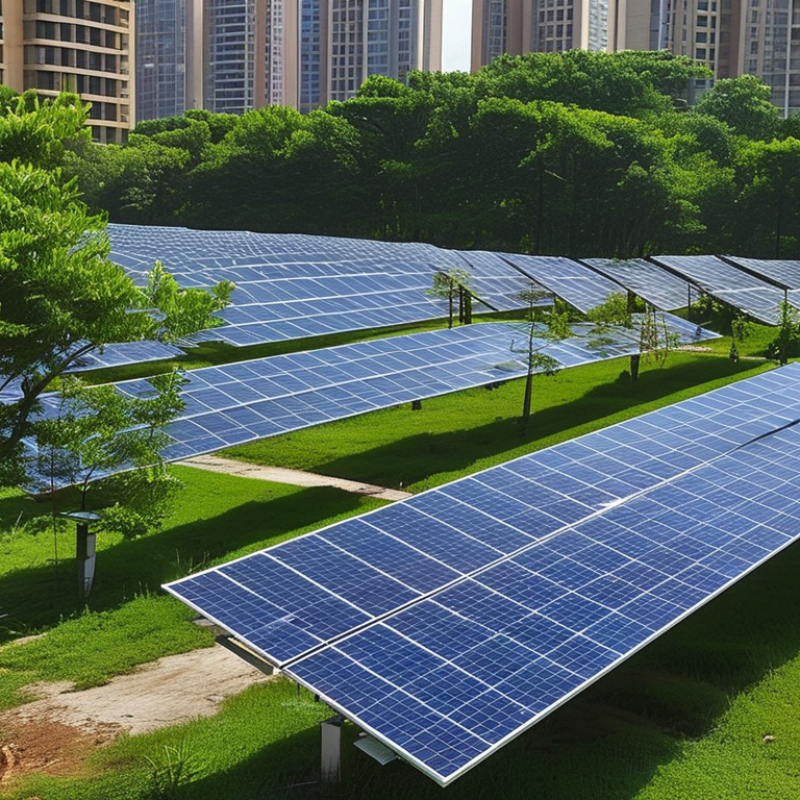
Solar lights thrive in areas with ample sunlight. Rooftops and open fields are prime spots. However, residential spaces often present unique challenges. For instance, trees may cast shadows, reducing efficiency. Choosing the ideal location is not always straightforward. Each site presents distinct factors to consider.

It’s also crucial to evaluate the surrounding landscape. Proximity to power sources can influence installation decisions. While community parks may seem ideal, nearby lights could interfere with solar output. Ultimately, stakeholder engagement helps in finding the best solutions. The goal is to harness solar energy effectively.

Best 5 Locations for Solar Light Installation?

Ideal Locations for Solar Light Installation

Solar light installations can significantly enhance outdoor spaces while promoting sustainability. But where are the best locations for these installations? Research indicates that areas receiving ample sunlight are ideal. Roofs, patios, and open yards generally provide the best exposure. According to a report from the U.S. Department of Energy, regions with at least five hours of sun per day can optimize solar energy output. This data suggests prioritizing these locations for maximum efficiency.

Another significant factor is accessibility. Solar lights should be installed in areas that are not obstructed by trees or buildings. A study by the National Renewable Energy Laboratory found that shading can reduce solar energy production by up to 80%. Therefore, choosing locations that remain unobstructed throughout the day is crucial. Well-lit pathways and driveways are excellent options, as they enhance safety while maximizing light usage.

Additionally, it's important to consider the potential for vandalism or theft in certain locations. Solar lights may be at risk in less monitored areas. This concern is often overlooked when selecting installation spots. An effective strategy involves balancing visibility with security. Careful location selection enhances not only the efficiency of solar lights but also their longevity.

Best 5 Locations for Solar Light Installation

Location Description Sunlight Exposure (hours/day) Ideal Installation Height (feet)
Residential Roofs Perfect for home solar lighting, generally unobstructed by trees or buildings. 5-7 10-15
Parks and Gardens Great for enhancing outdoor spaces while ensuring sufficient lighting at night. 6-8 8-12
Driveways and Pathways Important for safety; ideal for well-lit paths using solar lights. 5-6 6-10
Commercial Properties Can reduce electric costs and improve nighttime visibility for businesses. 6-7 12-18
Rural Areas Ideal for areas with little to no access to traditional electricity sources. 7-9 8-14

Factors to Consider When Choosing Locations

Choosing the right location for solar light installation requires careful consideration of several factors. The amount of sunlight received is crucial. According to the U.S. Department of Energy, areas with more sunlight, like the Southwestern states, can generate up to 25% more solar energy than less sunny regions. This data highlights the significance of geographic location and weather patterns in maximizing solar efficiency.

Accessibility is another important aspect. Solar lights should be easy to reach for maintenance and cleaning. Installing lights in hard-to-reach areas can lead to increased costs and logistical challenges. Moreover, environmental factors play a role. Locations near dense tree cover may not receive optimal sunlight, thus reducing the effectiveness of the solar lights. A study by the National Renewable Energy Laboratory indicates that shading can decrease energy production by up to 70%.

Safety is often underestimated. Placing solar lights in well-lit and visible areas can deter crime and improve overall security. Furthermore, it’s vital to consider local regulations and community guidelines before installation. These can vary widely and can influence the success of the solar lighting project. In summary, assessing sunlight exposure, accessibility, environmental conditions, and safety can significantly impact solar light performance and sustainability.

Benefits of Installing Solar Lights in Open Areas

Installing solar lights in open areas offers numerous benefits that make these installations a smart choice. They use renewable energy, which reduces electricity bills and lowers carbon footprints. Solar lights require minimal maintenance and provide a source of illumination without incurring additional costs.

Secure your garden path or driveway with solar lights. Imagine walking through a well-lit trail, as they illuminate the space beautifully. They create a cozy ambiance and enhance safety by ensuring visibility during nighttime. However, the effectiveness can sometimes be hindered by tree cover or other obstructions.

In addition, solar lights are portable. You can position them anywhere in your yard or patio. Their placement allows flexibility but can lead to uneven lighting if not planned carefully. Choosing the right location is crucial for optimal performance, impacting both function and aesthetic appeal. This challenge requires thoughtful consideration and planning before installation.

Recommended Locations for Residential Solar Light Setup

When considering a solar light installation for your home, the location can make a significant difference. A well-placed solar light not only enhances security but also elevates the aesthetic appeal of your property. Here are some recommended spots for effective residential solar light setups.

Patios and decks are excellent locations. These areas are often used for relaxation and entertaining. Placing solar lights here can create a warm atmosphere. Think about lights that illuminate pathways or seating areas. A downside is that shaded spots nearby may reduce efficiency. Be mindful of nearby trees and buildings that could obstruct sunlight.

Driveways and walkways are equally important. Properly lighting these areas enhances safety for you and your guests. Solar lights can guide foot traffic without the need for wiring. However, ensure they are spaced evenly for optimal visibility. A potential issue can arise if tall vehicles impede natural light on your solar panels.

Lastly, gardens and flower beds are ideal for aesthetic enhancement. Solar lights can highlight your favorite plants. The right placement can turn your garden into a nighttime oasis. Despite this, you may need to reposition lights occasionally based on plant growth and seasonal changes.

Choosing the right locations for your solar lights ensures you enjoy their benefits fully while maintaining a beautiful and safe outdoor space.

Assessment of Urban vs. Rural Solar Light Installation Sites

When evaluating solar light installation, urban areas offer distinct advantages and challenges compared to rural settings. Urban environments, with their high density, benefit from reduced installation costs per unit. A recent report indicated that the average cost of solar light installation is around $2.50 per watt in cities, as opposed to $3.00 per watt in rural areas. This cost efficiency is often tied to shorter distances for wiring and easier access for installation teams.

However, urban sites face obstacles like limited sunlight exposure. Tall buildings and narrow streets can cast shadows, reducing the effectiveness of solar lights. In contrast, rural areas usually have ample open space, leading to more optimal solar exposure. Yet, the upkeep in remote places can be complex. An analysis shows that maintenance costs can rise by 30% in rural setups due to accessibility issues.

Moreover, the energy needs differ vastly between urban and rural installations. Urban centers require more robust systems due to higher foot traffic and safety considerations. Conversely, rural areas often prioritize sustainability and energy independence. This disparity underscores the need for tailored solutions. Each site has unique benefits and challenges, compelling stakeholders to carefully assess their specific environments before installation.

FAQS

: What locations are best for installing solar lights?

: Ideal spots include roofs, patios, and open yards. These areas receive ample sunlight, maximizing energy output.

Why is accessibility important for solar light locations?

Accessibility ensures solar lights are not obstructed by trees or buildings, which can significantly reduce energy production.

How can shading affect solar light efficiency?

Shading can decrease solar energy production by up to 80%. Choosing unobstructed locations is crucial for optimal performance.

Are some areas riskier for solar light installation?

Yes, locations with a higher risk of vandalism or theft should be avoided to enhance the longevity of solar lights.

Can solar lights enhance home security?

Well-placed solar lights improve security and aesthetic appeal, particularly along pathways and driveways.

What challenges do urban areas face for solar light installation?

Urban environments often have limited sunlight exposure due to tall buildings, which can hinder effectiveness.

How do rural solar installations differ in maintenance costs?

Maintenance costs in rural settings can be higher, rising by 30% due to accessibility challenges.

What are recommended locations for residential solar lights?

Patios, decks, driveways, and gardens are recommended. These areas enhance safety and create visually appealing spaces.

Why is spacing important for solar lights in driveways?

Evenly spaced lights provide optimal visibility and guide foot traffic safely.

Will the growth of plants affect solar light placement?

Yes, garden lights may need repositioning based on plant growth and seasonal changes.

Conclusion

When considering what is the best location for solar light installation, several factors come into play to ensure optimal performance and efficiency. Ideal locations typically include areas with ample sunlight exposure, such as open yards or gardens, to maximize energy absorption. It's essential to consider the surrounding environment, including potential obstructions like trees or buildings that may cast shadows.

The benefits of installing solar lights in open areas are significant, including increased visibility and enhanced security. For residential setups, recommended locations often involve pathways, driveways, and garden areas that require illumination during the night. Furthermore, the assessment of urban versus rural sites highlights how urban environments may pose challenges due to light pollution and space constraints, while rural areas usually offer more favorable conditions for effective solar light installation. Ultimately, selecting the right spot is crucial to harnessing the full potential of solar lighting solutions.

Oliver

Oliver

Oliver is a seasoned marketing professional with a wealth of expertise in driving brand awareness and engagement. With a deep understanding of our company's product offerings, he consistently delivers high-quality content that enriches our professional blog. His insights not only shed light on......