Solar lights can brighten a garden path, mark a driveway, or illuminate a remote shed without trenching cables. But their real value depends on more than the glow on the first night. Buyers asking “what is the lifespan of solar lighting systems” need to consider the whole system: solar panel, battery, LED, controller, and weatherproof housing. Each part ages differently. A battery may need replacement while the panel and lamp still work. Small details matter, too. A shaded panel or a loose seal can shorten useful service life.
This guide compares 10 solar lighting systems and explains what affects their longevity, from battery chemistry to daily sunlight and seasonal maintenance. It also separates advertised LED hours from the years a complete fixture may perform reliably. Those numbers are not interchangeable. Dr. Sarah Kurtz, a photovoltaic reliability researcher, has studied how solar components degrade over time. A concise paraphrase of the lesson from that work is: “Component reliability and system performance are related, but they are not the same.” This is a paraphrase, not a verified verbatim quotation. That distinction deserves attention. Some products last longer than expected; others disappoint. The evidence is not always tidy. We’ll look at practical lifespan ranges, common failure points, and the signs that a light is ready for repair or replacement.
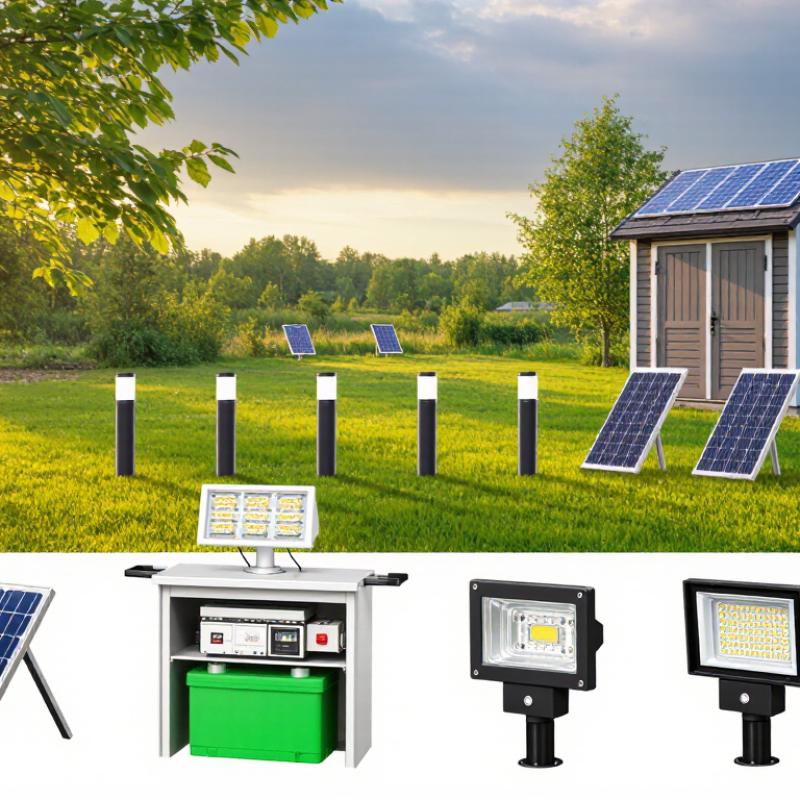
Solar lighting systems combine a photovoltaic panel, rechargeable battery, controller, and LED lamp. Daylight charges the battery; after dusk, stored energy powers the light. Some designs integrate the panel, while others use a cable to position it in stronger sun. “Solar” alone does not guarantee a full night of illumination. Runtime depends on sunlight, battery condition, temperature, and brightness settings.
A useful comparison of ten types includes pathway lights, spotlights, floodlights, wall lights, motion-activated security lights, string lights, lanterns, deck lights, post lights, and step lights. Compare brightness and beam spread, not just advertised output. Check runtime after cloudy weather, battery replacement options, weather resistance, installation needs, and sensor settings. A narrow path may suit low-level markers, while a driveway needs broader coverage. Long-lasting can mean nightly hours per charge or years before parts need service. Not the same thing. Rankings also depend on the site; a shaded garden can change which option performs best.
Tips: Place panels in direct sun and test the lights after dusk. Clear away dust and leaves regularly. For long winter nights, look for replaceable batteries and adjustable brightness. Small detail, big difference.
Solar lighting works best when the fixture matches the task. Pathway stakes usually provide a soft pool of light, often around 5–100 lumens per fixture. Wall-mounted lights can brighten a doorway, while motion-activated security lights may reach several hundred lumens. Solar floodlights suit driveways or wide yards, but need a clear view of the sun. Small solar string lights add atmosphere, not dependable task lighting.
For smaller spaces, solar lanterns are portable and easy to hang. Post-cap lights mark fences and garden edges, though their output is modest. Step lights sit low on stairs and reduce glare. Shed lights often include a separate panel, useful when the roof stays shaded. Solar pool or pond lights create a visible accent; check that the product is designed for wet locations. Check the shade.
Installation varies more than the product photos suggest. Stakes push into soil quickly, while wall fixtures need secure mounting and a sunny panel position. Separate panels also require a cable route that will not become a trip hazard. Compare brightness claims carefully: beam angle and panel exposure affect real results. Battery life varies with weather, use, and maintenance, so a bright first week proves little. A little planning helps, but solar lights can still dim during long cloudy stretches.
NREL’s 2016 Compendium of Photovoltaic Degradation Rates reports a median solar-module degradation rate of about 0.5% per year. At that pace, a panel would retain roughly 95% of its original output after ten years and 90% after twenty. Not a guarantee. The compendium draws on varied studies, so actual results depend on module design, climate, and installation conditions. NREL’s PV Lifetime Project likewise examines how field conditions affect long-term performance; a median is a useful benchmark, not a prediction for every light.
For a solar lighting system, panel aging is only part of the story. A dim path light may have a healthy panel but a tired battery, dusty surface, loose connection, or several weeks of poor sun exposure. Battery capacity and temperature can affect nightly runtime more sharply than gradual panel decline. Check output on a clear day, clean the panel, and compare runtime across several nights before blaming age alone. Small test, useful clue. A practical evaluation should record installation date, seasonal shading, battery changes, and approximate hours of light; otherwise, “it got dimmer” is hard to diagnose.
The U.S. Department of Energy notes that some LEDs last up to 50,000 hours. That figure describes the light source, not necessarily the whole solar lighting system. At eight hours of use each night, 50,000 hours equals about 17 years on paper. But real outdoor conditions complicate the math. Heat, moisture, dirt on the panel, and repeated battery charging can shorten useful service life. Not forever.
LED lifetime usually means gradual light loss, rather than a lamp suddenly going dark; ratings and test conditions matter. For a path light, watch for dimming after sunset or shorter winter run time. A cloudy stretch can leave its battery undercharged. Keep the panel clear, place it in direct sun, and replace a weak battery when the design allows. That helps distinguish an aging LED from a tired power supply. I’d treat 50,000 hours as a useful reference, not a promise for every fixture.
Choosing among the 10 best solar lighting systems means looking beyond brightness. Battery chemistry, replacement access, and local weather shape long-term value. NREL’s 2013 review of photovoltaic field studies found a median module degradation rate near 0.5% per year. That figure describes panels, not batteries. Battery performance depends on chemistry, charge cycles, and temperature, so check its rated cycle life and whether the pack is replaceable. A light that dims before dawn may need a battery, not a new panel. Small details matter.
Tips: Wipe dust from panels monthly, trim nearby branches, and check seals after heavy rain. In cold months, shorter daylight can reduce charging; in hot locations, shaded battery housings may slow heat-related aging. Keep spare batteries dry and match their specified chemistry and voltage.
Climate affects the whole system. Salt air can corrode exposed connectors, while repeated freezing and thawing can stress seals and housings. Choose fixtures rated for outdoor exposure, then inspect wiring and mounting points each season. Avoid assuming a “maintenance-free” label means no checks. I would also track overnight runtime for a few weeks; it is a rough measure, but often reveals decline before a fixture fails completely.
| Solar Lighting System | Typical LED Service Life | Typical Battery Life | Replacement and Maintenance | Climate and Site Impacts |
|---|---|---|---|---|
| Pathway and stake lights | About 3–10 years; low-cost units may have shorter service lives. | About 1–3 years for common rechargeable cells. | Replace the battery when runtime drops noticeably. Clean the panel and remove dirt, leaves, and plant growth regularly. | Shade, short winter days, and heavy snow reduce charging. Freeze-thaw cycles and standing water can damage poorly sealed units. |
| Solar wall lights | About 5–10 years, depending on LED and enclosure quality. | About 2–5 years; frequent nightly operation can shorten this range. | Clean the panel and sensor area. Check seals and mounting hardware; replace batteries only if the design allows it. | Choose a sunny, unobstructed mounting location. Coastal salt, persistent humidity, and extreme heat can accelerate corrosion or battery wear. |
| Motion-activated security lights | About 5–10 years. | About 2–5 years, with lifespan affected by activation frequency and battery temperature. | Keep the panel clean, test the motion sensor, and check aiming and connections. Frequent false triggers increase energy use. | Cold weather can reduce available battery capacity. Wind-blown debris, storms, and shade can lower charging or trigger unwanted operation. |
| Solar floodlights | About 5–10 years for the LED assembly. | About 2–5 years; high brightness and long operating periods increase battery cycling. | Clean the panel, inspect the cable and enclosure, and keep the light pointed where needed to avoid unnecessary runtime. | Hot climates can age batteries faster, while cloudy seasons limit charging. Secure mounting helps prevent damage from strong winds. |
| Solar garden spotlights | About 5–10 years. | About 1–3 years for small integrated batteries. | Remove dust from the panel and reposition lights as plants grow. Integrated battery designs may require replacing the whole unit. | Dense foliage and seasonal shade can prevent a full charge. Wet soil and frost may affect ground stakes and electrical seals. |
| Solar string lights | About 2–8 years; exposed wiring or connectors may fail before LEDs do. | About 1–3 years for typical small rechargeable batteries. | Inspect the cable and connectors, store removable sets during severe weather, and clean the panel. Replace damaged strands or batteries where possible. | Direct sun helps charging but can age plastic over time. Heavy rain, snow, ice, and strong wind increase wear; check the product's outdoor rating. |
| Solar post-cap lights | About 5–10 years. | About 2–5 years, depending on battery type and heat exposure. | Clean the panel, check that the cap remains secure, and replace batteries if accessible. Inspect seals after severe weather. | Dark post locations or nearby trees reduce charging. Heat trapped inside the cap can shorten battery life in hot climates. |
| Solar street or roadway lights | About 10–20 years for quality LED modules under suitable operating conditions. | About 3–8 years; larger systems may use replaceable battery packs. | Schedule panel cleaning and inspect wiring, mounts, controls, and battery condition. Battery replacement is a major lifecycle maintenance item. | Design must account for local sun hours, winter conditions, heat, dust, and wind. Salt air and flooding require suitable corrosion and water protection. |
| Solar area and parking-lot lights | About 10–20 years for the LED module. | About 3–8 years, with lifespan affected by depth of discharge and temperature. | Clean panels, inspect poles and fasteners, and monitor battery performance. Maintain clear access for servicing elevated equipment. | Panel orientation and local shading are critical. High heat can accelerate battery aging; snow cover and dust reduce energy production. |
| Solar sign and information lights | About 5–15 years, depending on the LED design and operating schedule. | About 2–6 years for many small-to-medium systems. | Keep the panel unobstructed, check timers or photocells, and inspect wiring and enclosure seals. Replace the battery when overnight operation declines. | Long winter nights increase energy demand. Shade, dust, snow, and extreme temperatures can reduce charging or available runtime. |
It combines a photovoltaic panel, rechargeable battery, controller, and LED lamp. Daylight charges the battery; stored energy powers the lamp after dusk.
Options include pathway lights, spotlights, floodlights, wall lights, motion-activated security lights, string lights, lanterns, deck lights, post lights, and step lights.
Compare brightness and beam spread, not just advertised output. Check runtime, battery replacement options, weather resistance, installation needs, and sensor settings.
Low-level pathway markers can suit a narrow path. A driveway usually needs broader coverage. The site matters, though; shade can change what works best.
Runtime depends on sunlight, battery condition, temperature, and brightness settings. A cloudy day may leave the battery undercharged, so full-night lighting is not guaranteed.
No. Some LEDs are rated for up to 50,000 hours, or about 17 years at eight hours nightly. That estimate feels neat, maybe too neat. It describes the light source, not the whole system.
LEDs often lose brightness gradually. Dirt, moisture, heat, and repeated battery charging can also affect performance. Shorter winter runtime may point to an undercharged battery.
Place the panel in direct sun and clear away dust and leaves. Test the light after dusk. For long winter nights, consider replaceable batteries and adjustable brightness. Small detail, big difference.
Solar lighting systems use photovoltaic panels to convert sunlight into electricity, which is stored in a battery and used to power lights after dark. The best option depends on where it will be used, how much brightness is needed, and how easy it is to install. Comparing ten common types—from pathway and garden lights to security, flood, and street lighting—helps match a system’s output and setup to its purpose. When asking what is the lifespan of solar lighting systems, it is important to consider each component rather than expect one fixed service life.
Solar panels gradually lose efficiency; NREL reports median photovoltaic degradation of about 0.5% per year. LED bulbs can last much longer, with some rated for up to 50,000 hours, according to the U.S. Department of Energy. Batteries may need replacement sooner, depending on their type and use. Regular cleaning and timely battery replacement can help, while shade, extreme temperatures, and prolonged cloudy weather may reduce performance and shorten overall system life.

GKE Power