In recent years, the demand for solar lights has surged, especially for security purposes. According to the U.S. Department of Energy, solar energy installations have increased by over 167% since 2016. As homeowners seek eco-friendly solutions, the importance of figuring out how to select solar lights for security purposes becomes crucial. Efficient solar lights not only provide illumination but also deter potential intruders.
When choosing solar lights, consider brightness, battery life, and motion detection capabilities. A report from the Solar Energy Industries Association states that well-lit areas can reduce crime rates by up to 20%. While many products claim to offer security features, not all deliver reliable performance. Understanding specific needs and reviewing product specifications is essential for making the right choice.
The market offers various options, each with unique strengths and weaknesses. Some lights are solar-powered but provide limited brightness for larger areas. Others may drain batteries too quickly. Users must weigh these factors carefully. Selecting the right solar light is not just about cost; it’s about peace of mind.
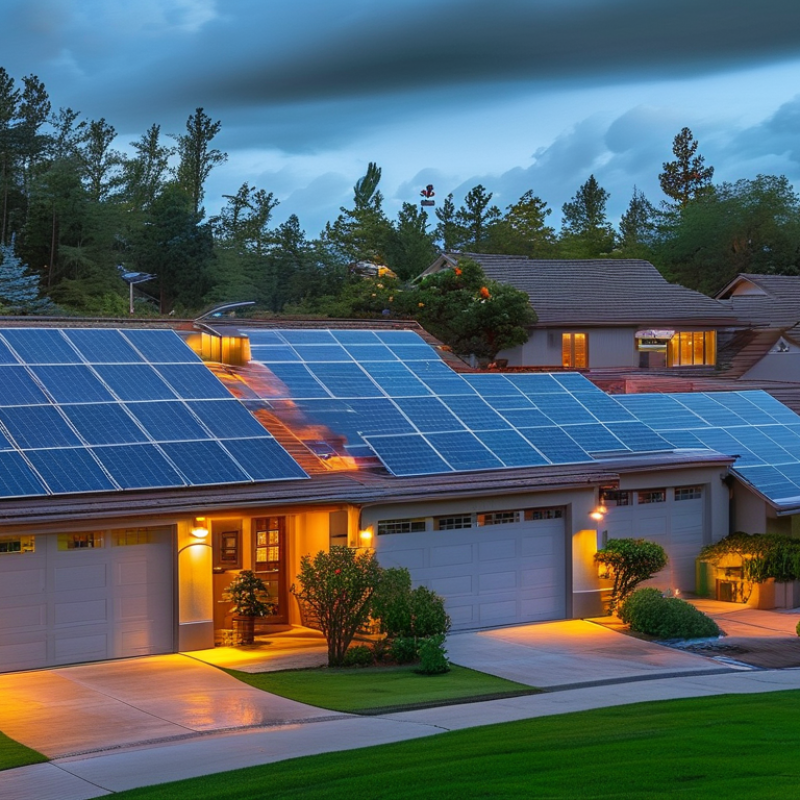
When choosing solar lights for security, several critical factors come into play. Lumens, the measure of brightness, is vital. For effective security lighting, aim for at least 800 lumens. This brightness can deter intruders and improve visibility. Different installations may require varying levels of brightness, so assess your specific needs carefully.
Battery life is another significant consideration. Look for solar lights that offer at least 8 to 10 hours of illumination after a full charge. This quantity ensures your property remains lit through the night. Also, consider the type of solar panel used; monocrystalline panels are generally more efficient than polycrystalline ones. They perform better in low-light conditions.
Weather resistance is essential for outdoor devices. Solar lights that are rated IP65 or higher can withstand harsh weather conditions. This durability ensures longevity and reliability when it matters most. According to a report from the Solar Energy Industries Association, the market for solar lighting has grown by 25% annually. Such statistics highlight the growing trust in solar technology for security applications.
When choosing solar security lights in 2026, understanding the various types available is crucial. Solar flood lights are popular for their wide illumination. They can brighten large areas, making them ideal for driveways or backyards. Look for models with motion sensors. They activate when someone approaches, enhancing security and conserving energy.
Another option is solar wall lights. These lights are compact and mount easily on fences or walls. They provide light in specific areas, which can deter intruders. Many designs come with dusk-to-dawn sensors. This feature allows lights to turn on automatically at night. However, their effectiveness depends on sunlight exposure during the day.
Solar spotlights are also a choice. They focus light on specific features, like trees or signs. However, they may require careful positioning to avoid shadows. It's important to consider battery life. Some models last longer than others, which affects usability during cloudy days. Remember, not all solar lights are equal in performance and durability. Prioritize reliability and user feedback when making your selection.
When considering security lighting, brightness is key. The measure of brightness is often expressed in lumens. A higher lumen count means brighter light, which can deter intruders more effectively. For outdoor security, lights should ideally offer 700 lumens or more. This level generally provides sufficient visibility to cover larger areas. However, some regions may require even higher lumens for optimal results.
Tips: When selecting lights, think about your specific needs. Consider the areas you want to illuminate. More lumens may not always mean better. Sometimes, a softer light dispersed over a wider area is preferable. Overly bright lights can create harsh shadows, which may obscure potential threats.
Choosing the right type of lighting is crucial, too. Motion sensor lights often help save energy while providing necessary illumination. They turn on only when movement is detected, offering a layer of security. Yet, improper placement could lead to false alarms. Find a balance between responsiveness and reliability to avoid unnecessary disturbances. Testing different placements can reveal what works best for your property.
| Model | Brightness (Lumens) | Battery Life (Hours) | Detection Range (ft) | Weather Resistance Rating |
|---|---|---|---|---|
| Model A | 800 | 12 | 30 | IP65 |
| Model B | 1000 | 10 | 40 | IP67 |
| Model C | 600 | 15 | 25 | IP66 |
| Model D | 1200 | 8 | 50 | IP68 |
| Model E | 500 | 20 | 20 | IP65 |
When choosing solar lights for security, battery life and solar panel efficiency are crucial factors. A high-quality battery ensures that your lights stay on through the night. Some batteries may only last for a few hours, while others can provide illumination for up to 12 hours. Therefore, checking the battery specifications is vital. Look for lithium-ion batteries, as they tend to outperform traditional lead-acid models.
Solar panel efficiency also plays a significant role. Not all solar panels capture sunlight equally. Typical conversion rates vary, with some panels only reaching around 15% efficiency. Others can exceed 20%. Higher efficiency means quicker charging and better performance in low-light conditions. It’s important to consider the location of your lights as well. If they are shaded by trees or buildings, even a high-efficiency panel will struggle.
Balance is key in your choice of solar lights. A great battery paired with an efficient panel makes for a reliable setup. However, personal use and location can affect performance. Evaluating your specific needs might reveal that certain configurations work best for you. Your environment directly impacts battery life and solar efficiency, so think critically about your choices.
Choosing the right solar security lights is essential for enhancing safety at home. In 2026, several top brands stand out for their efficiency and reliability. According to the Solar Energy Industries Association (SEIA), the solar lighting market is expected to grow by 25% yearly due to increased demand for renewable energy solutions. This growth reflects a shift in homeowner priorities, with a focus on sustainability and cost-effective solutions.
When evaluating solar security lights, consider factors like brightness, battery life, and motion detection range. Aim for models that offer at least 1000 lumens for optimal visibility. This level of brightness can deter potential intruders effectively. High-efficiency solar panels that can operate even on cloudy days are also crucial. Particularly, choose lights that come with features like adjustable brightness and easy installation processes.
Tips: Always check for customer reviews. They provide insights into real-world performance. Also, think about the coverage area of your chosen lights. Overlapping light beams can eliminate dark spots around your property. Keep in mind that while solar lights are effective, inconsistency in sunlight may affect their performance. Regular maintenance and positioning adjustments can keep them functioning optimally over time.
: Aim for at least 800 lumens for effective security lighting.
Look for lights that provide at least 8 to 10 hours of illumination.
Monocrystalline panels are generally more efficient than polycrystalline ones.
Choose lights rated IP65 or higher for better durability in harsh conditions.
Solar flood lights are best for wide illumination and brightening large spaces.
Yes, motion sensors can activate lights when someone approaches, enhancing security.
They are compact, easy to mount, and can deter intruders with specific lighting.
They automatically turn lights on at night, depending on sunlight exposure during the day.
Careful positioning is needed to avoid shadows on the illuminated area.
Not all solar lights perform equally; user feedback helps identify reliable options.
When considering how to select solar lights for security purposes, it is essential to evaluate various factors that influence their effectiveness. Key considerations include understanding the different types of solar security lights available, which can offer unique features tailored for specific needs. Brightness levels measured in lumens are critical for ensuring adequate illumination, while the battery life and solar panel efficiency determine how reliable and long-lasting the lights will be.
Additionally, researching and comparing brands and models available in 2026 can guide consumers towards the best options for their security needs. By focusing on these elements—brightness, battery efficiency, and type of light—you can confidently choose solar lights that enhance safety and visibility in your space.

GKE Power