Solar powered lighting systems have gained immense popularity in recent years. As energy costs rise, more people are searching for sustainable solutions. This raises a compelling question: what are the benefits of solar powered lighting systems?
One significant advantage is energy efficiency. These systems harness sunlight to produce electricity. This reduces reliance on traditional power sources. They can lead to lower utility bills and long-term savings. Additionally, solar lights are low-maintenance, requiring minimal upkeep compared to conventional lighting.
A notable feature of solar lighting is its flexibility. These systems can be installed in various locations without the constraints of wiring. Homeowners and businesses benefit from versatile design options. However, it's essential to consider initial installation costs and potential weather limitations. Exploring both advantages and challenges helps potential users make informed choices. Overall, solar powered lighting offers a promising path toward energy independence and sustainability.
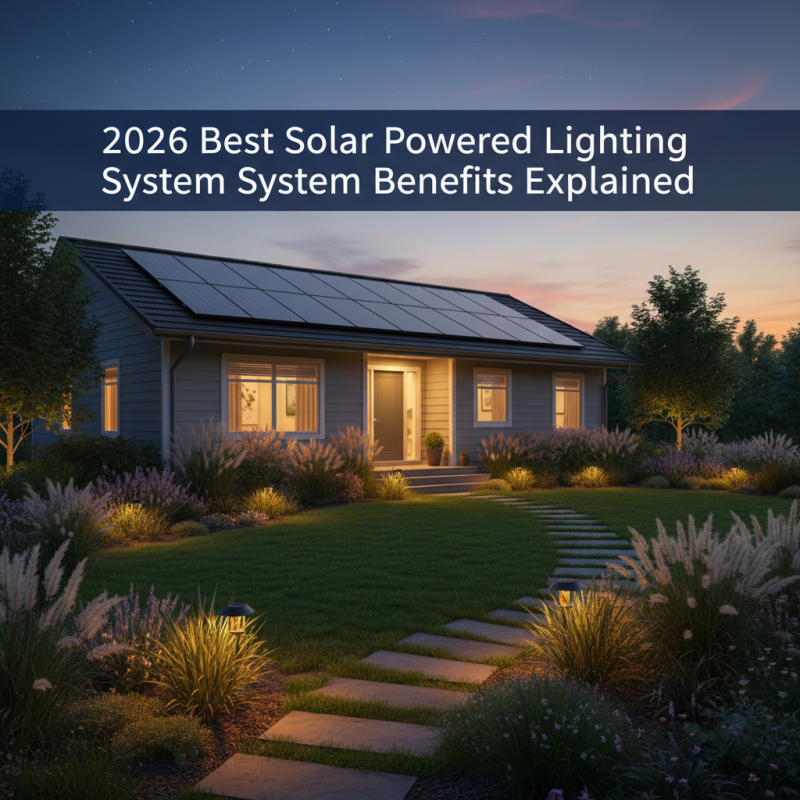
Benefits of Solar Powered Lighting Systems in 2026
In 2026, solar powered lighting systems have become essential for various applications. Their benefits extend beyond mere illumination. According to recent industry reports, installations of solar lighting systems have increased by over 30% in the past two years. This growth illustrates the rising popularity of sustainable energy solutions.
Cost savings are a significant advantage. Homeowners and businesses can reduce electricity bills significantly. A study indicated that solar lighting can cut outdoor lighting costs by up to 70%. This is particularly appealing as energy prices continue to fluctuate. Moreover, these systems require minimal maintenance, reducing long-term expenses.
Environmental impact also plays a crucial role. Using solar lighting can reduce carbon footprints dramatically. Reports suggest that switching to solar energy can lower greenhouse gas emissions by nearly 4 tons per year per household. However, there are still challenges. Initial setup costs can be high, and installation must be carefully planned to maximize sunlight exposure. Users should also consider the local climate, as less sunlight can affect efficiency. Balancing these factors makes choosing the right solar lighting system complex yet rewarding.
Environmental Impact of Solar Lighting Solutions
Solar lighting solutions present a significant opportunity to reduce environmental impact. These systems harness sunlight to power outdoor lighting, minimizing reliance on fossil fuels. The transition to solar energy can lead to lower carbon emissions and a smaller ecological footprint. Each solar light reduces energy consumption, contributing to a cleaner atmosphere.
Adopting solar lighting can seem daunting. However, a few tips can make the process smoother. Begin by assessing your lighting needs. Consider the areas that require illumination, such as pathways or garden spots. Remember, not all solar lights are created equal. Some may lack sufficient brightness or durability. Research before committing to a system.
Maintenance is another crucial aspect. Solar lights need occasional cleaning. Dust and debris can hinder their performance. Regular checks ensure longevity. While solar solutions are generally reliable, understanding their limitations is essential. Weather conditions or insufficient sunlight can affect charging capabilities, leading to variability in lighting performance.
2026 Best Solar Powered Lighting System Benefits Explained - Environmental Impact of Solar Lighting Solutions
| Benefit |
Description |
Environmental Impact |
Cost Savings |
Lifespan |
| Reduced Carbon Emissions |
Solar lighting uses renewable energy, reducing reliance on fossil fuels. |
Significantly lowers greenhouse gas emissions. |
Lower electricity bills contribute to overall savings. |
25+ years with proper maintenance. |
| Energy Independence |
Harnessing solar energy allows for reduced dependency on energy grids. |
Promotes sustainable energy practices. |
Eliminates costs associated with grid reliance. |
System lifetime can be extended with battery upgrades. |
| Low Maintenance |
Solar lights generally require less maintenance than traditional lighting solutions. |
Fewer components lead to less waste over time. |
Saves on labor costs for upkeep. |
Durable components last longer with minimal intervention. |
| Eco-Friendly Materials |
Solar lights are often made from recyclable materials. |
Reduces impact on landfills and promotes recycling. |
Long-term savings on materials and disposal costs. |
Long-lasting lifespan minimizes resource use. |
Cost Savings and Energy Efficiency of Solar Powered Systems
Solar powered lighting systems are gaining traction due to their impressive cost savings and energy efficiency. According to the U.S. Department of Energy, using solar lighting can reduce energy expenses by up to 75%. This is particularly significant for commercial properties that rely heavily on outdoor lighting. By harnessing sunlight, these systems can effectively lower utility bills over time.
Maintenance costs also decrease with solar systems. Traditional lighting requires regular bulb replacements and upkeep. In contrast, solar lights often utilize LED technology, which has a lifespan of up to 25,000 hours or more. This longevity translates to fewer replacements and reduced labor costs.
Tip: Consider installing solar lighting in areas with high sunlight exposure to maximize efficiency.
Moreover, solar lighting is a sustainable choice. Reports indicate that the global market for solar lighting is expected to grow by over 20% annually. This shift towards renewable energy reflects an increasing awareness of environmental responsibility. However, it's important to evaluate the site-specific conditions, as some areas may have less sunlight, affecting efficiency.
Tip: Analyze seasonal changes in sunlight to optimize your solar lighting system’s performance.
Though solar systems have upfront costs, these are often offset by the long-term savings. A careful assessment of your energy needs can guide your investment in solar technology.
Versatility and Applications of Solar Lighting Technology
Solar lighting technology offers remarkable versatility for a wide range of applications. From residential use to commercial and municipal projects, the adoption of solar-powered lights is on the rise. According to a recent report by the International Renewable Energy Agency (IRENA), the solar lighting market is projected to grow by over 25% annually, highlighting its increasing relevance. These systems harness sunlight, providing illumination in areas without reliable electricity.
Moreover, solar lights can serve various functions, from street lighting to garden lamps. They are crucial in disaster relief scenarios, allowing for temporary lighting in affected regions. A study by the Global Lighting Association noted that solar lighting can reduce energy costs by up to 80% compared to traditional lighting systems. This makes it an appealing option for budget-conscious municipalities.
Challenges still exist. The efficiency of solar lights can be hindered by cloudy weather or prolonged winter seasons. Additionally, initial installation costs, while decreasing, can still deter some investments. Continuous advancements in battery technology aim to address these concerns, promising enhanced performance and reliability. Such progress shows how solar lighting can adapt to different needs and environments, confirming its potential.
Benefits of Solar Powered Lighting Systems in 2026
Future Trends in Solar Powered Lighting Innovations
The solar-powered lighting market is evolving rapidly. Recent reports indicate that by 2026, the market for solar lighting systems is expected to grow significantly. Innovations in solar technology are driving this growth. Efficiency improvements in solar panels can now provide brighter lighting with less energy. This advancement allows for smaller, more versatile lighting solutions.
As cities seek sustainable options, solar lights become increasingly popular. They are cost-effective and reduce reliance on traditional power sources. In fact, the International Energy Agency reports that solar energy use in urban areas could reduce energy costs by 70% by 2025. However, some concerns remain regarding initial installation costs and maintenance. Ensuring reliable performance year-round is a challenge that still needs addressing.
Future trends include smarter systems using IoT technology. These systems can adjust brightness based on natural light availability. Still, the integration of these technologies can present complexities. Collecting data on performance and user habits is crucial. Not all regions have the same sunlight exposure, which may affect performance. As innovation continues, addressing these challenges will be key to enhancing the reliability of solar-powered lighting.
Conclusion
The article "2026 Best Solar Powered Lighting System Benefits Explained" delves into the numerous advantages of solar powered lighting systems, addressing the question of what are the benefits of solar powered lighting systems in 2026. These systems significantly reduce environmental impact by utilizing renewable energy, thus decreasing carbon footprints. They are also designed to boost energy efficiency and cost savings, as they rely on sunlight, which can dramatically lower electricity bills over time.
Moreover, the versatility of solar lighting technology allows for various applications, from residential use to commercial settings and public spaces. Looking ahead, the article highlights future trends in solar powered lighting innovations, emphasizing advances in technology that promise to enhance performance and accessibility, making these systems an increasingly popular choice for sustainable lighting solutions.

 GKE Power