As the sun sets, many wonder, "how do solar lights work at night?" Understanding this technology can enhance outdoor spaces. Solar lights rely on components like solar panels, batteries, and sensors for operation after dark. Esteemed industry expert, Dr. Emily Carter, states, "Solar lights charge during the day and illuminate at night, making them efficient and eco-friendly."
When exposed to sunlight, the solar panels convert energy. This energy gets stored in batteries for nighttime use. The included sensors detect darkness, triggering the light to turn on. However, the effectiveness can vary based on location and sunlight exposure. Placing lights in shaded areas may lead to poor performance, reminding us that proper placement is crucial.
Many people overlook the importance of maintenance. Dust on solar panels can hinder functionality. Regular cleaning helps maximize energy absorption. Additionally, consider the battery’s lifespan; replacing it might become necessary over time. These small adjustments can lead to significant improvements. Understanding how solar lights work at night enhances efficiency for brighter, more reliable outdoor lighting.
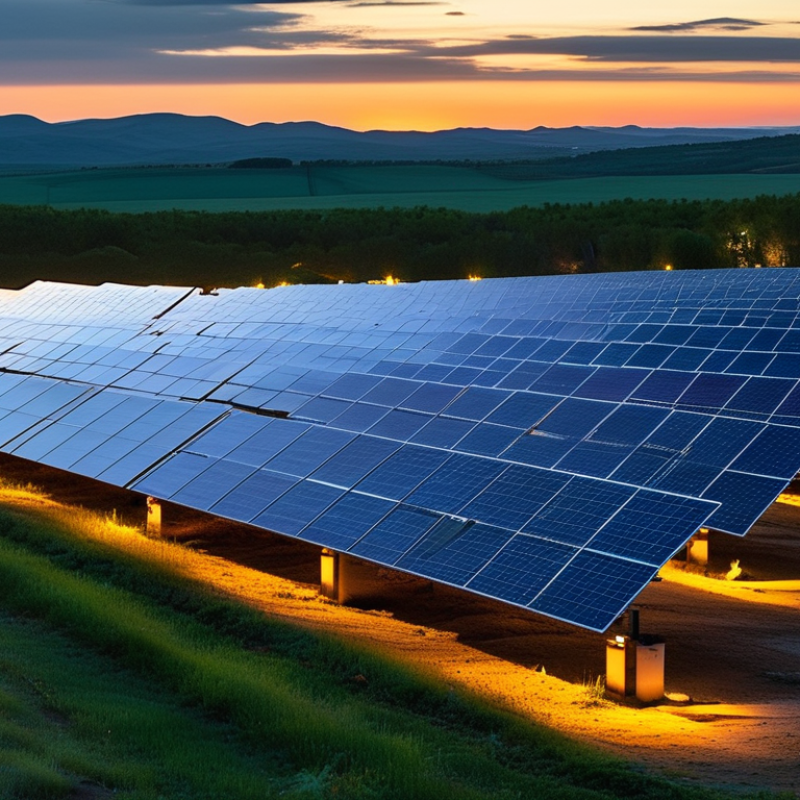
Solar lights operate at night through a simple yet clever mechanism that relies on solar energy. During the day, solar panels absorb sunlight, converting it into electrical energy. This energy is stored in rechargeable batteries. Understanding this principle is crucial for grasping how these lights function after the sun sets.
As night falls, the stored energy powers the LED lights. An integrated light sensor detects the darkness and triggers the lights to turn on automatically. This creates a convenient and eco-friendly lighting solution for outdoor spaces. However, the effectiveness largely depends on sunny days for optimal solar absorption. In cloudy or rainy conditions, the lights may not charge fully, leading to dim or short illumination periods. Users should consider location; placing solar lights in shaded areas can significantly reduce their performance.
Maintenance is essential for prolonged use. Regularly check for dirt or debris on the solar panel, as obstructions hinder charging efficiency. The lifespan of the rechargeable batteries decreases over time, affecting the overall functionality of the lights. Monitoring these aspects can enhance the reliability of solar lights, ensuring they fulfill their purpose effectively.
Solar lights are gaining popularity for outdoor lighting. They operate on a simple yet effective mechanism that involves several key components. Understanding these elements is vital for grasping how solar lights function effectively at night.
The most crucial component is the solar panel. It converts sunlight into electricity during the day. According to a report by the Solar Energy Industries Association, solar panels can achieve efficiency rates up to 22%. This means they can store energy effectively for nighttime use. The average solar panel can generate about 100 watts during peak sunlight hours, which is typically enough to power several LED lights throughout the night.
Another essential part is the battery. Solar lights commonly use lithium-ion or lead-acid batteries. They store the energy collected during daylight hours. A well-known study suggests that lithium-ion batteries have a lifespan of around 2,000 charging cycles. This longevity provides reliable power for years. Additionally, the light-emitting diode (LED) bulbs consume very little energy, making solar lights efficient. However, not all LEDs are created equal. The quality of the LED impacts brightness and duration. Users may find variances in performance based on different manufacturing standards.
Reflectors are often overlooked but play a vital role. They enhance the light output by directing the light. Efficient reflectors can increase the perceived brightness by up to 30%. Yet, low-quality reflectors may cause uneven light distribution. Attention to these details is essential for optimal performance.
Solar lights operate ingeniously by harnessing sunlight during the day. The process begins with solar panels, which convert sunlight into electrical energy. These panels are typically made of silicon cells. When sunlight hits these cells, it excites electrons, creating electricity. This energy is stored in batteries for use at night.
During the day, solar lights absorb sunlight. However, the amount of light the panels can capture varies. Factors like weather and location significantly impact performance. Overcast days can limit charging, leading to dimmer lights at night. Users should be aware that prolonged cloudy spells might reduce efficiency. Regular cleaning of solar panels can also improve their energy absorption.
At night, the stored energy powers LED lights, providing illumination. The transition from day to night triggers an automatic sensor. This sensor ensures that the lights activate at dusk. However, poorly positioned solar lights might not get enough sunlight. This can lead to inadequate lighting during the night. Understanding the workings of solar panels helps users maximize their effectiveness. Adjusting their positions or cleaning them can significantly enhance their performance.
Solar lights are increasingly popular for outdoor illumination, thanks to their efficiency and sustainability. A critical component of solar lights is their batteries. During the day, these batteries charge using sunlight. A good battery can store energy effectively. However, not all batteries perform equally well in cold or damp conditions.
Battery selection impacts how well solar lights work at night. Some batteries retain charge better than others. Lithium-ion batteries, for instance, can hold more energy and last longer. Unfortunately, cheaper batteries may drain quicker. This can lead to dim lighting or total darkness before the night ends.
Weather also plays a role in battery performance. Rainy or cloudy days limit sunlight exposure. Thus, batteries may not charge fully. Users need to monitor their solar lights, especially in changing seasons. Reflecting on battery care can improve longevity. Regularly inspecting connections and keeping panels clean will enhance efficiency.
Solar lights are popular for outdoor use, providing illumination without the need for wired power sources. Essential to their function is the light sensor, a crucial component. This sensor detects ambient light levels and activates the solar lights at dusk.
When daylight fades, the light sensor responds. It triggers the solar lights to turn on automatically. This transition is seamless and energy-efficient. The sensor's sensitivity can vary, leading to different performance outcomes. Sometimes, it may not activate due to errors in sensing low light, leaving areas unlit.
Understanding the workings of light sensors offers insight into solar lights' reliability. Calibration of these sensors is important. Factors like dirt on the sensor can impede its ability. Regular maintenance is vital for optimal performance. An occasional check can help ensure they function properly at night, illuminating spaces safely.
: The solar panel is the most crucial component. It converts sunlight into electricity.
The battery stores energy collected during daylight hours for nighttime use.
Most solar lights use lithium-ion or lead-acid batteries.
Rainy or cloudy days can limit sunlight exposure, affecting battery charge levels.
No, some batteries do not perform well in cold or damp conditions.
Reflectors enhance light output and can increase brightness by up to 30%.
The quality of LEDs affects brightness and duration; not all are created equal.
They can last around 2,000 charging cycles, providing reliable power for years.
Cheaper batteries may drain quickly, leading to dim lights or no illumination.
Regularly inspect connections and keep panels clean for better performance.
Solar lights are innovative devices that harness sunlight during the day to provide illumination at night. Understanding how do solar lights work at night involves several key components and principles. Solar panels absorb sunlight, converting it into electrical energy, which is stored in batteries for use after dark. The batteries play a crucial role by retaining this energy for nighttime illumination.
Additionally, light sensors are integral to the operation of solar lights. They detect ambient light levels and activate the lights automatically as darkness falls, ensuring that the area is adequately illuminated without manual intervention. By combining these elements—solar panels, batteries, and light sensors—solar lights effectively operate, providing an efficient and sustainable lighting solution for various outdoor spaces.

GKE Power