Why Choosing Solar Lighting for Your Outdoor Spaces Matters?

Time:2026-07-18 Author:Henry
0%

Choosing solar lighting for your outdoor spaces is increasingly important. It provides not only sustainability but also enhances the aesthetics of your environment. Many overlook how to choose solar lighting for outdoor spaces, which can lead to poor decisions.

Solar lights come in various forms, including path lights, floodlights, and decorative options. Each type serves different purposes, and understanding these is crucial. For instance, path lights guide your way, while floodlights offer security. Consider the layout of your outdoor area when deciding what type suits your needs best.

Moreover, quality matters. Not all solar lights operate efficiently. Choosing high-quality products ensures longevity and reliable performance. Look for features like adjustable brightness and weather resistance. Reflect on your choices and research thoroughly. Not every brand is trustworthy, and it's essential to make informed decisions to truly benefit from solar lighting in your outdoor spaces.
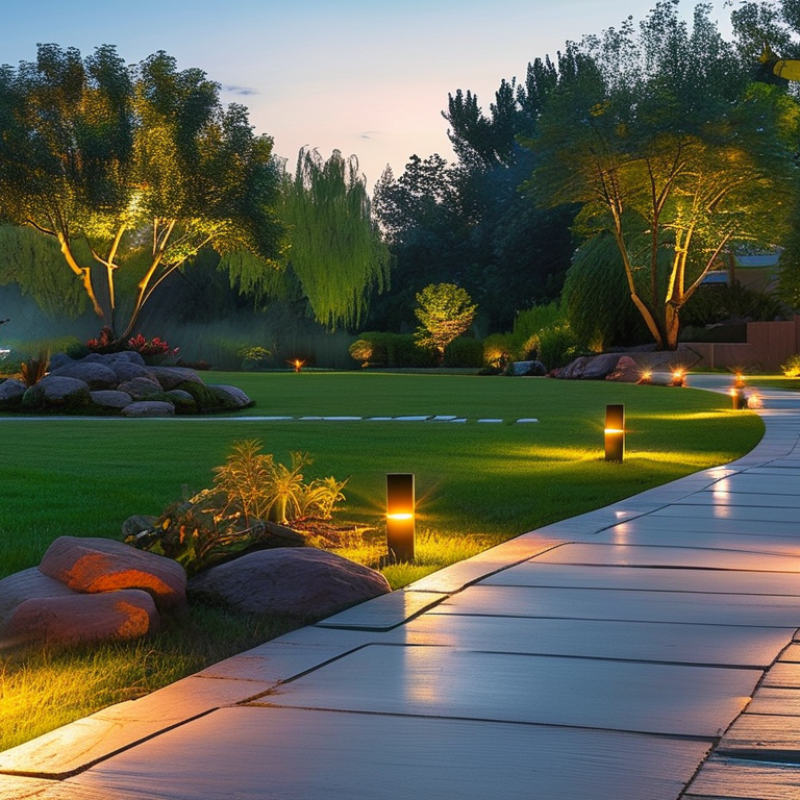
Why Choosing Solar Lighting for Your Outdoor Spaces Matters?

The Benefits of Solar Lighting for Energy Efficiency in Outdoor Spaces

When it comes to outdoor lighting, solar options provide significant benefits for energy efficiency. Utilizing sunlight to power your outdoor spaces helps reduce electricity costs. Solar lights convert sunlight into energy, allowing for free and sustainable illumination.
There are no cords to manage. This flexibility allows you to place lights where they are most needed. Solar lights can be ideal for pathways, gardens, and patios. They enhance safety and beautify outdoor areas without increasing your energy bills.
Tips: Regular maintenance is essential. Clear debris and dust from solar panels for optimal performance. Also, consider the placement of your lights. Ensure they receive ample sunlight during the day to provide the best output at night.
Though solar lighting has many advantages, consider potential downsides. Cloudy days may affect performance. Battery life can fluctuate, leading to dimmer lights over time. Awareness of these factors can help set realistic expectations.

Cost Comparison: Solar Lighting vs. Traditional Electric Lighting Solutions

Outdoor spaces can benefit greatly from effective lighting solutions. Solar lighting offers a compelling alternative to traditional electric lighting. According to the U.S. Department of Energy, solar lighting can reduce energy costs by up to 80%. This significant saving stems from the fact that solar lights rely on sunlight, eliminating electricity consumption.

Installation costs for solar lighting may seem high initially, averaging around $500 to $1,000, depending on the fixture. However, ongoing savings accumulate quickly. In contrast, traditional electric lighting often incurs monthly electric bills, which can total several hundred dollars annually. Over time, these electric costs can surpass the initial purchase price of solar fixtures. An analysis by the National Renewable Energy Laboratory found that the average five-year cost of solar lighting is lower compared to electric options due to these energy savings.

Yet, not all solar lighting systems perform equally. Factors such as solar panel efficiency and battery storage impact their effectiveness. Some installations may underperform due to inadequate sunlight, particularly in shaded areas. This consideration is crucial for homeowners looking to maximize value. Despite these challenges, the overall trend in energy and financial savings supports the gradual shift towards solar solutions for outdoor illumination.

Environmental Impact: Reducing Carbon Footprint with Solar Technology

Solar lighting is an excellent choice for outdoor spaces. It harnesses the sun's energy and reduces reliance on traditional power sources. By utilizing solar technology, you can significantly lower your carbon footprint. This shift contributes to a cleaner environment.

Many people underestimate the impact of small changes. Solar lights can power pathways, gardens, and patios. Every light installed means less energy drawn from fossil fuels. The reliance on renewable energy sources is crucial in combating climate change. Yet, it’s essential to acknowledge that not all solar products are equally effective. Researching options before making a choice is vital.

Switching to solar is a step towards sustainability. It provides not just lighting but also peace of mind. You’re doing your part to protect the planet. However, some challenges remain. The effectiveness of solar lights can vary by region and weather conditions. It's worth considering these factors when planning your outdoor lighting.

Lighting Performance: Advances in Solar Technology for Enhanced Illumination

The advancement in solar technology has transformed outdoor lighting solutions. Today’s solar lights are more efficient and reliable than ever before. Modern designs capture sunlight effectively, even on cloudy days. This ensures consistent illumination for gardens, pathways, and patios.


Energy efficiency remains at the forefront. New solar cells convert sunlight with greater efficiency, maximizing energy storage. Many outdoor solar lights now feature smart technology. They can adjust brightness based on surrounding light conditions. This means they shine brightly at night while conserving energy during the day.


However, challenges still exist. The performance of solar lighting can depend on geographical location and seasonal changes. In regions with limited sunlight, effectiveness may vary. It's essential to assess local weather patterns before installation. This consideration can help ensure optimal performance and user satisfaction.

Installation and Maintenance: Why Solar Lighting is a Practical Choice for Homeowners

Solar lighting is becoming a popular choice for outdoor spaces. Its installation and maintenance aspects make it a practical option for homeowners. With solar lights, you eliminate the need for complicated wiring. This simplicity saves both time and effort during installation. You can set up lights in your garden or along pathways by simply placing them in the desired locations.

Maintenance of solar lighting is straightforward. Regular cleaning of the solar panels ensures optimal performance. Homeowners often overlook this step, which can lead to reduced efficiency. The absence of traditional electrical components also means fewer repairs. However, it’s essential to check the battery lifespan periodically. Over time, batteries may need replacing, which could be inconvenient for some.

Despite its benefits, there are considerations. Solar lights depend on sunlight, so placement is key. Areas with heavy shade might not work well. In regions with limited sunlight, performance can diminish. Additionally, the initial costs can be surprising to some, but the long-term savings often justify it. It's essential to reflect on both the advantages and shortcomings before making a final choice.

FAQS

: What are the main benefits of solar lighting for outdoors?

: Solar lighting reduces electricity costs by using sunlight. It allows placement flexibility without cords, enhancing safety and aesthetics.

How should I maintain my solar lights?

Regular maintenance is vital. Clear debris and dust from panels regularly for optimal performance. Check lighting placement to ensure adequate sunlight.

What are the downsides of using solar lighting?

Cloudy days can affect solar performance. Battery life may decrease, causing dimmer lights over time. These factors require realistic expectations.

How do solar lighting costs compare to traditional options?

Initial installation costs for solar lighting can be high. However, savings on energy bills make solar a more profitable choice over time.

What factors influence the effectiveness of solar lighting?

Factors like solar panel efficiency and battery storage impact performance. Some areas might not receive enough sunlight, causing underperformance.

How has solar technology improved outdoor lighting?

Advances in solar technology have led to more efficient lights. Modern designs excel in capturing sunlight, even on cloudy days.

Can solar lights adjust brightness automatically?

Yes, many modern solar lights feature smart technology. They adjust brightness based on surrounding light conditions to conserve energy.

How might geographical location affect solar lighting?

Effectiveness can vary by location and seasonal changes. Areas with limited sunlight may experience less reliable performance.

Is solar lighting a sustainable option?

Yes, solar lighting utilizes renewable energy effectively. This contributes to sustainability and reduces dependence on electricity from traditional sources.

Are there any hidden costs with solar lighting?

While energy savings are significant, some systems may underperform if not adequately placed. Homeowners should reflect on installation conditions.

Conclusion

Choosing solar lighting for outdoor spaces is a practical decision that brings numerous benefits. These lighting solutions enhance energy efficiency by harnessing solar power, significantly reducing electricity costs compared to traditional electric lighting. In addition, solar technology is beneficial for the environment, as it helps lower carbon footprints, contributing to a more sustainable future.

Advancements in solar technology have led to improved illumination performance, ensuring that outdoor areas are not only well-lit but also aesthetically pleasing. Furthermore, the installation and maintenance of solar lighting are simpler and more straightforward for homeowners, making it an attractive option. If you're considering how to choose solar lighting for outdoor spaces, focus on these aspects to ensure you make an informed and eco-friendly choice that meets your needs.

Henry

Henry

Henry is a dedicated marketing professional with a profound expertise in the company's offerings. With years of experience in the industry, he possesses an impressive understanding of the market dynamics and consumer behaviors that drive success. Henry is committed to sharing his insights through......