When considering solar lights, one crucial factor is their longevity. Understanding what materials are used in durable solar lights can make all the difference. These materials contribute to the lights' resilience against weather conditions, UV rays, and physical wear.
High-quality plastics and metal alloys are often employed in manufacturing. These materials enhance durability and energy efficiency. For example, polycarbonate lenses are known for their impact resistance. However, many consumers overlook the importance of the solar panel itself. Using high-efficiency monocrystalline cells can significantly extend the lifespan of the lights.
It's essential to reflect on the implications of these choices. Solar lights are an investment. Yet, many may not consider that cheaper materials can lead to frequent replacements. This can add to waste and costs. Ultimately, understanding the materials used in durable solar lights is vital for making informed decisions.
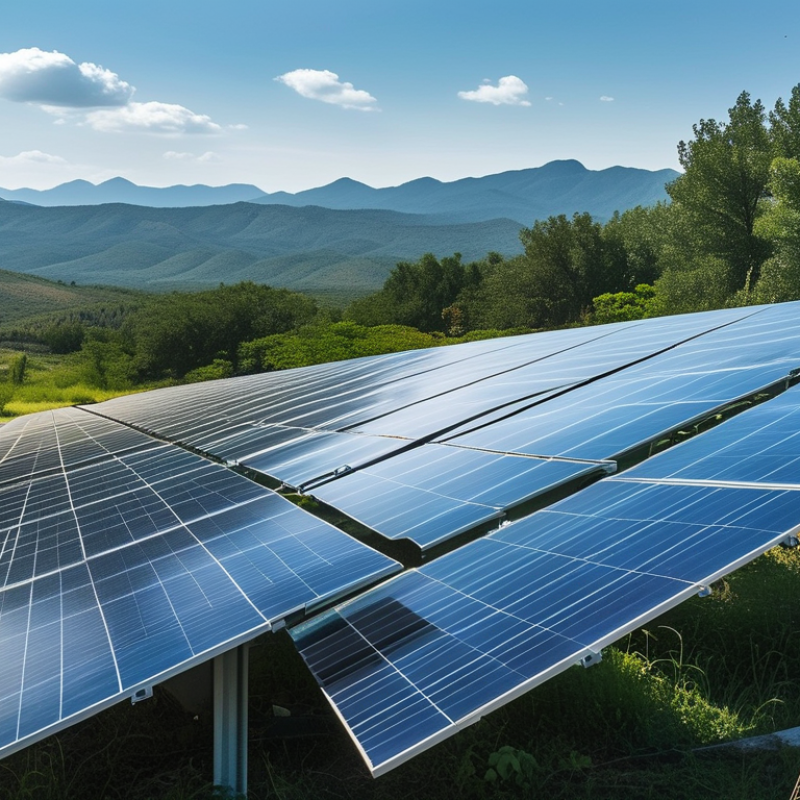
When choosing durable solar lights, the materials used significantly affect their longevity and performance. Most solar lights are crafted from aluminum, plastic, and glass.
Aluminum is a popular choice due to its lightweight nature and resistance to rust. A study by the Solar Energy Industries Association (SEIA) indicates that aluminum can endure weather conditions better than many other materials. This longevity may also lead to reduced replacement costs over time.
Plastic components, often used in less expensive solar lights, can be a double-edged sword. While they are lightweight and less prone to shattering, their degradation under UV exposure is concerning. According to the National Renewable Energy Laboratory (NREL), the lifespan of plastic lighting fixtures is often shorter due to environmental factors. This creates a dilemma for consumers who want affordability without sacrificing durability.
Glass lenses, on the other hand, provide excellent protection for solar panels. They are more resistant to scratches compared to plastic and offer better clarity for light transmission. However, glass is heavier and more fragile, raising concerns about breakage in harsh environments. The decision on materials ultimately weighs cost against performance. It's essential to consider these aspects when selecting solar lights intended for long-term use.
UV-resistant plastics play a crucial role in enhancing the longevity of solar lights. Many outdoor lighting solutions suffer from weather exposure, leading to rapid degradation. According to a 2022 study by the Institute for Solar Energy Research, solar lighting products with UV-resistant materials can last up to 30% longer compared to those made from standard plastics. This statistic highlights the importance of choosing appropriate materials for outdoor applications.
The breakdown of plastics under UV light leads to color fading and brittleness. Research indicates that UV-resistant plastics incorporate special additives that absorb UV radiation, preventing damage. For instance, testing shows that solar lights utilizing these materials retain their structural integrity after two years of exposure. Conversely, non-UV-resistant alternatives can show significant wear within six months.
The market is continually evolving, yet some brands still rely on outdated materials. This raises concerns about the consistency of quality across the industry. Consumers need to prioritize products made from proven UV-resistant materials, as the initial investment often translates to long-term savings. Over time, the choice of materials significantly impacts both performance and durability, serving as a vital consideration for anyone investing in solar lighting solutions.
Tempered glass plays a significant role in enhancing the durability of solar lights. Unlike regular glass, tempered glass is treated to increase its strength. It can withstand extreme weather conditions—be it rain, hail, or intense sunlight. This durability is vital for outdoor use, ensuring that solar lights continue to function effectively over time. When choosing solar lights, consider those with tempered glass lenses for improved longevity.
In harsh environments, solar lights face wear and tear. A good quality tempered glass can protect the internal components, reducing the risk of damage. This feature extends the lifecycle of your solar lights and ensures they remain functional during adverse weather. Using materials like tempered glass can also prevent clouding or discoloration, which often reduces light output.
Tips for maintaining solar lights include regular cleaning of the glass surface. Dust and debris can accumulate, affecting efficiency. It’s also wise to inspect the lights for any signs of wear. Replace or repair components before issues arise. This proactive approach can maximize the lifespan of solar lighting. As you invest in outdoor lighting, remember the importance of quality materials.
When comparing materials for solar lights,
metal and plastic components have their own strengths and weaknesses.
Metal, often aluminum or stainless steel, offers
durability and strength. These materials can withstand extreme weather,
including heavy winds and intense sunlight. Metal solar lights are also
resistant to corrosion, which is crucial for outdoor settings.
However, they can become hot in direct sunlight, making accidental contact
potentially hazardous.
On the other hand, plastic components
are lightweight and cost-effective. They are less prone to rust and can be
produced in various colors and designs. This versatility appeals to many
consumers. Yet, plastic is vulnerable to UV degradation over time.
It can become brittle and fade, especially in harsh climates. The trade-off
between durability and aesthetics becomes clear. While metal may last longer,
the visual appeal of plastic can influence consumer choices.
Using a mix of both materials could be an ideal solution.
A sturdy metal body combined with plastic components might provide both
durability and style. Assessing the environment where the lights will be used
is essential. Poor choices can lead to disappointment, wasting both resources
and expectations. Each material requires careful consideration based on
specific needs.
The performance of solar lights heavily depends on the sealing materials used in their construction. Effective sealing ensures that water does not penetrate the housing, which can lead to corrosion and failure. According to a report by the National Renewable Energy Laboratory, nearly 30% of solar lights fail within the first two years, primarily due to moisture damage. This highlights the crucial role of waterproofing in extending the lifespan of these products.
When selecting sealing materials, manufacturers often consider silicone rubber and polyurethane. These materials offer excellent moisture resistance and durability. A study from the American Society for Testing and Materials shows that polyurethane seals can withstand extreme weather conditions better than other materials. However, not all sealing methods provide the same level of protection. Some lights may have inadequate seals that weaken over time, leading to performance issues.
It's essential to regularly inspect outdoor solar lights for signs of wear and damage. Cracks and gaps can compromise their waterproofing abilities. Many users overlook these checks, resulting in reduced efficiency and frequent replacements. Understanding sealing technologies is vital for both manufacturers and consumers. Investing in better sealing could significantly reduce the failure rates seen in the industry.
: Solar lights are typically made from aluminum, plastic, and glass. Each material has unique properties affecting durability.
Aluminum is lightweight and resistant to rust. It also performs well in different weather conditions, leading to long-lasting use.
Plastic is lightweight and cost-effective but can degrade under UV exposure. This shortens the lifespan of plastic fixtures.
Tempered glass is treated for strength, allowing it to withstand harsh weather. It protects internal components and maintains light clarity.
Regularly clean the glass surface and inspect for wear. Proactive repairs can prevent efficiency issues and maximize lifespan.
Metal offers durability and weather resistance but can heat up in sunlight. Plastic is lightweight and versatile but degrades under UV light.
Yes, combining both materials can offer durability and aesthetic appeal. Assess your environment to determine the best combination.
Glass provides better scratch resistance and light clarity but is heavier and more fragile. Its durability makes it a stronger choice for long-term use.
Selection affects durability and performance. Poor choices can lead to dissatisfaction and wasted resources in outdoor lighting investments.
The balance between cost, performance, and the environment is key. Each material's strengths and weaknesses should influence your decision.
Durable solar lights are constructed from various materials that significantly enhance their longevity and performance. Commonly used materials include UV-resistant plastics which protect against sun exposure, thereby extending the lifespan of solar lights. Additionally, tempered glass plays a crucial role in increasing durability by providing resistance to impact and weather elements. A comparative analysis reveals that while metal components can offer strength, plastic alternatives often provide lightweight and rust-resistant benefits.
Moreover, the sealing materials used in the design of solar lights are vital for ensuring waterproof performance, preventing water ingress that can lead to malfunction. Understanding what materials are used in durable solar lights is essential for consumers looking to invest in long-lasting outdoor lighting solutions. These considerations collectively contribute to the overall resilience and functionality of solar lighting systems.

GKE Power