Top 5 Factors Affecting Solar Lighting Performance?

Time:2026-08-12 Author:Sophia
0%

Understanding what factors affect solar lighting performance is crucial for maximizing energy efficiency. Dr. Emily Carter, a leading expert in solar energy systems, emphasizes, "The performance of solar lighting hinges on multiple variables."

The efficiency of solar lights is influenced by solar panel quality, battery capacity, and geographic location. Solar panels must absorb maximum sunlight. Their placement and angle can significantly enhance energy capture. The battery's ability to store energy determines how long the lights can operate at night.

Additionally, environmental conditions, such as weather patterns and seasonal changes, contribute to performance variability. Cities with frequent cloud cover may see diminished results. It's essential to consider these elements to improve solar lighting solutions. Continuous evaluation of this technology can reveal opportunities for enhancement and innovation.
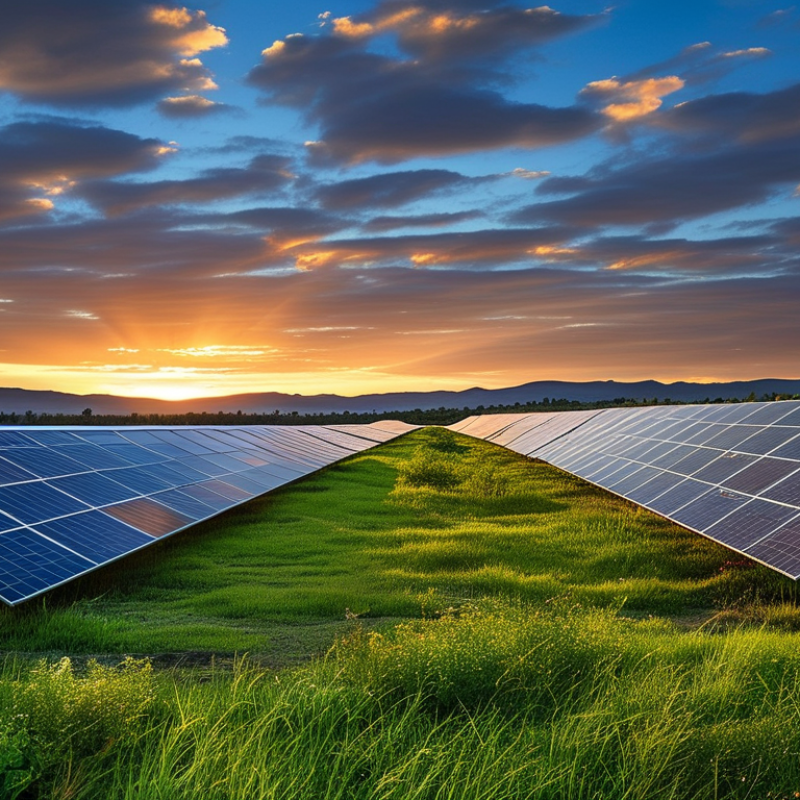
Top 5 Factors Affecting Solar Lighting Performance?

Factors Influencing Solar Panel Efficiency in Lighting Systems

The efficiency of solar panels in lighting systems hinges on several critical factors. Sunlight exposure stands as the foremost element. Panels must receive unobstructed sunlight for maximum energy conversion. A shaded panel can lose significant efficiency, especially during peak sunlight hours. Geographic location also plays a role. Areas with more sunny days yield better performance.

Another vital factor is the angle of installation. The tilt and orientation of panels directly affect their ability to capture sunlight. Panels that are not properly aligned can fall short of their potential. Additionally, temperature significantly influences efficiency. Solar panels often become less efficient in extreme heat, which can be counterintuitive for those expecting more sun to equate to better performance.

Battery quality is equally crucial. A subpar battery can lead to energy loss, reducing overall system effectiveness. The type of solar panel technology used also matters. Monocrystalline panels typically perform better than their polycrystalline counterparts. However, cost and space might limit choices. Regular maintenance is often overlooked yet essential for sustaining performance. Dust and debris can accumulate, blocking sunlight and diminishing energy output. Understanding these factors is vital for optimizing solar lighting systems.

Top 5 Factors Affecting Solar Lighting Performance

This chart illustrates the key factors influencing the efficiency of solar panels in lighting systems.

The Role of Sunlight Exposure in Solar Lighting Performance

Sunlight exposure is critical for solar lighting performance. Solar lights function by converting sunlight into energy. The more sun they absorb, the better they perform. Reports state that adequate exposure can increase efficiency by up to 30%. However, many installations fail to consider shading factors. Nearby trees or buildings can block sunlight. This leads to reduced power generation during crucial daylight hours.

Placement is also essential. Installing solar lights in areas with maximum exposure can yield significant improvements. According to studies, optimal exposure allows batteries to reach full charge more frequently. This is vital for operation during nighttime hours. Conversely, lighting systems placed in shady areas often struggle. Users report dimmer lights that do not last through the night.

Air quality impacts performance too. Particulate matter in the air can decrease sunlight penetration. Dusty or polluted environments lead to lower efficiency. Regular cleaning of solar panels can mitigate this issue. Attention to these details is vital for consistent lighting performance. Understanding the role of sunlight exposure helps avoid common pitfalls in solar lighting deployment.

Impact of Battery Quality on Solar Lighting Functionality

Battery quality is crucial for effective solar lighting systems. A high-quality battery ensures efficient energy storage. This leads to consistent brightness and longer usage times. Poor battery performance often results in dim lights and short operational hours. Homeowners may find this frustrating, especially during extended cloudy days.

The capacity of the battery directly impacts solar lighting functionality. Batteries with lower capacities struggle to maintain power levels. They may require frequent charging, reducing the system's overall effectiveness. Users often overlook the importance of regular maintenance. Dust and debris can hinder battery connections, leading to reduced performance. Regular checks can help avoid these pitfalls.

Investing in good batteries is essential, yet not everyone considers the long-term benefits. Some users might choose cheaper options initially, only to face issues later. This creates a cycle of dissatisfaction with solar lighting. The right battery ensures users receive reliable, efficient lighting that meets their needs, particularly during critical times.

Significance of Lumens and Light Output in Solar Lighting

When choosing solar lighting, lumens and light output are critical factors. Lumens measure the amount of light produced by a solar fixture. A higher lumen count means brighter light, ideal for safety and visibility. Understanding this measurement can significantly enhance your space’s ambiance and functionality.

Selecting the right lumens requires attention to specifics. For pathways, around 100-200 lumens is sufficient. For outdoor seating areas, aim for 300-500 lumens. Too few lumens may leave spaces dim and unsafe. On the other hand, excessive brightness can cause glare and discomfort.

Tips for maximizing solar lighting performance include placing fixtures where they receive ample sunlight. Regular maintenance ensures optimal functionality. Clean solar panels and check connections periodically. If lights seem dim, assess if the solar battery needs replacement or cleaning. Experiment with various lumen levels to find what suits your needs best.

Effects of Weather Conditions on Solar Lighting Performance

Weather conditions significantly influence solar lighting performance. Rainy days can limit sunlight exposure. This leads to reduced battery charging and performance. Fog, snow, or cloudy skies can amplify this issue. When the sun is obscured, energy storage becomes a challenge.

Wind can also impact solar panels. Strong winds can cause debris buildup, blocking sunlight. Regular cleaning is essential to maintain efficiency. Monitoring local weather patterns can help in planning solar lighting maintenance.

Tips: Choose solar lights with robust designs for high-wind areas. Install them in locations with maximum sun exposure. Regularly check and clean the panels for optimal performance. This maintenance can enhance durability and effectiveness under changing weather conditions.

FAQS

: What is the most important factor for solar panel efficiency?

: Sunlight exposure is crucial. Unobstructed sunlight maximizes energy conversion.

How does shading affect solar panels?

Shaded panels can lose significant efficiency, especially during peak sunlight hours.

Does geographic location influence solar panel performance?

Yes, sunnier areas perform better. More sunny days lead to higher efficiency.

How does installation angle impact solar panel efficiency?

Proper tilt and orientation are vital. Misaligned panels fail to capture maximum sunlight.

Can temperature affect solar panel efficiency?

Yes, extreme heat can reduce efficiency. More sun doesn’t always mean better performance.

Why is battery quality important in solar lighting systems?

High-quality batteries ensure effective energy storage and consistent brightness.

What happens with poor battery performance?

Dim lights and short operational hours can lead to frustration, especially on cloudy days.

How does battery capacity affect functionality?

Lower capacity batteries struggle to maintain power, requiring frequent charging.

Is regular maintenance necessary for solar lighting?

Yes, neglecting maintenance can block sunlight and reduce performance.

Why do users choose cheaper batteries initially?

Cost might attract users, but they often face issues later, causing dissatisfaction.

Conclusion

The performance of solar lighting systems is influenced by several critical factors that collectively determine their efficiency and functionality. Key elements include the efficiency of solar panels, which directly affects the conversion of sunlight into usable energy. Sunlight exposure plays a crucial role, as inadequate sunlight reduces the overall power generated. Additionally, the quality of batteries used within the system significantly impacts storage capacity and longevity, which are vital for consistent lighting output.

Moreover, understanding lumens and light output is essential, as it dictates the brightness and effectiveness of the solar lighting solution. Lastly, weather conditions, such as cloudy days and temperature fluctuations, can greatly affect solar lighting performance. In summary, these factors—solar panel efficiency, sunlight exposure, battery quality, light output, and weather conditions—answer the question of what factors affect solar lighting performance, underscoring the importance of each in optimizing these systems.

Sophia

Sophia

Sophia is a dedicated marketing professional with an exceptional depth of knowledge about her company's products and services. With a keen understanding of market trends and customer needs, she crafts insightful blog posts that not only inform but also engage readers, enriching the company’s online......