Top 10 Factors That Determine How Long Solar Lights Last Outdoors?

Time:2026-05-05 Author:Isabella
0%

When considering outdoor solar lights, many people ask, "how long do solar lights last outdoors?" According to Richard Green, a solar technology expert, "The lifespan of solar lights varies based on several key factors." Understanding these factors can help users make informed decisions.

The durability of solar lights largely depends on the quality of materials used. High-quality components like durable plastic and tempered glass can extend their life. Battery performance is another crucial aspect. A reliable battery can ensure that lights operate effectively through varying weather conditions.

Environmental factors also play a role. Areas with extreme temperature fluctuations may impact solar lights differently than milder climates. It's essential to evaluate how local weather patterns might affect their longevity. Additionally, regular maintenance can enhance performance and lifespan. This may not be a common practice, yet it is a necessary reflection on solar light ownership. With all these factors in play, understanding how to maximize the lifespan of solar lights outdoors becomes vital.
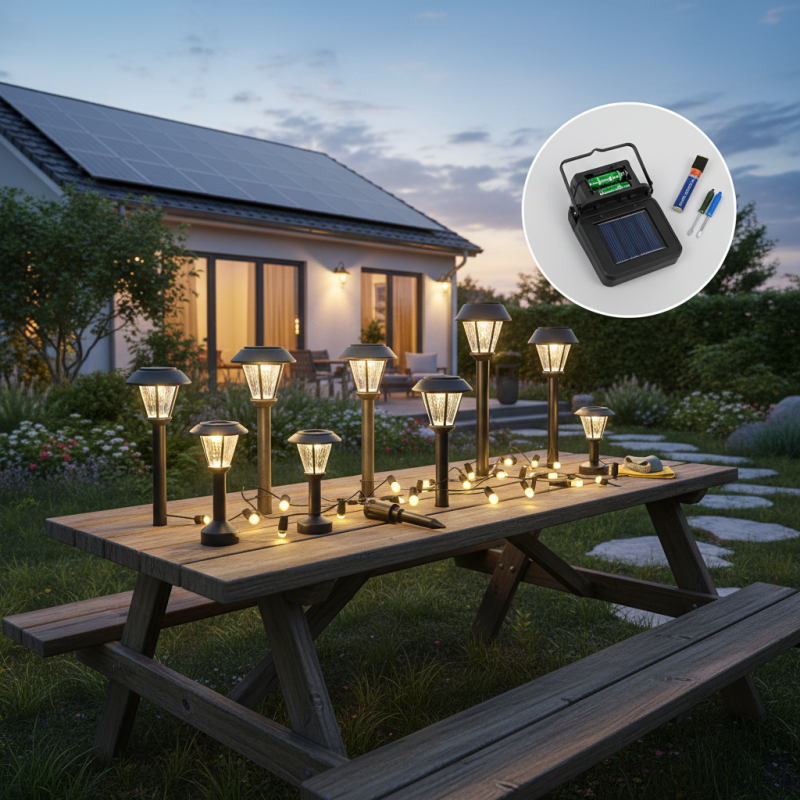
Top 10 Factors That Determine How Long Solar Lights Last Outdoors?

Types of Solar Lights and Their Expected Lifespan Outdoors

When it comes to solar lights, the type significantly influences their longevity outdoors. Pathway lights generally last around three to five years. These fixtures often utilize lower-grade materials. In contrast, solar flood lights can last upwards of five years if correctly maintained. Premium components and efficient solar panels enhance their lifespan.

Some types of solar lights come with different expected lifespans. Decorative solar garden lights may shine brightly for two to three years, while motion sensor lights can average about four years before replacement is needed. According to a report by the Solar Energy Industries Association, the quality of solar batteries plays a crucial role in the overall durability of these lights.

Tips: Regular maintenance can extend the life of your solar lights. Clean the solar panels periodically to ensure maximum sunlight absorption. It’s also important to check the batteries and replace them if performance diminishes. Additionally, store lights indoors during extreme weather conditions, which can help them last longer and work efficiently. Regular inspection can save you the hassle of frequent replacements.

Top 10 Factors That Determine How Long Solar Lights Last Outdoors

Factor Description Average Lifespan (Years)
Battery Quality Higher quality batteries tend to last longer and provide better performance. 2-5
Solar Panel Efficiency The efficiency of solar panels directly affects the amount of light produced. 5-10
Weather Resistance Outdoor solar lights need to withstand harsh weather for extended lifespan. 4-8
Material Quality Durable materials help prevent damage from impact and corrosion. 3-7
Sunlight Exposure Solar lights need adequate sunlight to charge effectively. Varies
Usage Frequency Frequent usage may lead to earlier battery wear and overall failure. 2-6
Maintenance Regular cleaning and maintenance can prolong the lifespan of solar lights. 5-10
Installation Location Properly installed lights in optimal locations tend to last longer. Varies
Lighting Technology Different technologies (LED, CFL) have different life expectancies. 3-15
Seasonal Changes Changes in season can affect how well solar lights perform. Varies

Impact of Solar Panel Efficiency on Longevity of Outdoor Lights

Solar lights have gained popularity for their energy efficiency and ease of use. However, many users overlook a crucial factor: solar panel efficiency. The efficiency of solar panels directly impacts how long these lights last outdoors. A higher efficiency means more solar energy is converted into usable electricity, extending the lifespan of the lights.

According to industry data, high-quality solar panels can convert up to 22% of sunlight into energy. This efficiency ensures the batteries remain charged longer, enabling lights to function through the night. Conversely, lower efficiency rates, around 15%, significantly reduce battery life and overall performance. It's evident that investing in lights with efficient solar panels can enhance longevity.

Tips: When selecting solar lights, check the solar panel efficiency rating. A reliable indicator is the wattage; higher wattage typically correlates with better performance. Additionally, consider the battery type. Lithium-ion batteries last longer than traditional lead-acid options, enhancing the overall durability of solar lights. Optimal positioning of the solar panel also matters. Ensure it's placed in a location that maximizes sun exposure. Regular maintenance, including cleaning the panels, can further improve efficiency, leading to extended lifespans for outdoor solar lights.

Role of Battery Quality in Determining Solar Light Durability

When we discuss solar lights, battery quality is crucial. High-quality batteries can enhance the longevity and effectiveness of solar lights. According to industry reports, approximately 70% of solar light durability is linked to the battery's performance. Most solar lights utilize lithium-ion batteries, which are known for their efficiency and long lifespan. However, not all batteries are created equal.

Poor-quality batteries can lead to rapid discharge and insufficient energy storage. Some studies indicate that lower end batteries may only provide 100 charge cycles, while premium models can last over 500. This disparity highlights the importance of selecting solar lights with robust batteries. Additionally, factors like temperature extremes can impact battery efficiency. For instance, extreme cold can decrease charge capacity by up to 30%.

It’s essential to consider how maintenance affects battery life. Regular cleaning of solar panels can improve energy absorption, thereby extending battery functionality. Some users neglect this aspect, ultimately reducing their solar lights' effectiveness. Understanding the implications of battery quality and maintenance choices can guide users in making informed decisions for outdoor lighting solutions.

Environmental Factors Affecting Solar Light Lifespan

When considering outdoor solar lights, environmental factors play a crucial role in their lifespan. Sunlight exposure is vital. The more sunlight a solar panel receives, the better it can charge. It’s essential to position these lights in direct sunlight for optimal performance. However, shades from trees or buildings can hinder effective charging.

Weather conditions are another significant aspect. Intense heat can degrade internal components. Conversely, cold temperatures can affect battery efficiency. Heavy rain and snow introduce moisture, potentially leading to rust or electrical damage. Regularly checking for signs of wear and tear after harsh weather is essential.

Soil quality where lights are installed also matters. Poor drainage can lead to flooding around the base. This can damage wiring and reduce the light's lifespan. Paying attention to these environmental factors can improve the durability of solar lights outdoors. Remember, while they are designed to withstand elements, consistent care is crucial for longevity.

Maintenance Practices to Extend the Life of Solar Lights Outdoors

Regular maintenance is essential for extending the life of solar lights outdoors. Cleaning the solar panels frequently can significantly enhance their efficiency. Dust, dirt, and debris can block sunlight, reducing the energy absorbed. According to a report from the National Renewable Energy Laboratory, a clean panel can increase energy absorption by up to 20%.

Battery care is another crucial aspect. Solar lights typically use rechargeable batteries. Over time, battery performance may degrade. Replacing batteries at regular intervals can maintain the light's brightness. Regularly checking connections can also prevent common issues. Connections can become loose or corroded, leading to decreased performance.

Finally, proper placement of solar lights matters. Positioning them in areas with ample sun exposure enhances their performance. However, harsh weather can impact their lifespan. It's essential to assess the installation location carefully. Adjusting the angle and protecting lights from extreme conditions can help mitigate damage. These steps reflect real-world experiences shared by homeowners and experts alike.

Top 10 Factors That Determine How Long Solar Lights Last Outdoors

FAQS

: How long do solar pathway lights last?

: Solar pathway lights typically last around three to five years. Their longevity relies on material quality.

What affects the longevity of solar flood lights?

Proper maintenance and high-quality components are key. With care, they can last over five years.

What is the lifespan of decorative solar garden lights?

Decorative solar garden lights usually shine brightly for two to three years before needing replacement.

How do motion sensor lights perform over time?

Motion sensor lights can last about four years. They may need replacement based on battery performance.

Why is solar panel efficiency important?

Higher efficiency means longer-lasting lights. It converts more sunlight into electricity, thus enhancing performance.

How does battery quality impact solar lights?

Battery quality is crucial. High-quality batteries enhance longevity. Poor batteries can lead to rapid energy discharge.

How can maintenance extend solar light lifespan?

Regularly cleaning solar panels helps absorb sunlight. Inspecting and replacing batteries improves overall performance.

What types of batteries are better for solar lights?

Lithium-ion batteries are generally better. They last longer than traditional lead-acid batteries, enhancing durability.

How does extreme weather affect solar lights?

Extreme weather can reduce performance. Storing lights indoors during bad weather helps maintain their functionality.

Why should users check solar panel efficiency?

Higher wattage usually indicates better performance. Efficient panels contribute to longer battery life and functionality.

Conclusion

When considering how long do solar lights last outdoors, several factors come into play. Firstly, understanding the different types of solar lights and their expected lifespans is crucial, as each type varies in durability and usage. A significant aspect affecting longevity is the efficiency of the solar panels; higher efficiency results in better energy absorption, leading to longer-lasting lights. Battery quality also plays a critical role, as superior batteries can withstand more charge cycles, ultimately extending the life of the lights.

Environmental factors such as temperature extremes, moisture, and vegetation can either enhance or reduce the lifespan of solar lights. Finally, regular maintenance practices, including cleaning the solar panels and checking battery conditions, can significantly prolong their service life. By addressing these key factors, one can ensure their solar lights remain functional and effective for an extended period outdoors.

Isabella

Isabella

Isabella is a dedicated marketing professional with a sharp focus on driving brand growth and engagement through strategic content creation. With an extensive background in digital marketing, she combines her passion for storytelling with her keen understanding of industry trends to deliver......