As the demand for sustainable energy solutions grows, understanding how do solar lights work at night is crucial for global buyers. Solar lights utilize photovoltaic cells to convert sunlight into energy during the day. This energy is stored in batteries, allowing these lights to illuminate when the sun sets. According to a report by the International Renewable Energy Agency, the solar lighting market is expected to grow by 30% annually. This trend reflects a shift towards energy-efficient solutions in residential and commercial spaces.
Despite their advantages, solar lights face challenges. The efficiency of solar lights can diminish in cloudy or rainy conditions. Additionally, the battery performance may decline over time, affecting the brightness and duration of light output. A study from the Solar Energy Industries Association highlights that while initial costs might be high, the long-term savings on electricity can be significant.
Exploring how do solar lights work at night reveals both potential and limitations. Buyers should consider environmental factors and maintenance requirements. A well-informed decision ensures optimal use of solar technology, enhancing its benefits.
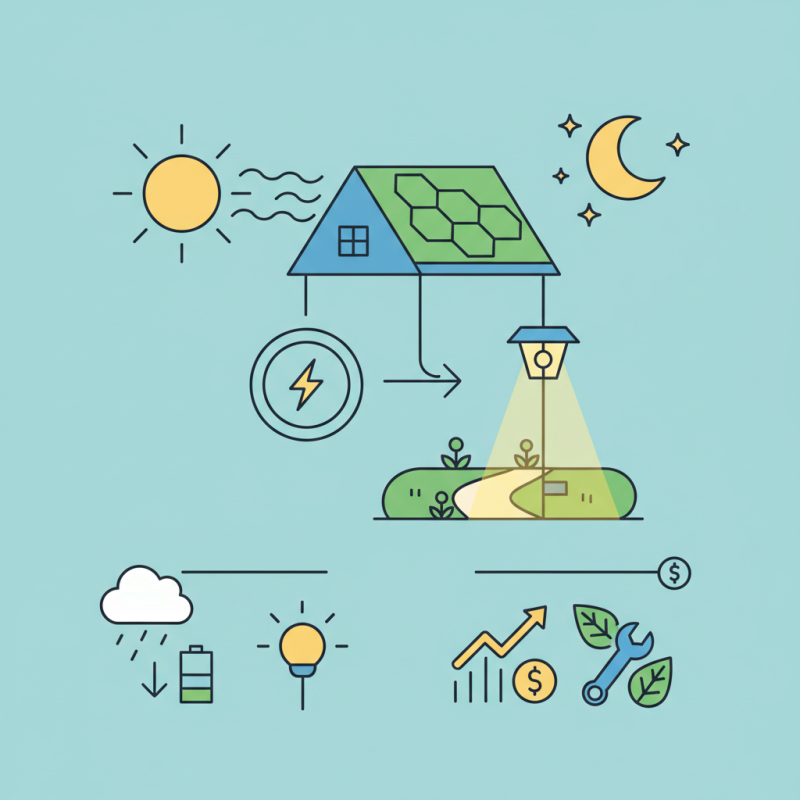
Understanding the Mechanism of Solar Lights at Night
Solar lights operate using a simple yet effective mechanism that makes them functional even at night. During the day, photovoltaic cells collect sunlight. This energy is converted and stored in a battery. The efficiency of this process depends on factors such as sunlight intensity and the duration of exposure. Inadequate sunlight can lead to diminished performance at night, which can be frustrating for users.
At night, the stored energy is released to power LED bulbs. Most solar lights include automatic sensors that detect darkness. When the sun sets, these sensors trigger the lights to turn on. However, the brightness may vary based on the charge level of the battery. In some situations, the lights may flicker or dim prematurely if the battery is not fully charged. This inconsistency can lead to disappointment, particularly in areas with limited sunlight.
Understanding the mechanism behind solar lights can help users optimize their use. Regular cleaning of the solar panels is essential to maintain efficiency. Additionally, choosing the right location for installation impacts the performance. If lights are placed in shaded areas, they tend to underperform. Thoughtful placement can significantly enhance reliability and ensure brightness throughout the night.
How Do Solar Lights Work at Night?
This bar chart illustrates the brightness levels of solar lights at different times of the day, highlighting the natural cycle of solar power availability and usage. Solar lights are most effective during the day and maintain a low brightness level at night, relying on stored energy.
Components of Solar Lights: How They Function After Dark
Solar lights operate effectively at night through a combination of essential components. Understanding these parts can enhance their practicality for global buyers. Solar lights typically contain a solar panel, battery, LED light, and a sensor. During the day, the solar panel collects sunlight and converts it into electricity. This process charges the battery, storing energy for later use.
At night, the stored energy powers the LED light. The built-in sensor detects darkness and automatically turns on the light. This feature makes solar lights user-friendly and energy-efficient. Many lights can last from dusk until dawn, provided they receive ample sunlight during the day.
However, inadequate exposure to sunlight can lead to reduced performance.
While solar lights offer significant benefits, they may not always function flawlessly. Performance can vary based on weather conditions and location. Some users have noted that cloudy days can diminish battery life. It's essential to consider these factors when choosing solar lighting solutions. Continuous improvement in technology aims to address these challenges, ensuring better reliability in the future.
The Role of Solar Panels in Night-time Illumination
Solar panels play a crucial role in how solar lights function at night. During the day, these panels absorb sunlight and convert it into electrical energy. This energy is stored in batteries, ensuring the lights have power after sunset. The amount of light absorbed directly influences how long the lights will stay illuminated.
When darkness falls, the stored energy is released to power the LED bulbs. These bulbs are efficient, using less energy while providing sufficient brightness. However, the effectiveness of this system can vary, depending on several factors, such as weather conditions and the amount of sunlight received. For instance, prolonged cloudy days can result in reduced battery capacity.
Moreover, the capacity of the battery itself can pose a challenge. Not all solar lights have the same battery size or quality. If the battery is small or old, the light might not last as long as expected. Users should consider these variables when choosing solar lights for their needs. Understanding the interplay between sun exposure and battery quality can lead to more reliable nighttime illumination.
How Battery Storage Enhances Solar Light Performance Overnight
Solar lights serve as an innovative solution for outdoor illumination. Their efficiency at night largely depends on battery storage systems.
These batteries store energy collected from the sun during the day. When the sun sets, they release this energy, enabling the solar lights to shine brightly even in complete darkness.
Battery performance greatly impacts the effectiveness of solar lights. A fully charged battery can power the light for several hours. However, if the battery is of low quality, the performance may suffer.
It is crucial to select a reliable battery type, as a cheap option may lead to poor lighting and quick depletion.
Longer-lasting batteries can provide consistent performance overnight. They help in overcoming cloudy days when sunlight is scarce. However, users must also be aware that
temperature changes can affect battery efficiency. In colder climates, batteries may not hold as much charge. Understanding these factors can elevate the performance of solar lights significantly.
Factors Affecting the Efficiency of Solar Lights During Nighttime
Solar lights operate effectively at night by harnessing energy from the sun during the day. However, several factors can affect their efficiency once the sun sets. One critical factor is the battery capacity. According to reports, the average solar light battery can store between 400mAh to 2000mAh. A higher capacity battery holds more energy, ensuring longer illumination during the night.
Another influencing factor is the quality of the solar panel. Research shows that panels with higher efficiency rates can convert more sunlight into energy. For instance, monocrystalline panels often outperform polycrystalline ones, providing up to 20% more energy. Additionally, environmental conditions play a significant role. Areas with prolonged cloudy days may lead to insufficient charging, impacting performance.
The placement of solar lights also matters. Lights positioned in shaded areas may struggle to gather enough energy during the day. Regular maintenance, such as cleaning the panels, is necessary to maintain optimal efficiency. Over time, dust and debris can accumulate, reducing energy absorption. Understanding these factors is essential for global buyers seeking effective solar lighting solutions.
FAQS
: Solar lights use stored energy from sunlight collected during the day. They power LED bulbs at night.
Solar lights typically include a solar panel, battery, LED light, and a sensor for automatic activation.
Poor performance can result from inadequate sunlight, weather conditions, and improper placement in shaded areas.
Regularly clean solar panels and place lights in sunny locations to enhance performance and brightness.
Solar panels absorb sunlight, convert it to electrical energy, and charge batteries for nighttime use.
Yes, battery size and quality impact how long lights stay illuminated. Smaller or older batteries may not last.
Flickering or dimming occurs when the battery isn’t fully charged or during cloudy weather conditions.
Many solar lights last from dusk until dawn if they receive enough sunlight during the day.
Inconsistent brightness and short operation time can frustrate users, particularly in areas with limited sunlight.
Yes, prolonged cloudy days can reduce battery capacity, affecting the lights' performance during the night.
Conclusion
Solar lights operate at night by harnessing energy from sunlight during the day. Understanding how do solar lights work at night involves examining their key components, including solar panels, batteries, and sensors. The solar panels absorb sunlight and convert it into electrical energy, which is stored in batteries for later use after sunset.
As night falls, the built-in sensors detect the absence of light and trigger the solar lights to illuminate. The stored energy powers the LED bulbs, providing efficient illumination. Factors such as battery capacity, panel size, and the duration of sunlight exposure during the day significantly influence their nighttime performance. A thorough understanding of these mechanisms can help global buyers make informed choices about solar lighting options.

 GKE Power