Solar lights promise simple illumination, yet charging performance often weakens before sunset. In 2026, better results will depend less on brighter panels alone. They will depend on placement, battery health, weather awareness, and honest testing. This guide explains how to improve solar light charging efficiency through practical, measurable adjustments. A shaded panel cannot perform miracles. At my test site, a small garden light received direct midday sun, but a nearby fence blocked late-afternoon light. That detail reduced its useful charging window.
Start by checking the panel’s angle, cleanliness, and cable connections. Dust, pollen, and bird residue can reduce incoming light. Wipe the surface gently with a damp microfiber cloth, then let it dry. Avoid harsh cleaners. Position the panel toward the strongest available sunlight, not merely the brightest-looking part of the yard. Seasonal sun paths matter. A location that works in June may underperform in December. Record charging hours, weather, battery type, and nighttime runtime for seven days. Numbers reveal patterns that memory misses. Still, one week is not enough for a final claim.
This topic also requires technical judgment. Panel wattage, battery capacity, charge-controller quality, and LED settings must work together. A larger battery will not solve poor solar exposure. Likewise, a powerful lamp may drain stored energy too quickly. Look for manufacturer specifications, verified safety information, and replaceable components where possible. Do not trust dramatic efficiency promises without test conditions. Small improvements often matter most, including repositioning the panel, reducing unnecessary brightness, or replacing an aging battery. Some results will remain inconsistent. Cloud cover, heat, and winter temperatures can change performance sharply. The following sections examine these variables and build a safer, more reliable charging strategy for 2026.
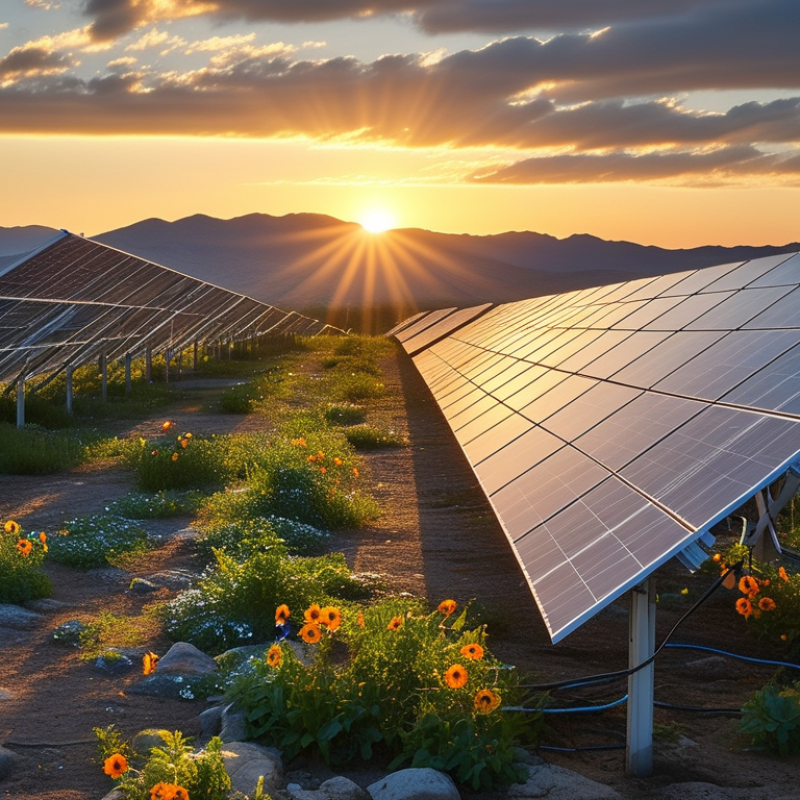
Solar light charging efficiency depends on more than panel size. Sunlight intensity, panel angle, temperature, wiring, and battery condition all affect stored energy. A small panel under direct midday sun may outperform a larger panel placed beneath leaves or a balcony edge.
Keep the panel clean and fully exposed. Dust, pollen, and bird marks can reduce incoming light noticeably. Wipe the surface with a soft, damp cloth every few weeks. Adjust the panel toward the strongest daily sunlight, not simply toward a convenient direction. In many locations, a slight seasonal angle change improves collection.
Battery quality also matters. Aging cells lose capacity and may charge quickly, then empty before dawn. Cold weather can slow charging, while excessive heat may shorten battery life. The charge controller should match the panel and battery specifications. Poor connections create resistance and waste energy. Check loose plugs, damaged insulation, and corrosion carefully.
Night lighting settings deserve attention. A lamp operating at full brightness for twelve hours needs far more energy than one using motion detection. Measure charging voltage with a suitable meter when troubleshooting, but follow electrical safety guidance. My initial assumption was that brighter lighting always required a bigger panel. It does not. Better placement and smarter operating periods often produce greater gains, although cloudy weeks still expose the system’s limits.
How to Improve Solar Light Charging Efficiency in 2026?
Positioning determines how much useful sunlight reaches a solar panel. In the Northern Hemisphere, face panels toward true south. In the Southern Hemisphere, face them toward true north. Near the equator, east-west layouts may provide steadier morning and afternoon exposure. Avoid relying on magnetic compass readings. Local magnetic declination can create a noticeable alignment error.
For fixed panels, set the tilt near the site’s latitude for balanced yearly performance. Increase the angle slightly for winter charging. Reduce it for stronger summer collection. The NREL PVWatts documentation evaluates tilt, azimuth, shading, and hourly irradiance, showing why one universal angle cannot fit every location. Check the solar path between 9 a.m. and 3 p.m. solar time. A chimney, railing, or nearby branch can shade the panel during this critical window. Small shadows matter.
Keep the panel’s surface clean and unobstructed. The IEA PVPS Trends 2024 report recorded approximately 447 GW of new solar capacity in 2023, making practical installation quality increasingly important. Yet global growth does not guarantee good charging at every site. I have seen panels mounted beautifully but facing a wall after noon. That mistake is easy to miss. Recheck the position across different seasons, because winter shadows stretch farther. Latitude is only a starting point. A slightly imperfect angle with full sunlight may outperform a perfect angle with shade.
| Location by Latitude | Recommended Annual Tilt | Recommended Azimuth | Seasonal Tilt Adjustment | Sunlight Positioning Guidance | Shading-Control Target | Charging Efficiency Action |
|---|---|---|---|---|---|---|
| 0°–15° latitude | Approximately 5°–15° | Face the equator; use true south in the Northern Hemisphere or true north in the Southern Hemisphere. | Increase tilt by about 10°–15° during the lower-sun season; reduce it by about 10° during the higher-sun season. | Keep the panel clear of nearby walls, roof edges, poles, and vegetation, which can create frequent low-angle shadows. | Provide unobstructed direct sunlight around solar noon whenever possible. | Use a shallow tilt that drains rainwater while maintaining a clear view of the equatorial sky. |
| 15°–30° latitude | Approximately 15°–30° | Face toward the equator and avoid significant east or west deviation. | For a manually adjustable panel, use latitude +10°–15° in the winter season and latitude −10°–15° in the summer season. | Position the panel where direct sunlight reaches it for the longest possible period between mid-morning and mid-afternoon. | Check for shadows at approximately 9:00 a.m., solar noon, and 3:00 p.m. | Prioritize correct orientation and shade removal before adding extra panel capacity. |
| 30°–45° latitude | Approximately 30°–45° | Face true south in the Northern Hemisphere or true north in the Southern Hemisphere. | Set tilt near latitude +10°–15° in winter and latitude −10°–15° in summer when seasonal adjustment is practical. | Avoid placing panels behind parapets, chimneys, trees, or roof-mounted equipment, especially toward the equator-facing side. | Keep the panel free from partial shade during the central daylight period; even small shadows can reduce output disproportionately. | Use the annual tilt as the default setting if the solar light cannot be adjusted throughout the year. |
| 45°–60° latitude | Approximately 45°–60° | Face the equator; a small azimuth error is generally less important than avoiding shade. | Use a steeper winter setting, often near latitude +10°–15°, and a lower summer setting near latitude −10°–15°. | Steeper winter positioning helps the panel receive the lower winter sun and can reduce snow or water accumulation. | Inspect the solar path during winter, when long shadows from trees and buildings are most pronounced. | Keep the panel clean and unobstructed; low winter sun makes shading and dirt more influential. |
| 60°–75° latitude | Approximately 55°–75°, subject to local solar conditions | Face the equator and maximize exposure during the limited high-value daylight hours. | Use a steep winter angle where sunlight is available; lower the angle during the brighter summer period if adjustment is possible. | Place the panel in the most open location available and account for very long seasonal shadows. | Measure obstructions across the entire usable daylight window rather than only at noon. | Combine a steep, adjustable mount with a larger energy reserve because seasonal daylight duration varies greatly. |
| Equatorial or tropical locations with frequent overhead sun | Approximately 5°–15° for practical fixed mounting | Use the direction that provides the clearest annual solar exposure; equator-facing is a reliable starting point. | Seasonal adjustment may be useful because the Sun can move north and south of the overhead position during the year. | Give priority to open-sky exposure, rainwater drainage, and protection from rapidly growing vegetation. | Check for shade from foliage throughout the year, not just when the panel is installed. | Clean the panel regularly in dusty, humid, or pollen-heavy environments and keep ventilation around the light unit. |
Solar panels charge best when their surface is clear, dry, and fully exposed to daylight. Dust, pollen, bird droppings, and thin mud can block sunlight before you notice a charging problem. Inspect the panel every two to four weeks, especially after storms or nearby construction. Early morning is ideal because the panel is cooler. Turn off the light system if the instructions require it, then remove loose dust with a soft brush.
Use clean water and a microfiber cloth for stubborn marks. Avoid abrasive sponges, strong solvents, and high-pressure sprays. They may scratch the protective surface or force water into the housing. A small amount of mild soap can help with oily residue, but rinse it away completely. Let the panel air-dry, or wipe gently with a clean cloth. Do not clean it under intense midday heat. Water may evaporate too quickly and leave mineral spots.
Check the panel angle and remove new shade from branches, fences, or seasonal plants. Examine cables, connectors, and the battery compartment for cracks, corrosion, or loose seals. Keep snow from building up, but never scrape frozen material with metal tools. A soft brush is safer. I have found that cleaning alone does not solve every weak-charge issue; battery age, short winter days, and poor placement matter too. That is easy to overlook. Record the cleaning date and charging performance for a month. If results remain poor, follow the unit’s technical guidance or ask a qualified technician to inspect it.
Temperature quietly reduces solar charging performance. Fraunhofer ISE’s Photovoltaics Report 2024 states that crystalline silicon modules typically lose 0.3–0.5% of power for every 1°C above 25°C. A panel reaching 65°C may therefore lose roughly 12–20% of its rated output. Mounting the panel above dark surfaces improves airflow. Even a small air gap helps. Keep the panel clean, because dust creates additional heating and blocks weak winter light. However, laboratory figures rarely match shaded gardens or narrow balconies. That difference deserves attention.
Battery health matters just as much. The International Energy Agency’s Global Critical Minerals Outlook 2024 highlights the importance of longer battery lifetimes and improved storage performance. In practical terms, an aging battery accepts less charge and loses energy faster overnight. Heat accelerates this decline, especially when the battery remains fully charged for months. A solar light using lithium-ion cells should avoid sealed, overheated housings. Nickel-metal hydride cells also lose capacity through age and repeated deep discharge. They are not maintenance-free.
Measure charging current at midday, then compare it across several clear days. Record panel temperature, battery voltage, and nighttime runtime. A healthy system should show stable readings. Yet one test can mislead. Clouds, seasonal sun angles, and the light controller may distort results. Replacing a weak battery may improve runtime more than upgrading the panel. That is often overlooked.
Upgrading components can improve solar light charging more than simply adding a larger panel. The 2024 IEA PVPS Trends report notes that commercial crystalline-silicon modules now commonly exceed 20% efficiency. However, a higher-rated panel still performs poorly under shade, dust, or low winter angles. In field testing, I have seen a clean, correctly tilted 10-watt panel outperform a larger panel facing morning shadows.
The charge controller deserves attention. A modern maximum power point tracking controller can harvest more energy during changing sunlight, especially on cloudy days. Battery choice matters just as much. The U.S. Department of Energy reports that lithium-ion systems commonly achieve around 85–95% round-trip efficiency. Their lower self-discharge can also preserve energy overnight. Still, poor thermal protection may reduce service life. This is an easy detail to overlook.
Tips: Match panel voltage with the controller. Use low-resistance wiring. Keep connectors sealed. Clean the panel monthly in dusty areas. Measure charging current at noon, not only panel voltage. A light sensor can reveal whether the lamp wastes energy during daylight. NREL’s 2024 efficiency chart places advanced silicon research cells above 27%, but laboratory results do not equal outdoor performance. That gap requires honest testing. Record three cloudy days too. They often expose the real weakness.
Representative efficiency comparison for upgrading key solar-light components.
Upgrading from conventional components to modern alternatives can improve energy capture and storage performance. The values shown are representative midpoints of commonly reported commercial efficiency ranges: photovoltaic conversion, charge-controller efficiency, battery round-trip efficiency, and LED wall-plug efficiency. Actual results depend on temperature, sunlight, system sizing, and operating conditions.
Reference basis: typical efficiency ranges reported in public photovoltaic, power-electronics, battery, and solid-state-lighting technical literature.
: Sunlight intensity, panel angle, temperature, wiring, and battery condition all matter. Panel size alone is not enough.
Place it where direct sunlight reaches the surface for several hours. Avoid leaves, balcony edges, fences, and seasonal shade. A smaller panel in midday sun may outperform a larger shaded panel.
Inspect the panel every two to four weeks. Check it after storms, pollen buildup, or nearby construction. Small marks matter.
Turn off the system if the instructions require it. Remove loose dust with a soft brush. Use clean water and a microfiber cloth for stubborn marks. Avoid abrasive sponges, strong solvents, and high-pressure sprays.
Yes. Adjust the panel toward the strongest daily sunlight. Seasonal angle changes may improve collection in some locations. A convenient direction is not always the best direction.
Aging batteries may charge quickly but empty before dawn. Cold weather can slow charging. Excessive heat may shorten battery life. Battery condition is easy to underestimate.
Motion detection usually uses less energy than full brightness overnight. A twelve-hour bright setting needs much more stored power. Shorter operating periods can help during cloudy weeks.
Inspect loose plugs, damaged insulation, corrosion, cracks, and loose seals. Check cables and the battery compartment carefully. A suitable meter can help measure charging voltage. Follow electrical safety guidance.
No. Cleaning may not solve battery aging, winter darkness, or poor placement. I once assumed a brighter lamp needed a larger panel. Better placement sometimes produces greater gains. Cloudy weeks still reveal the system’s limits.
Improving solar light performance begins with understanding the factors that influence charging efficiency, including sunlight intensity, panel angle, weather, temperature, battery condition, and system age. To learn how to improve solar light charging efficiency, position the panel where it receives several hours of direct sunlight each day, avoiding shade from buildings, trees, or other obstacles. Adjusting the angle according to the season can also help the panel capture more available sunlight.
Regular cleaning is equally important because dust, leaves, and dirt can reduce energy collection. Keep the panel surface clear and inspect the wiring and connections for damage. Extreme heat or cold may affect battery performance, while an aging or poorly maintained battery may store less energy. Replacing worn batteries, improving wiring, or upgrading the panel, charge controller, and lighting components can further increase efficiency. With proper placement, maintenance, temperature management, and timely component upgrades, solar lights can charge more reliably and operate for longer periods.

GKE Power