Improving solar light charging efficiency is crucial for enhancing performance in renewable energy systems. John Smith, a leading expert in solar energy, emphasizes, "Optimizing solar panel alignment can significantly boost energy capture." This insight highlights the importance of positioning and technology in solar charging efficiency.
The demand for renewable energy drives innovation. Many strive to maximize solar charging capabilities. Factors like material quality, angle of sunlight, and environmental conditions impact overall efficiency. Stakeholders must address these variables to achieve tangible results.
However, not all methods yield instant improvement. Testing and adjustments require patience. Understanding the intricate relationships between technology components is essential. Embracing a mindset of continuous learning is key to mastering how to improve solar light charging efficiency in various applications.
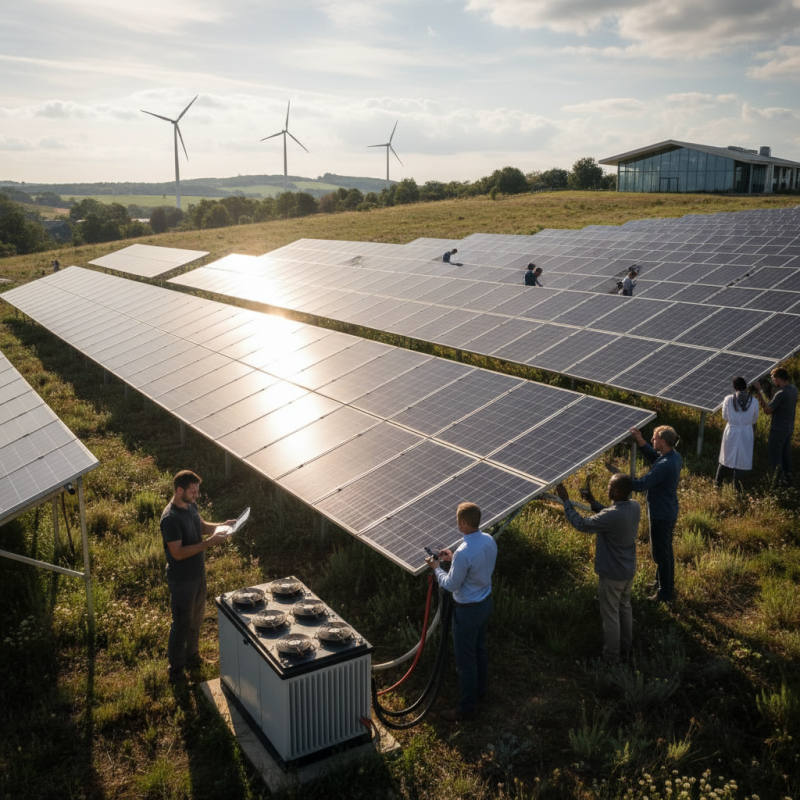
Solar light charging has gained popularity as an eco-friendly solution. However, understanding its principles and metrics is crucial for improving efficiency. The performance of solar chargers largely depends on material quality, placement, and environmental factors.
Current data shows that solar panels can convert about 15-20% of sunlight into usable energy. Efficiency drops significantly on cloudy days or with dirt on the panels. Research indicates that positioning solar panels at optimal angles can enhance energy absorption. For instance, panels tilted at 30 degrees can maximize solar exposure in many regions.
Awareness of energy loss is vital. Shadowing from nearby objects can reduce output by up to 80%. Regular maintenance is essential to prevent deterioration of efficiency. Studies recommend cleaning panels every few months, especially in dusty environments. Adopting these practices can significantly enhance the performance of solar light charging systems.
Solar panel efficiency is influenced by multiple factors. Temperature plays a crucial role. As temperatures rise, the efficiency of solar panels can drop. This means that hot summer days may not yield the best energy output. Maintaining optimal operating conditions is essential.
The angle of installation is equally important. Solar panels should be tilted at the right angle to capture maximum sunlight. However, this can be challenging. Different latitudes and seasons affect the ideal angle. Ensuring the right position might require adjustments over the year.
Shading presents another obstacle. Even small shadows can significantly reduce energy production. Trees, buildings, or even dirt can block sunlight. Regular cleaning and strategic placement are vital for improved performance. Many overlook these simple steps, but they are crucial for maximizing efficiency.
Innovative materials play a crucial role in enhancing solar technology. Recent studies show that advanced photovoltaic materials can significantly improve light absorption rates. For example, perovskite solar cells have shown efficiencies over 25%, outperforming traditional silicon cells. This remarkable efficiency stems from their unique crystal structure, which allows for better light harvesting.
In addition, researchers are exploring nanostructures to further optimize absorption. One approach involves using metallic nanoparticles to create plasmonic effects. These nanoparticles can trap light, increasing the effective path length for photons. This strategy has been reported to boost light absorption by up to 50%. However, the challenge remains in scaling these innovations for mass production.
Despite promising advancements, challenges persist in material stability and environmental impact. The longevity of newer materials must be addressed to ensure sustainable energy solutions. Moreover, finding cost-effective manufacturing processes is essential. A balance between performance and practicality is vital for broader adoption in the solar market.
When optimizing solar light charging, placement and angle adjustments are crucial. Studies indicate that the angle of solar panels can significantly enhance efficiency. A tilt angle of 30 degrees often provides the best exposure during most seasons. However, this may not be optimal in every location. Regions with high snowfall may require steeper angles to avoid accumulation.
Placement also matters greatly. Solar panels should ideally be positioned in direct sunlight for most of the day. Obstructions like trees or buildings can create shadows that reduce performance by up to 50%. A report from the International Renewable Energy Agency (IRENA) highlights that precise positioning, coupled with regular maintenance, can increase energy capture significantly.
It’s important to regularly reassess these setups. Seasonal changes can affect sunlight exposure. For instance, in winter, lower sun angles mean adjustments may be necessary. Failure to adapt can lead to increased inefficiency. Regular monitoring and flexibility in your setup strategies are key to sustaining optimal performance in solar charging systems.
Choosing the right battery is crucial for optimizing solar light charging efficiency. Different battery technologies have unique characteristics. Lithium-ion batteries are popular due to their lightweight and high energy density. However, they can be costly. Lead-acid batteries are cheaper but heavier and have a shorter lifespan. It's essential to evaluate your needs carefully before making a selection.
Energy storage solutions also play a significant role in performance. Combining solar panels with a robust energy management system can improve charging efficiency. Smart controllers can optimize energy flow and reduce losses. Many systems still suffer from inefficiencies. Regular checks and maintenance are vital to ensure consistent performance.
Adopting advanced battery management practices can enhance longevity. Overcharging and deep discharging can damage batteries. Monitoring temperature and usage patterns is essential. While some users may overlook these aspects, doing so can lead to better energy utilization. Embracing continuous improvement in these areas will yield better results over time.
: Solar panel efficiency is affected by temperature, angle of installation, and shading.
Higher temperatures can reduce the efficiency of solar panels, especially on hot days.
The right angle helps capture maximum sunlight, which varies by latitude and season.
Yes, even small shadows from trees or buildings can significantly reduce energy output.
Evaluate the characteristics of different battery types, like weight, cost, and lifespan.
Combining solar panels with energy management systems can optimize charging and reduce losses.
Regular cleaning and checks are vital to maintain performance and efficiency levels.
Avoid overcharging and deep discharging. Monitor temperature and usage for better results.
Many users overlook shading issues or neglect battery care, leading to inefficiencies.
Yes, focusing on optimizing conditions will yield better energy utilization over time.
Improving solar light charging efficiency is essential for maximizing the performance of solar energy systems. Key principles guiding solar light charging involve understanding efficiency metrics and the factors that impact performance, such as temperature, angle, and shading. By strategically adjusting the angle of solar panels and ensuring optimal placement, users can enhance light absorption and boost overall efficiency.
Additionally, the integration of innovative materials in solar technology plays a critical role in increasing light absorption rates, ultimately improving the energy harvested. Selecting the right battery and implementing effective energy storage solutions further contribute to performance optimization. By focusing on these aspects, users can significantly enhance the effectiveness of solar charging systems, demonstrating how to improve solar light charging efficiency for better energy output.
GKE Power