How to Install Solar Lighting in Your Garden Easily?

Time:2026-08-07 Author:Oliver
0%

Creating an inviting garden atmosphere can be greatly enhanced with solar lighting. Many homeowners wonder how to install solar lighting in a garden effortlessly. Solar lights are an eco-friendly option, harnessing sunlight for energy. They come in various designs, making it easy to find styles that suit your garden aesthetics.

When planning your installation, consider the specific areas that need illumination. Pathways, seating areas, and flower beds can all benefit from targeted lighting. Take note of natural sunlight exposure in your garden. This will help in choosing the right solar lights for optimal performance.

While installing solar lights is straightforward, some challenges might arise. Not all solar lights perform equally under different weather conditions. Testing your lights in various scenarios will ensure reliability. Additionally, choose locations that maximize sunlight absorption for better efficiency. This hands-on approach will give you valuable insights into how to install solar lighting in your garden effectively.
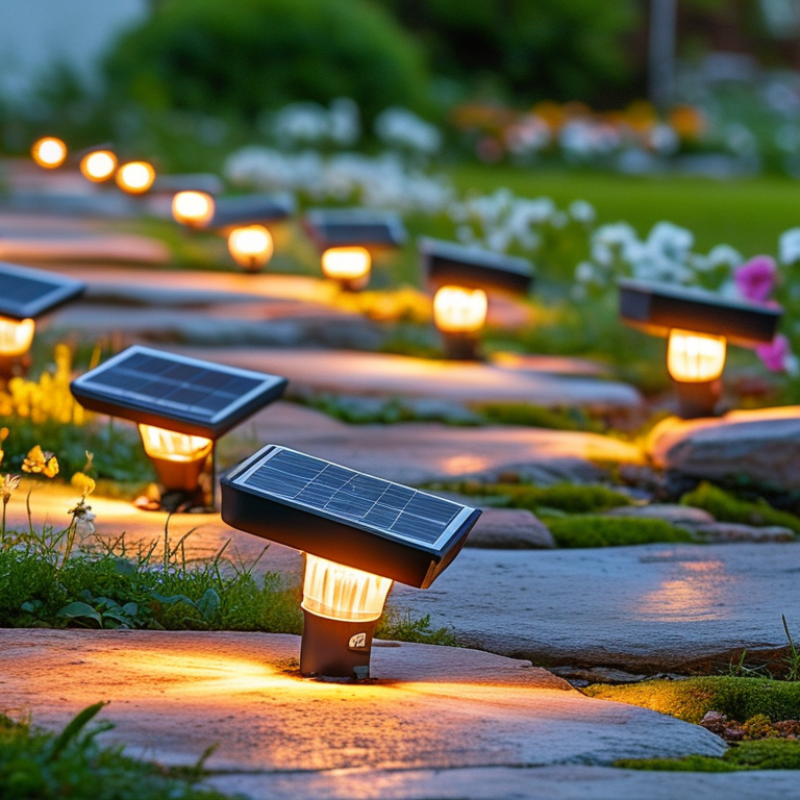
How to Install Solar Lighting in Your Garden Easily?

Choosing the Right Solar Lighting Options for Your Garden

When selecting solar lighting for your garden, consider the aesthetic and functional aspects. Choose from pathway lights, spotlights, and decorative string lights. Each option has unique benefits. Pathway lights enhance safety while guiding visitors along your walkways. Spotlights can highlight specific garden features, such as sculptures or trees. String lights add a festive touch to outdoor gatherings.

Evaluate illumination strength and battery life before making a decision. Some solar lights may not provide sufficient brightness, especially in shaded areas. It's essential to consider how much sunlight the location receives. If a light fails to charge properly, it might need relocating. Reflect on the design that matches your garden’s style. Not all lights will blend seamlessly.

Consider ease of installation as well. Some lights require simple assembly, while others may need more effort. Avoid overwhelming your garden with too many fixtures. A minimalistic approach can enhance beauty. Think about how each light contributes to the overall atmosphere. Adjustments might be necessary to achieve the perfect effect. Regularly check functionality and cleanliness, as dirt can hinder performance.

How to Install Solar Lighting in Your Garden Easily?

Lighting Type Brightness (Lumen) Battery Capacity (mAh) Installation Ease Average Price ($)
Pathway Lights 30-100 1200 Easy 20-50
String Lights 10-50 800 Moderate 15-40
Spotlights 100-300 2000 Moderate 40-100
Wall Lights 50-200 1500 Easy 30-70
Garden Stakes 20-75 1000 Very Easy 10-30

Understanding Solar Panel Efficiency Ratings and Their Impact

When thinking about solar lighting for gardens, understanding solar panel efficiency ratings is crucial. These ratings determine how well a solar panel converts sunlight into usable energy. Most solar panels have an efficiency rating between 15% and 22%. A panel with a higher rating will produce more energy in less space. This is especially important in gardens with limited sunlight.

Furthermore, it is essential to note that many factors impact a solar panel's performance. Location, shading, and weather can significantly affect how efficiently your panels work. For instance, panels installed in areas with frequent shade may underperform, leading to disappointing results. According to a 2021 report from the International Renewable Energy Agency (IRENA), solar panel performance can decline by 20% in shaded conditions.

Consumers are encouraged to research and validate efficiency ratings before making a purchase. Reputable sources provide data but can sometimes vary. Understanding these nuances helps in choosing the right products. This process involves a degree of reflection and trial and error, especially for those new to solar installations. Selecting panels solely based on ratings may overlook real-world performance issues within specific garden conditions.

Step-by-Step Guide to Proper Solar Light Placement in the Garden

When planning to install solar lighting in your garden, placement is crucial. Begin by assessing areas that need illumination. Pathways require clear lighting to ensure safety. Position lights at intervals along walkways. This not only enhances visibility but also creates a beautiful ambiance. Consider the height of your plants. Taller plants may obstruct light. Adjust placement accordingly.

Next, think about functionality. Do you want to highlight specific features? A pond or a striking tree may benefit from focused lighting. Place lights near these features for dramatic effect. Garden beds also need attention. Spreading lights evenly can help reveal the beauty of flowers and shrubs. Ensure solar panels are exposed to sunlight. This will maximize energy absorption.

Some lights may not perform well in shaded areas. Test different placements before finalizing. Adjustments might be necessary as seasons change. Observing how light reaches areas during different times of the day can offer insights. By thoughtfully placing your solar lights, you create a stunning garden atmosphere.

Calculating the Optimal Number of Solar Lights Based on Your Space

When planning the installation of solar lighting in your garden, calculating the optimal number of lights is crucial. Research by the U.S. Department of Energy suggests that solar lights need about 100 lumens per square meter for effective illumination. This means that for a garden area of 50 square meters, you'll require approximately 5000 lumens. If each solar light emits around 100 lumens, 50 lights may be necessary.

Consider the layout of your garden. Key areas to illuminate include pathways, trees, and seating areas. Spacing lights too far apart can create dark spots. However, overcrowding can make your garden look cluttered. It’s essential to find a balance. The ideal distance between solar lights is typically around 3 to 4 meters. This distance ensures optimal lighting without creating a harsh glare.

Remember, solar lights rely on sunlight for charging. Some might not perform well on cloudy days. Conducting a site assessment is vital. Observe how sunlight moves through your garden. Ensure lights are positioned where they can receive ample sunlight. Adjust the number of lights based on these observations. The goal is to create a welcoming atmosphere while maintaining functionality. Each garden is unique, so flexibility in planning is key.

Solar Lighting Installation in Your Garden

Maintenance Tips to Extend the Lifespan of Solar Garden Lights

Maintaining your solar garden lights is crucial for their longevity. Regular checks can prevent problems. Inspect the solar panels for dirt or debris. A clean surface maximizes sunlight absorption. Wipe them gently with a damp cloth. This simple habit can extend their functional life significantly.

Battery maintenance is another essential aspect. Most solar lights have rechargeable batteries. Replace them every 1-2 years, depending on usage. Weak batteries lead to dim lights. Always choose compatible batteries to avoid functionality issues. Some users forget this step, which can lead to frustration.

Consider the positioning of your solar lights. They should be placed in areas that receive ample sunlight during the day. Shaded locations will not recharge correctly. Regularly move them if you notice reduced brightness. This trial-and-error approach can help you find the best spots. Taking these maintenance steps can significantly enhance your solar garden lights' performance.

FAQS

: What types of solar lights are available for gardens?

: Options include pathway lights, spotlights, and decorative string lights. Each serves different purposes.

How do you select the right solar light for your garden?

Consider aesthetics, functionality, illumination strength, and battery life. These factors affect your choice.

Why is placement important for solar lights?

Proper placement enhances safety and ambiance. It also ensures that lights effectively illuminate key areas.

How can I avoid dark spots in my garden?

Space lights 3 to 4 meters apart. This prevents overcrowding while ensuring adequate illumination.

What should I do if solar lights don’t seem bright enough?

Check if they are in shaded areas. Relocating them to sunnier spots may improve brightness.

How often should I check solar lights?

Regularly inspect functionality and cleanliness. Dirt can hinder performance and reduce light output.

Conclusion

Installing solar lighting in your garden can significantly enhance its beauty and functionality. To begin, choosing the right solar lighting options is crucial; consider factors such as brightness, design, and battery life. Understanding solar panel efficiency ratings is also important as it impacts the performance of your lights. Next, follow a step-by-step guide for optimal placement of the lights to ensure effective illumination. Additionally, calculating the optimal number of solar lights needed based on your garden's size will help you achieve the desired ambiance without overwhelming the space.

Finally, to ensure longevity, maintenance tips such as regular cleaning and checking for obstructions can extend the lifespan of your solar garden lights. By knowing how to install solar lighting in a garden effectively, you can create a well-lit, inviting outdoor space that you can enjoy throughout the evening.

Oliver

Oliver

Oliver is a seasoned marketing professional with a wealth of expertise in driving brand awareness and engagement. With a deep understanding of our company's product offerings, he consistently delivers high-quality content that enriches our professional blog. His insights not only shed light on......