In recent years, solar lighting systems have gained significant popularity for their eco-friendliness. However, many people wonder, "what is the lifespan of solar lighting systems?" Experts in the field, like Dr. Emily Wright, a renowned solar energy researcher, provide insights into this topic. She states, "The lifespan of solar lighting systems largely depends on the quality of materials used and proper maintenance."
Typically, solar lights can last anywhere from five to 25 years. Factors influencing this include battery quality, solar panel efficiency, and environmental conditions. For example, areas with extreme temperatures may shorten lifespans.
Understanding the lifespan of these systems can be complex. While some manufacturers claim long-lasting products, real-world performance may vary. Customers should consider both initial costs and potential long-term savings. Investing in higher-quality solar lights may lead to better durability and efficiency.
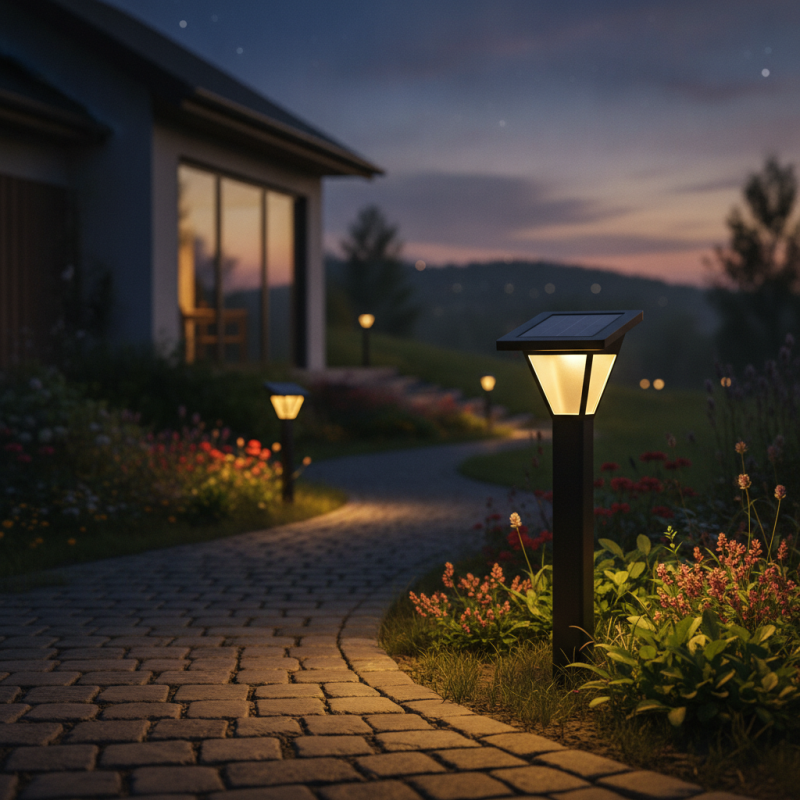
Factors Affecting the Lifespan of Solar Lighting Systems
When considering the lifespan of solar lighting systems, several factors come into play. The quality of components directly affects how long the system will function effectively. High-quality solar panels, batteries, and LED lights can extend longevity, while cheaper alternatives may fail sooner.
Environmental conditions also significantly impact lifespan. Exposure to extreme temperatures, humidity, and UV rays can degrade components. Areas with heavy rainfall might see corrosion of metal parts. Regular maintenance can mitigate some wear and tear. Keeping solar panels clean can improve efficiency and therefore lifespan.
Tips: Installing solar lights in shaded areas can reduce unnecessary heat exposure. Consider using protective casing in harsh weather. Regularly check connections for signs of wear. These simple actions can prolong the life of your solar lighting systems significantly. Balancing quality and environmental factors plays a crucial role in their durability. When used correctly, solar lighting can be a reliable and lasting option.
How Long Do Solar Lighting Systems Last?
Typical Lifespan of Various Solar Lighting Components
Solar lighting systems have become increasingly popular for outdoor spaces. Understanding the lifespan of various components helps consumers make informed decisions. Battery life is a critical factor in solar lighting systems. Most rechargeable batteries, like lithium-ion types, last between 2 to 5 years. Proper maintenance can extend their life, but temperature fluctuations can significantly impact performance.
Solar panels typically have a life expectancy of 25 years or more. They degrade slowly, meaning their efficiency diminishes over time. A well-maintained solar panel can retain about 80% of its efficiency after 25 years. Moreover, LED lights, often used in solar systems, offer remarkable durability. They generally last around 25,000 to 50,000 hours, translating to over a decade of reliable service.
However, not all systems perform optimally over time. Environmental factors like dust buildup and shading can reduce solar panel efficiency. Additionally, components like controllers may fail, leading to inconsistent performance. Regular checks can help identify and rectify these issues early, ensuring longevity. These insights are supported by industry reports emphasizing the importance of regular maintenance for maximizing the lifespan of solar lighting systems.
Maintenance Practices to Extend Solar Lighting Longevity
Solar lighting systems can serve for several years, but longevity heavily relies on maintenance practices. Regular upkeep is essential for maximizing efficiency. According to industry reports from SEIA (Solar Energy Industries Association), proper maintenance can extend the life of solar fixtures by up to 25%.
Routine inspections ensure that solar panels remain clean. Dust and debris can block sunlight, significantly reducing energy production. Cleaning panels might seem minor, but studies show a 20% efficiency drop is possible if dirt accumulates. Many systems also incorporate LED lights, which last longer than traditional bulbs. However, inspecting connections and wiring is equally crucial. Loose or corroded connections can lead to failures.
Another aspect of maintenance is battery care. Depending on the technology, batteries typically last 3 to 5 years. Conditioning batteries regularly enhances their lifespan. Monitoring charge cycles can prevent premature failures. A neglected battery might not receive adequate power, affecting the entire system. Furthermore, seasonal check-ups are a great practice to ensure optimal operation throughout the year.
Comparing Solar Lighting Lifespans to Traditional Lighting Options
When comparing solar lighting systems to traditional options, lifespan is a key factor.
Solar lights typically come with a lifespan ranging from 5 to 15 years. This duration largely depends on the quality of materials and construction.
Traditional lights often last longer, sometimes exceeding 20 years, due to sturdier components.
However, they require regular maintenance and bulb replacements.
Solar systems have a unique advantage. They do not rely on constant power sources and are relatively easy to install.
They often need minimal upkeep. Over time, solar lights may lose brightness as battery efficiency declines.
Users should be aware of this aspect, as performance can drop significantly after a few years.
On the other hand, traditional lighting can be maintained for longevity but may lead to higher energy costs.
In terms of environmental impact, solar options shine brighter.
They reduce electricity usage and carbon footprint. While they might not last as long as traditional methods,
their energy savings and eco-friendliness can make up for it. Each lighting choice presents trade-offs.
Understanding these differences aids in making an informed decision.
Signs It's Time to Replace Your Solar Lighting System
When assessing the lifespan of solar lighting systems, you may wonder about signs indicating a need for replacement. The average lifespan of solar lights ranges from three to five years, depending on the quality and maintenance. However, certain indicators can prompt a closer look at your system's performance.
One prominent sign is a noticeable decline in brightness. If your solar lights appear dimmer than before, it may indicate battery degradation. Reports suggest that lithium-ion batteries can lose up to 30% of their capacity within three years. Check the solar panel too; dirt and debris can impede charging. In fact, maintenance studies show that regular cleaning can improve efficiency by 20%.
Another compelling sign is inconsistent performance. If lights flicker or fail to turn on at dusk, the system may be malfunctioning. Components such as LEDs or control circuits can wear out. According to the International Energy Agency, 40% of solar lighting failures stem from internal component issues. Regular testing can help identify these problems early. If repairs become too frequent, it might be time to consider a replacement. Paying attention to these signs can ensure your outdoor spaces remain well-lit and safe.
How Long Do Solar Lighting Systems Last? - Signs It's Time to Replace Your Solar Lighting System
| Aspect |
Duration |
Signs of Replacement |
| Battery Life |
3-5 years |
Reduced lighting duration, longer charging times |
| LED Lifespan |
25,000-50,000 hours |
Dimming or flickering lights |
| Solar Panel Efficiency |
5-10 years |
Visible wear, dirt buildup not cleaning |
| Overall System Lifespan |
5-10 years |
Frequent malfunctions, rust or physical damage |
FAQS
: Quality of components greatly impacts longevity. High-quality panels and batteries tend to last longer.
Extreme temperatures, humidity, and UV rays can degrade components. Heavy rainfall may cause corrosion.
Most rechargeable batteries last between 2 to 5 years. Maintenance can help extend this.
Solar panels generally last over 25 years. They lose efficiency slowly over time.
Dimming lights or inconsistent performance may indicate battery or component issues needing attention.
Regular cleaning can improve efficiency by 20%. It also helps identify problems early for better longevity.
Failure can result in flickering lights or complete shutdown. Regular testing can reveal issues before they worsen.
Yes, it can reduce heat exposure, prolonging the life of solar lights significantly.
Dust buildup can impede charging, leading to reduced efficiency. Regular cleaning is essential.
Frequent repairs might suggest replacement is a better option. Evaluate performance and maintenance costs.
Conclusion
Solar lighting systems are an increasingly popular choice for outdoor illumination, but understanding what is the lifespan of solar lighting systems is crucial for effective planning and usage. The longevity of these systems is influenced by several factors, including the quality of components, environmental conditions, and maintenance practices. Typically, solar panels can last over 25 years, while batteries and LED lights may need replacement every 3 to 10 years depending on usage and care.
To extend the lifespan of solar lighting systems, regular maintenance such as cleaning panels, checking connections, and replacing batteries when necessary is recommended. When comparing solar lighting lifespans to traditional lighting options, solar systems often have a longer operational life, though their performance can diminish over time due to various wear and environmental factors. Observing signs that it's time to replace parts, such as dimming lights or reduced charging efficiency, is essential for ensuring the effectiveness of solar lighting solutions.

 GKE Power