How to Maintain Solar Lighting Systems for Long Lasting Performance?

Time:2026-08-27 Author:Sienna
0%

Solar lighting systems are becoming increasingly popular for their energy efficiency and environmental benefits. However, many users struggle to understand how to maintain solar lighting systems effectively. According to John Carter, a leading expert in renewable energy solutions, “Regular maintenance is crucial for the longevity of solar lighting systems.” His insights highlight the importance of proactive care.

To ensure optimal performance, several factors must be considered. Regularly clean the solar panels to maximize sunlight absorption. Dust and debris can significantly reduce efficiency. Inspect batteries for any signs of wear and tear. Replace them when necessary to avoid decreased lighting performance. This attention to detail can make a noticeable difference in system longevity.

Some users may overlook these maintenance tasks until issues arise. However, neglect can lead to costly repairs or system failure. Reflecting on experiences can provide valuable lessons. Users should prioritize routine checks and stay informed about their systems. Proper maintenance not only enhances brightness but also extends the overall lifespan of solar lighting systems.
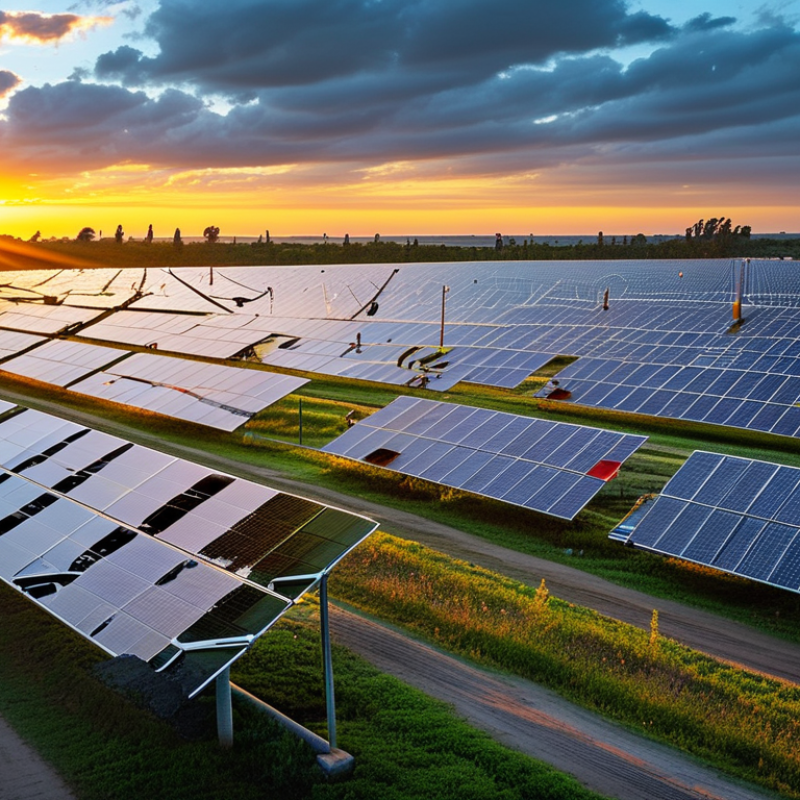
How to Maintain Solar Lighting Systems for Long Lasting Performance?

Understanding the Components of Solar Lighting Systems

Understanding the components of solar lighting systems is crucial for effective maintenance. These systems typically include solar panels, batteries, and LED fixtures. Each element plays a distinct role in overall performance.

Solar panels capture sunlight and convert it into electricity. Their efficiency can diminish due to dirt, debris, or shading. A study by the National Renewable Energy Laboratory highlights that even a small amount of dirt can reduce solar panel efficiency by up to 25%. Regular cleaning is essential to maintain optimal function.

Batteries store the generated electricity, and their lifespan can vary significantly. According to a report from the International Energy Agency, lithium-ion batteries tend to last between 5 to 15 years. Environmental factors, such as temperature and humidity, can impact this range. It's important to note that even the best batteries will show degradation over time.

LED fixtures consume less power and have longer lifespans compared to traditional bulbs. However, they can also fail due to voltage fluctuations or poor connections within the system. Regular inspections and voltage checks can help prevent failures. Understanding these components ensures that solar lighting systems can provide consistent performance over the years.

Regular Cleaning and Maintenance of Solar Panels

Regular cleaning and maintenance of solar panels is crucial for their long-lasting performance. Dust, dirt, and debris can accumulate on the panels, reducing their efficiency. It's important to plan for cleaning at least twice a year, especially in regions with heavy rainfall or dust storms. Keep an eye on the angle of the panels; they may need maintenance if not positioned correctly.

Ensure that you use soft cloths or sponges when cleaning the surfaces. Avoid harsh chemicals that could damage the panels. Using distilled water can prevent mineral buildup. After cleaning, inspect for any damages like cracks or loose wiring. These issues can affect performance and may require professional help.

Monitor your solar system’s output regularly to catch any drops in efficiency early. This proactive approach can save time and money in the long run. If you notice a significant decrease, it may indicate more serious maintenance is needed. Regular check-ups will help ensure the longevity of your system. Don't overlook the importance of maintaining the surrounding area as well; overgrown vegetation can shadow the panels, impacting their energy absorption.

Battery Care: Tips for Longevity and Performance

Battery care is crucial for the longevity and performance of solar lighting systems. Regular maintenance ensures that batteries remain charged and function efficiently. One simple practice is to keep the battery terminals clean. Dirt and corrosion can prevent proper connections. Use a soft cloth or a mixture of baking soda and water to clean them.


Temperature variations can also impact battery health. Store and operate batteries in environments with stable temperatures. Extreme heat or cold can drain battery life faster than expected. Consider checking the voltage regularly. If it drops significantly, it may indicate the need for replacement.


It's important to keep an eye on the usage patterns. Overuse or frequent deep discharges can shorten battery lifespan. Maintain a consistent charging schedule. Also, consider seasonal adjustments in usage as sunlight hours change. Each of these small actions can make a significant difference over time. A little diligence now can lead to better performance later.

Troubleshooting Common Issues in Solar Lighting Systems

Troubleshooting common issues in solar lighting systems can greatly enhance their performance and lifespan. One frequent problem is diminished brightness. This can often be traced back to a dirty solar panel. Regular cleaning is essential. Dust, leaves, and debris block sunlight. Even a small amount can reduce efficiency. Use a soft cloth or sponge, and avoid harsh chemicals.

Another concern involves battery performance. If your lights are flickering or not turning on at all, the battery may be failing. Check for corrosion on terminals. Ensure connections are secure. Over time, batteries can lose charge capacity. It’s important to replace them according to the manufacturer's recommendations. Monitoring the lifespan of the battery is crucial for optimal performance.

Wiring issues can also cause problems. Loose wires or damaged connections reduce output. Inspect the wiring frequently, especially in harsh weather conditions. Look for any signs of wear, such as fraying or cracking. Addressing these issues proactively can save you time and money in the long run. Understanding these common problems empowers you to maintain your solar lighting effectively.

Upgrading and Storing Solar Lighting Systems for Seasonal Use

Seasonal changes can greatly impact the performance of solar lighting systems. Proper storage and maintenance are crucial to ensure these systems work efficiently throughout the year. According to recent industry reports, neglecting to properly store solar lights can lead to a 30% reduction in effectiveness. This emphasizes the need to prepare solar lights ahead of seasonal shifts.

When winter arrives, it's vital to store solar lights in a dry, cool place. Dust and moisture can corrode connectors, reducing performance. Charged panels should be cleaned regularly to optimize energy absorption. This can be done with a soft cloth and soapy water, ensuring no debris impedes sunlight entry.

For extended periods of non-use, disconnect batteries to prevent leakage. Storing batteries in a controlled environment can enhance their lifespan by up to 50%. Consider placing solar lights in strategic areas during the warmer months to maximize sunlight exposure. Remember to test functionality before storage. Regular checks can reveal issues that could affect performance later. Keeping a maintenance log might be useful to track condition and any repairs needed over time. Following these guidelines ensures a more reliable experience with solar lighting systems and can prevent unexpected failures when they are needed most.

FAQS

: How often should I clean my solar panels?

: Clean your solar panels at least twice a year, especially in dusty areas.

What materials should I use for cleaning?

Use soft cloths or sponges to clean the panels. Avoid harsh chemicals.

What can dirt on panels cause?

Accumulated dirt can block sunlight, reducing the efficiency of the panels.

How do I know if my solar system needs maintenance?

Regularly monitor the output. A significant decrease may indicate the need for maintenance.

What should I check after cleaning panels?

Inspect for damages like cracks or loose wiring that could affect performance.

Why is battery performance important for solar lights?

Battery performance affects brightness. Faulty batteries may need secure connections or replacement.

What signs indicate wiring issues?

Look for loose wires or damaged connections that can reduce system output.

Can overgrown vegetation affect solar panels?

Yes, overgrown plants can shadow panels and impact their energy absorption.

What can I do if lights flicker?

Check the battery for corrosion and ensure all connections are secure.

How does regular maintenance save money?

Proactive maintenance prevents larger issues, which can be more costly to fix later.

Conclusion

Maintaining solar lighting systems is crucial for ensuring their long-lasting performance. To understand how to maintain solar lighting systems effectively, one must first familiarize themselves with the essential components involved, including solar panels, batteries, and fixtures. Regular cleaning and maintenance of solar panels are necessary to maximize efficiency and energy absorption. Additionally, proper battery care is vital for enhancing longevity and ensuring optimal performance; this includes monitoring charge cycles and keeping connections clean.

Troubleshooting common issues such as dim lights or malfunctioning sensors can help identify potential problems early on. Furthermore, considering seasonal upgrades and appropriate storage practices for solar lighting systems can significantly extend their lifespan and functionality. By implementing these strategies, users can enjoy the benefits of solar lighting year-round while safeguarding their investment.

Sienna

Sienna

Sienna is a skilled marketing professional with a deep expertise in our company’s core products and services. With a passion for innovation and detail, she plays a pivotal role in crafting insightful blog posts that not only highlight the unique features of our offerings but also provide valuable......