Solar lighting systems are an excellent choice for sustainable energy solutions. However, to ensure their longevity and efficiency, proper maintenance is crucial. Many users overlook the importance of regularly checking these systems. Understanding how to maintain solar lighting systems can lead to better performance and extended lifespan.
Regular inspections are essential. Check for dirt on solar panels, as dust can significantly reduce energy absorption. Additionally, ensure that the batteries are in good condition. A well-maintained battery ensures consistent performance at night. Some users may underestimate the importance of keeping the lights clean and free from obstructions.
Moreover, staying informed about the latest technologies can help improve efficiency. Solar lighting systems evolve, often with better materials and designs. Engaging with community forums can also provide valuable insights. Users can share their experiences and tips. This sharing fosters a better understanding of maintenance practices. Ultimately, consistent care is key to maximizing the benefits of solar lighting systems.
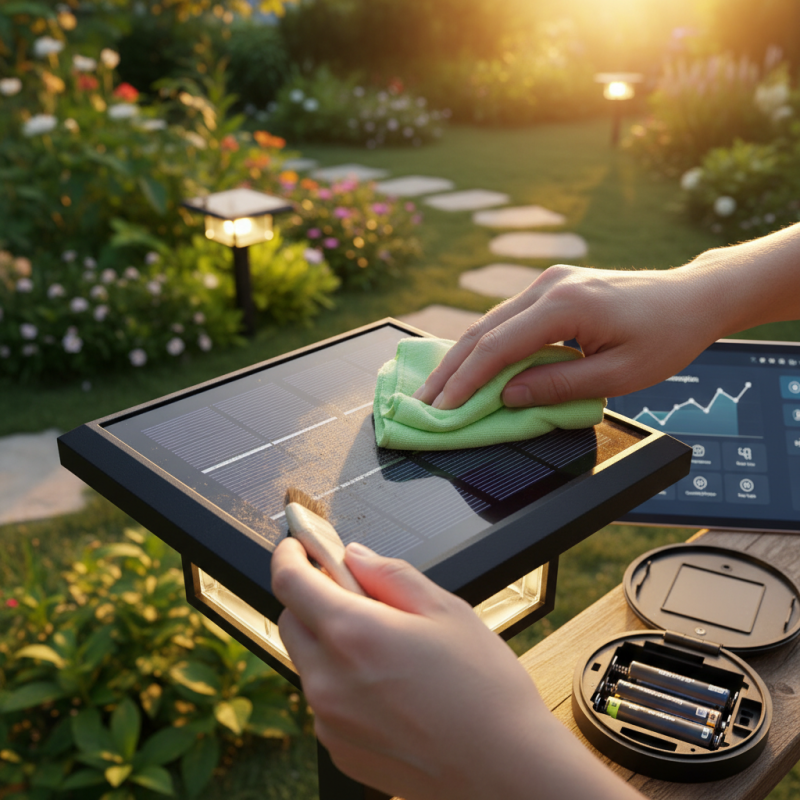
Solar lighting systems consist of several key components that work together to provide efficient illumination. Understanding these components is essential for proper maintenance and longevity. The primary elements include solar panels, batteries, LED lights, and charge controllers. Each plays a vital role in the overall functionality of the system.
Solar panels convert sunlight into electricity. They are typically made of silicon cells. Keeping them clean is crucial for optimal performance. Dirt and debris can lower their efficiency. An annual inspection, coupled with regular cleaning, can make a significant difference.
Batteries store energy for use during the night. Lithium-ion and lead-acid types are common. They require monitoring to ensure they charge and discharge correctly. Overcharging or deep discharging can reduce their lifespan significantly. Regular checks can prevent unexpected failures.
LED lights are renowned for their energy efficiency. However, they will dim over time. Consider replacing them every few years. Charge controllers regulate the flow of electricity between the solar panel and the battery. Faulty controllers can disrupt the whole system. Testing them periodically can save you headaches in the long run.
Regular cleaning of solar panels is crucial for optimal performance. Dirt, dust, and debris accumulate over time, blocking sunlight. This can reduce energy production significantly. In many cases, a simple rinse with water can do wonders, especially after heavy rainfall. Using soft brushes helps to ensure that panels remain scratch-free while being cleaned.
Additionally, regular inspections are essential. Small damages can turn into significant issues if neglected. Look for cracks or signs of wear. If you notice an anomaly, consulting a professional is wise. It’s easy to dismiss minor issues until they escalate.
Maintaining solar panels isn’t just about efficiency; it's also about sustainability. Neglected systems waste energy. Environmentally conscious homeowners should feel a responsibility to care for their installations. Learning about proper maintenance practices empowers users. It builds a connection to technology and the environment. There’s always room for improvement in maintenance practices. Reflecting on what works well and what doesn't is part of the process.
Troubleshooting common issues in solar lighting systems is crucial for maintaining efficiency. One frequent problem is insufficient light output. This may occur due to dirt on the solar panel. Regular cleaning can drastically improve performance. Use a soft cloth and mild soap. Avoid abrasive materials that could scratch the surface.
Another issue might be a faulty battery. Over time, batteries can lose their capacity. If your lights flicker or don’t stay lit, check the battery health. Replacing old batteries can enhance system effectiveness. Ensure you're using compatible batteries to avoid further complications.
Wiring issues can also disrupt functionality. Loose connections or damaged cables prevent proper current flow. Inspect connections periodically, and look for signs of wear. Addressing these problems promptly ensures your solar lighting system functions optimally. Sometimes, systems may require more than simple solutions. Reflecting on usage patterns could reveal underlying inefficiencies. Regular maintenance checks will go a long way in preventing future issues.
Seasonal adjustments are crucial for maintaining the efficiency of solar lighting systems. As sunlight intensity shifts throughout the year, the angle at which solar panels receive light also changes. A study by the U.S. Department of Energy indicates that optimizing panel angle can enhance energy capture by up to 25%. This means, as seasons change, it’s essential to adjust your solar lighting systems to ensure maximum exposure.
Regularly checking the positioning of your solar panels is vital. In winter, lower sun angles mean panels that might work well in summer could be less effective. Cleaning the panels regularly can also boost their performance. Dust and debris can reduce efficiency by 15%. Even slight shading can have a significant impact, leading to efficiency losses. Users often overlook these factors, resulting in poor system performance.
Monitoring the battery’s condition is equally important. Extreme temperatures can affect battery life significantly. According to the National Renewable Energy Laboratory, batteries can lose 20% of their capacity in very cold conditions. Seasonal monitoring allows for timely replacements, ensuring your solar lighting remains effective all year round. Embracing these adjustments will help prolong the lifespan of your solar system.
Monitoring battery health is critical for optimizing solar lighting systems. A well-maintained battery ensures long-term efficiency and performance. According to the Solar Energy Industries Association, approximately 30% of solar systems fail prematurely due to battery issues. Regular inspections can prevent these failures.
It’s important to check the state of charge and the depth of discharge regularly. A fully charged battery should not exceed 80% depth of discharge. Over-discharging leads to reduced lifespan. IEEE standards recommend monitoring battery temperature and electrolyte levels, if applicable. This often overlooked detail can significantly affect a battery's performance.
Investing in a battery management system can provide real-time data on battery health. These systems alert users to potential issues before they escalate. However, even with such systems, users must remain vigilant. Simple actions like cleaning terminals can prevent corrosion. A proactive approach can ensure that solar lighting systems deliver optimal performance for years to come.
: Regular cleaning removes dirt and debris, ensuring optimal sunlight exposure and improving energy production.
A simple rinse with water can effectively clean the panels, especially after rainfall.
Small cracks or wear can lead to significant issues if neglected. Regular inspections can catch these early.
Consult a professional if you notice any anomalies; it’s better to address minor issues promptly.
Regular cleaning of solar panels and checking battery health can significantly improve performance.
Dust, shading, and the angle of the panels can all negatively impact efficiency.
Check the battery health, as old batteries may need replacement to maintain effectiveness.
Adjusting the angle of solar panels ensures maximum light exposure throughout the year.
Extreme temperatures can reduce battery capacity significantly, impacting overall performance.
Consider what maintenance practices are effective and what areas need improvement for better system management.
To effectively understand how to maintain solar lighting systems, it is essential to grasp the key components that make up these systems, such as solar panels, batteries, and lighting fixtures. Regular cleaning and maintenance practices, including the removal of dirt and debris from solar panels, can significantly enhance their efficiency. Additionally, troubleshooting common issues like dim lighting or battery failure is crucial for prolonged functionality.
Seasonal adjustments are also important to ensure optimal solar exposure, accounting for changes in sun angle and duration of sunlight throughout the year. Monitoring battery health is vital for maintaining long-term efficiency, as batteries are key to storing energy for nighttime use. By following these guidelines on how to maintain solar lighting systems, you can ensure a sustainable and efficient lighting solution that lasts for years.
GKE Power