Solar lights are becoming increasingly popular as an eco-friendly lighting solution. However, many users often wonder, "why are solar lights not charging properly?" According to a 2022 report by the Solar Energy Industries Association, consumers need to understand the factors affecting solar charging efficiency. This understanding is crucial for making informed purchasing decisions.
One common issue is inadequate sunlight exposure. A study by the National Renewable Energy Laboratory shows that solar panels require at least 4-6 hours of direct sunlight for optimal charging. Environmental factors like shade from trees or buildings can significantly reduce charging efficiency. Additionally, dirt and debris on solar panels can block sunlight, further complicating the problem.
Battery health also plays a vital role. A 2021 report revealed that nearly 30% of solar garden light users experienced battery failures within the first two years. This statistic highlights the need for regular maintenance and checks. Understanding these issues is key to maximizing the benefits of solar technology. By delving into the reasons why solar lights may not be charging properly, consumers can take proactive steps to mitigate these problems and enhance performance.
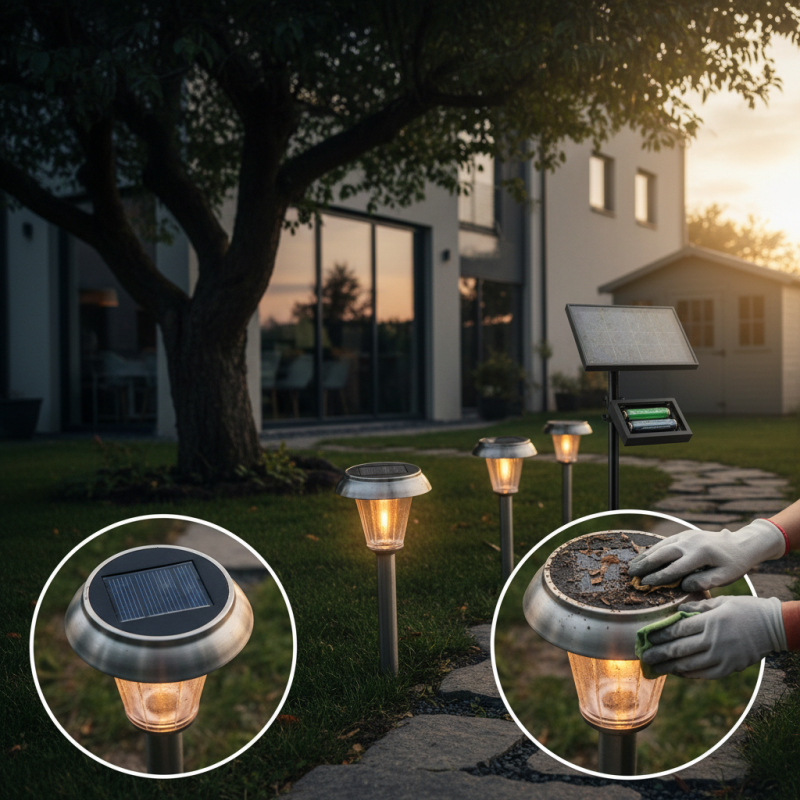
Solar lights are a popular choice for outdoor illumination, yet many users face charging issues. Understanding the common causes can help pinpoint the problem. One major factor is insufficient sunlight. If the solar panel is shaded by trees or structures, it won't absorb enough energy. Look around your lighting fixtures. Ensure they are placed where they receive direct sunlight for several hours each day.
Another culprit could be dirty solar panels. Dust, dirt, and debris accumulate over time, blocking sunlight. A simple cleaning can often restore functionality. Use a soft cloth and a gentle detergent. Avoid harsh chemicals that might damage the surface. Remember, regular maintenance goes a long way.
Battery problems are also significant. Over time, solar batteries degrade, reducing their ability to hold a charge. If your lights flicker or turn off early, it could be time for a battery replacement. Look for corrosion or leaks in the battery compartment. When replacing batteries, consult a reliable source for the right type.
Cloud cover significantly impacts the efficiency of solar charging. A thick layer of clouds can block sunlight, reducing the intensity of light that reaches solar panels. Even partly cloudy days can lead to inconsistent charging. This results in fewer hours of effective solar energy capture. Consequently, outdoor solar lights may fail to illuminate properly at night.
Weather patterns also play a crucial role. Rain and storms not only cloud the skies but can also carry dust and debris that settle on solar panels. These obstructions can limit the amount of sunlight absorbed. Moreover, continuous rain over several days leads to reduced energy generation. This can leave users frustrated when solar lights don’t function as expected.
Understanding these factors is essential for users relying on solar energy. Adjusting expectations during certain weather conditions may help mitigate disappointment. Regular maintenance of solar panels is also important. Clean panels can capture more sunlight during brief sunny intervals. Recognizing these nuances allows for a more realistic approach to solar-powered solutions.
| Reason | Impact of Cloud Cover | Weather Patterns | Charging Efficiency (%) |
|---|---|---|---|
| Insufficient Sunlight | High cloud cover can significantly reduce solar light exposure. | Rainy or overcast days limit sunlight. | 20% |
| Orientation and Tilt | Incorrect angle can capture less sunlight. | Storms may change position of lights. | 50% |
| Dirt and Obstruction | Heavy cloud cover can wear dirt from the panels. | Dust accumulation increases with dry weather. | 30% |
| Battery Age | Old batteries perform poorly in cloudy conditions. | Extreme weather can reduce lifespan. | 60% |
| Location | Shaded areas get less light. | Changes in weather can affect tree growth. | 40% |
When discussing solar lights, battery quality and capacity play critical roles in their performance. The type of battery used can significantly impact how well solar lights charge. Low-quality batteries may charge slower and lose power quickly. This results in inadequate illumination during the night. Lithium batteries are often preferred due to their longer lifespan and efficiency compared to cheaper alternatives.
Capacity is also essential. A higher capacity battery stores more energy, enabling longer nighttime operation. However, if the solar panel doesn't capture enough sunlight during the day, even a high-capacity battery will fail to perform well. It is important to regularly check the panels for debris or dirt that might block sunlight. Sometimes, misalignment or shading from nearby trees can limit the efficiency of solar lights.
Additionally, battery maintenance should not be overlooked. Over time, batteries degrade and can fail to hold a charge. This degradation can lead to intermittent performance, making it necessary to replace batteries periodically. Evaluating both battery quality and capacity offers insights into why solar lights may struggle to charge properly. Understanding these aspects can help users make informed decisions, ensuring their solar lights operate effectively.
When it comes to solar lights, proper orientation and placement of solar panels play critical roles in their efficiency. A study by the National Renewable Energy Laboratory highlights that solar panels can lose up to 25% of their efficiency if not optimally positioned. Positioning panels towards the sun, often south-facing in the Northern Hemisphere, maximizes sunlight absorption. Neglecting this simple step can lead to underwhelming performance.
Consider the angle as well. Panels should be tilted at an angle that matches your geographical latitude, ensuring they capture the most sunlight during the day. Reports indicate that a tilt of approximately 30 to 45 degrees yields optimal results. Additionally, shaded areas, even from nearby trees or structures, can significantly reduce charging efficiency. Light obstruction can transform your solar setup into a disappointment. Regularly assessing and adjusting the surroundings is essential.
The location matters. Even the best solar lights will falter if not placed where they receive adequate sunlight. This often requires a bit of trial and error. Don't be afraid to move your solar lights around to find the perfect spot. Each environment is unique, and what works for one location may not work for another. Ultimately, understanding these specifics can enhance solar light performance. A thoughtful approach to placement can avoid the common pitfalls that lead to undercharging issues.
Dust and debris can significantly impair the efficiency of solar panels. When dirt accumulates on the surface, it blocks sunlight, preventing optimal energy absorption. Even a thin layer of dust can reduce output by 20% or more. This problem is especially prevalent in arid areas or regions with heavy seasonal pollen.
Regular maintenance is essential. Cleaning the panels can greatly improve their performance. Use a soft cloth or sponge with mild soap and water. Avoid harsh chemicals as they can damage the panels. Timing matters, too. Clean during the cooler parts of the day to prevent residue from drying quickly.
Here’s a tip: consider installing solar lights in areas less prone to dust accumulation. Keep surrounding plants trimmed to reduce falling leaves and debris. Position solar lights away from structures that may cast shadows. The goal is to maximize sunlight exposure and maintain efficiency.
: Insufficient sunlight may be a reason. Ensure your solar panels are not shaded by trees or structures.
If they look dusty or have debris, it's possible. Cleaning them can improve their performance significantly.
Use a soft cloth and gentle detergent. Avoid harsh chemicals that can damage the surface of the panels.
Batteries degrade over time. If lights flicker or turn off early, it’s likely time for a replacement.
Aim for south-facing placement in the Northern Hemisphere. Angle them to match your geographical latitude for efficiency.
A tilt of about 30 to 45 degrees is ideal. This ensures maximum sunlight capture throughout the day.
Yes, trees or structures that create shade will reduce efficiency. Regular assessment can help avoid these issues.
Absolutely. Each environment is different, so some trial and error is often necessary.
Corrosion indicates potential battery issues. Check and replace the batteries if needed to maintain performance.
Improperly positioned panels can lose up to 25% efficiency. Proper orientation is crucial for optimal charging.
In addressing the question of why are solar lights not charging properly, it is essential to understand several common factors that impact their performance. One significant cause includes the effect of cloud cover and adverse weather patterns, which can drastically reduce solar charging efficiency. Additionally, the quality and capacity of the batteries used in solar lights play a vital role in determining how effectively they function.
Moreover, proper orientation and placement of solar panels are crucial for optimal charging; even slight misalignments can hinder performance. Furthermore, the accumulation of dust and debris on solar panels can impede their efficiency, leading to inadequate charging. By considering these elements, users can better understand the operational challenges of solar lighting and take steps to enhance their performance.

GKE Power