Solar lights offer an eco-friendly and cost-effective lighting solution. However, many users often wonder, "why do solar lights stop working over time?" According to Dr. Emily Carter, an expert in renewable energy, “The efficiency of solar lights can diminish due to various factors.” Understanding these factors is essential for homeowners and businesses alike.
Over time, components of solar lights wear out. Discoloration of solar panels occurs due to UV exposure, reducing light absorption. Battery degradation is another significant issue. It limits energy storage, leading to shorter illumination periods. Furthermore, environmental factors like dust and debris can accumulate on solar panels. This reduces their overall effectiveness.
Even with regular maintenance, some homeowners still face challenges. Some users neglect to replace batteries or clean panels consistently. Others may invest in lower-quality products that don’t last long. Reflecting on these aspects can lead to better choices in solar lighting, ensuring longevity and optimal performance.
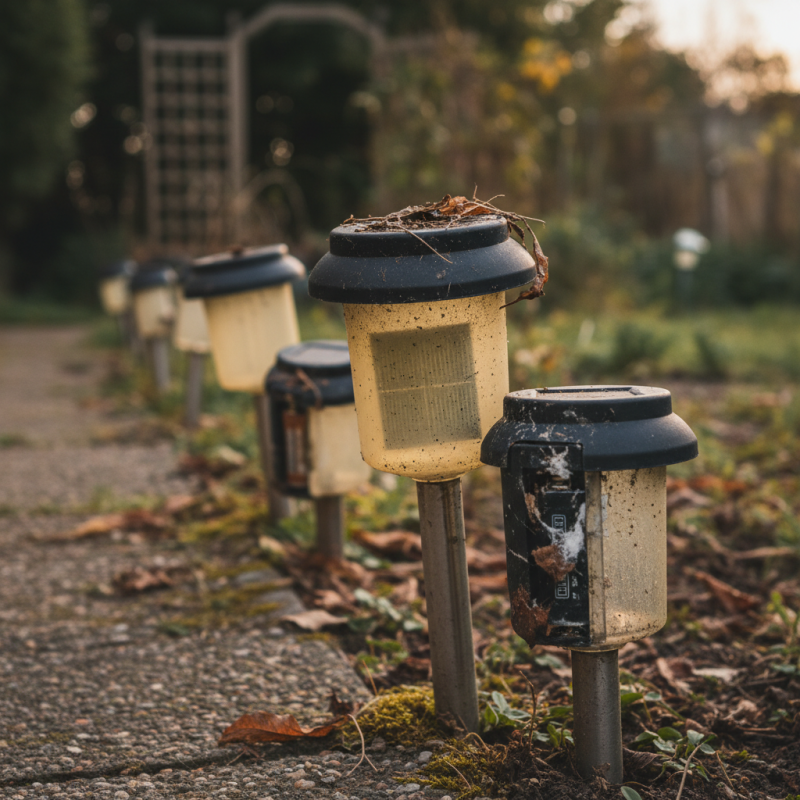
Common Causes of Solar Light Malfunction
Solar lights are a popular choice for outdoor illumination. However, they often stop working over time. Understanding the common causes of malfunction can help ensure a better investment in solar technology.
One major reason for failure is the degradation of solar panels. A study from the National Renewable Energy Laboratory found that solar panels can lose up to 20% of their efficiency within 25 years. Dust and debris can accumulate, blocking sunlight. This accumulation reduces the energy harnessing capacity significantly. Regular cleaning is essential to maintain optimal performance.
Another issue is battery failure. Most solar lights use rechargeable batteries that have a limited lifespan. Typically, batteries perform effectively for 2-4 years. Over time, they might not hold a charge as well. This leads to dim lighting or complete failure. Consider checking the batteries regularly, as replacing them can restore functionality quickly. Additionally, look out for internal wiring issues. Loose or corroded connections can hinder performance and create safety hazards. Addressing these common problems can prolong the life of solar lights, maximizing their benefits for your outdoor space.
Impact of Weather Conditions on Solar Light Longevity
Weather conditions play a crucial role in determining the longevity of solar lights. Extreme temperatures can affect battery performance significantly. According to a study by the National Renewable Energy Laboratory, solar batteries have optimal operation between 50°F and 80°F. Beyond this range, efficiency drops. Consistent exposure to high heat can even lead to swelling or leakage in batteries.
Additionally, heavy rain and snow can degrade solar components. Moisture seeping into the fixtures may cause electrical short circuits. The Solar Energy Industries Association reports that over 20% of solar light failures are attributed to water damage. Prolonged exposure to humidity can also promote rust in metal parts. Builders often underestimate the impact of weather variability. Over time, these environmental stresses can diminish solar lights' performance.
Dust, dirt, and debris on solar panels can also reduce their effectiveness. Regular cleaning is often overlooked, yet it is essential. Research indicates that a mere 5% blockage can reduce energy absorption by over 20%. Solar lights demand periodic maintenance to ensure they function correctly. Acknowledging these challenges helps consumers make informed choices regarding solar lighting options.
Battery Degradation: A Key Factor in Solar Light Performance
Battery degradation plays a crucial role in the performance of solar lights. Over time, the rechargeable batteries lose their ability to hold a charge. This gradual decline impacts how long the lights can illuminate each night. Most solar lights use nickel-metal hydride (NiMH) or lithium-ion batteries. Both types have a finite number of charge cycles. After repeated use, their capacity diminishes, often leading to dimmer lights or complete failure.
Several factors can accelerate battery degradation. Extreme temperatures, for instance, can hinder battery life significantly. Heat causes batteries to degrade faster, while excessive cold can impair their function. Regularly cleaning solar panels is also essential, as dirt and debris can block sunlight, affecting the charging process. If left unchecked, these small issues can lead to reduced performance over time. Many users overlook these details and end up disappointed when their solar lights stop working.
It’s important to acknowledge that batteries are not the only factor affecting solar light longevity. Although maintenance plays a role, environmental elements can also contribute. Heavy rainfall, humidity, and snow can impact the entire unit's performance. Understanding these nuances can help users troubleshoot problems and extend the life of their solar lights. Regular checks and awareness of surrounding conditions are vital for maximizing battery efficiency.
10 Reasons Why Solar Lights Stop Working Over Time
Dirt and Debris Buildup Affecting Solar Panels
Solar lights provide an eco-friendly way to illuminate outdoor spaces. However, many users find their solar lights failing to operate over time. One significant factor contributing to this issue is the buildup of dirt and debris on solar panels. These surfaces directly absorb sunlight, powering the lights. When covered in grime, their efficiency plummets.
Even a thin layer of dust can block sunlight. In rainy areas, mud can mix with water, creating a sludge that clings to the panels. Leaves and pollen further complicate things. Users often overlook these details. Regular cleaning is essential to maintain optimal performance. Without proper attention, solar lights may dim or stop working altogether.
Poor maintenance can lead to unexpected outages. If users neglect solar panel upkeep, they may face frequent replacements. Taking a few moments to wipe down the panels ensures a long lifespan. Reflecting on this simple task can prevent big inconveniences. Solar lights thrive on sunlight, so a clean panel is vital for their function.
Technological Limitations: Understanding Solar Light Designs
Solar lights have become increasingly popular for outdoor lighting. However, many users experience issues over time. Understanding the technological limitations behind these designs can shed light on their longevity.
Solar lights generally consist of solar panels, batteries, LEDs, and controllers. The efficiency of each component significantly affects overall performance. Poor battery quality can lead to reduced energy storage and shorter lifespans. Many consumers overlook this aspect, assuming all components are equal.
Weather conditions also play a crucial role. Constant exposure to rain, snow, and extreme temperatures can wear down the materials. Solar panel efficiency drops when dirt and debris accumulate. Additionally, some designs may not effectively harness sunlight in shaded areas.
Recognizing these flaws is essential for improving maintenance and ensuring better functionality. Fixing these issues often requires a deeper understanding of the technology involved.
FAQS
: Batteries lose charge capacity over time due to repeated use. Extreme temperatures also accelerate this degradation.
Extreme heat speeds up degradation, while excessive cold can impair battery function. Both conditions can lead to poor performance.
Dirt and debris block sunlight, causing solar lights to charge poorly. Regular cleaning ensures optimal performance and longevity.
Even a thin layer of dust can significantly reduce their efficiency. This can lead to dim lights or complete failure.
Neglecting cleaning and upkeep can lead to unexpected outages and frequent replacements. This simple task can prevent bigger issues.
Heavy rainfall, humidity, and snow can affect overall functionality. Users should be aware of weather conditions for better maintenance.
No, poor battery quality can reduce energy storage. Each component's efficiency differs, affecting the overall performance.
Users may face diminished performance and shorter lifespans. Understanding these issues aids in better maintenance and functionality.
Regular cleaning and understanding environmental impacts are crucial. A clean solar panel and proper care enhance battery efficiency.
Conclusion
Solar lights are a popular choice for outdoor illumination, but many users often wonder, "why do solar lights stop working over time?" There are several common causes for this phenomenon. Weather conditions, such as extreme temperatures, rain, and snow, can significantly impact the longevity of solar lights. Additionally, battery degradation plays a crucial role, as the performance and efficiency of solar batteries diminish over time, leading to inadequate power storage.
Furthermore, dirt and debris buildup on solar panels can obstruct sunlight absorption, thus reducing the overall effectiveness of the lights. Lastly, the technological limitations inherent in solar light designs may contribute to their gradual decline. Understanding these factors can help users maintain their solar lights effectively and prolong their functionality.

 GKE Power