In recent years, the demand for sustainable energy solutions has surged, especially in remote areas. Solar lighting has emerged as a top choice for these regions due to its numerous advantages. According to the International Energy Agency, around 1 billion people lack access to electricity. This stark reality highlights the urgent need for accessible and renewable energy solutions.
Dr. Emily Chen, an expert in renewable energy systems, states, “Solar lighting is suitable for remote areas because it offers reliable illumination without the extensive infrastructure of traditional power.” This aligns with studies that emphasize solar lighting's cost-effectiveness and minimal maintenance requirements. These factors make solar solutions an ideal alternative where conventional electricity options are either unavailable or too costly.
Moreover, solar lighting enhances safety and security in isolated communities. It enables night-time activities and reduces reliance on harmful kerosene lamps which contribute to health hazards. Despite some challenges, such as initial setup costs and technological adaptability, the push for solar lighting continues to grow. It demonstrates the ongoing efforts to empower rural populations while promoting environmental sustainability. The question remains: how can we further improve solar technology?
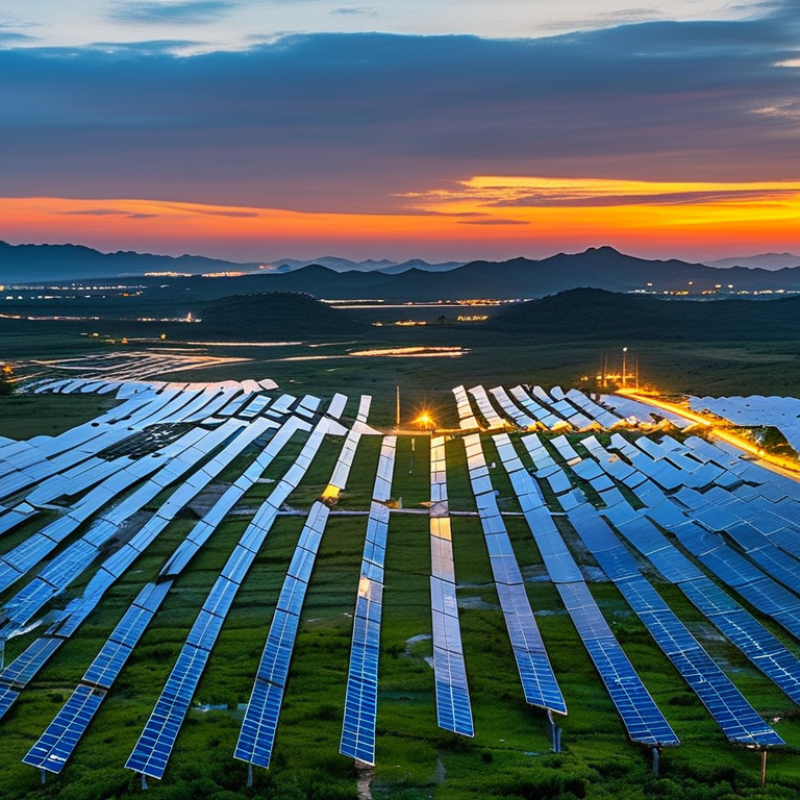
Benefits of Solar Lighting in Remote Locations
Solar lighting presents a practical solution for remote areas lacking reliable electricity. It relies on renewable energy, making it eco-friendly and cost-effective. These systems function without extensive infrastructure. They illuminate homes, streets, and workplaces, enhancing safety and productivity.
In remote regions, maintenance can be tricky. Solar lights often need minimal upkeep, which is beneficial. Opting for durable models ensures longevity and reliability. Regular checks can help ensure they operate efficiently.
When planning solar lighting installations, consider the sun’s exposure. Evaluate which locations receive adequate sunlight throughout the year. Effective positioning maximizes energy absorption. Consulting with experts can also refine your setup, enhancing performance.
Solar lighting is not merely a tool; it’s a catalyst for change in underserved communities.
Cost-Effectiveness of Solar Solutions for Isolated Communities
In remote areas, solar lighting presents a unique solution. It offers cost-effective energy for isolated communities. According to the International Renewable Energy Agency (IRENA), the use of solar energy can save communities up to 90% on electricity costs. Many remote areas lack access to traditional power grids. Solar solutions eliminate the expense of extending these grids.
Investment in solar lighting can be substantial, but it pays off. Initial costs typically range from $100 to $200 per unit, depending on capacity and design. However, once installed, maintenance costs are minimal. A report by the World Bank states that solar systems can provide reliable power for over 25 years with proper care. This long lifespan makes solar lighting more attractive, especially when compared to often unreliable diesel generators.
The environmental impact of solar lighting is also significant. Fossil fuel dependency decreases, reducing carbon emissions. Some remote areas still rely heavily on fossil fuels, which can be costly and harmful. Transitioning to solar not only alleviates these concerns but can also create local jobs in installation and maintenance. While challenges exist, such as upfront investment and initial awareness, the benefits of solar lighting are undeniable.
Independence from Traditional Electricity Sources
Solar lighting offers a remarkable solution for remote areas, promoting independence from traditional electricity sources. In regions where power infrastructure is lacking, solar energy delivers reliable illumination. This self-sufficiency is essential for communities that often experience power outages or have no access to the grid.
Using solar lights enhances safety. Streets and pathways illuminated by solar energy help people move around safely at night. Solar lights are usually easy to install, requiring minimal maintenance. They harness sunlight during the day, storing energy in batteries for nighttime use. This setup is empowering and cost-effective in the long run.
Tip: Consider the specific needs of your area. Assess the average sunlight hours. Calculate how many solar lights you need for sufficient coverage.
One downside is the initial installation cost. While solar lighting saves money over time, upfront expenses can be a barrier. Communities may need funding support to implement these systems. Also, the performance can vary in rainy or cloudy conditions, requiring careful planning.
Tip: Research different solar light models. Look for those designed for harsh weather to ensure durability and efficiency.
Environmental Impact of Solar Lighting in Remote Areas
In remote areas, solar lighting has a significant environmental impact. According to the International Renewable Energy Agency (IRENA), about 1.2 billion people lack access to electricity.
Solar lighting can bridge this gap. It offers clean energy solutions and reduces reliance on fossil fuels. Traditional lighting methods often release harmful emissions.
Solar lighting combats this problem.
Research shows that solar lighting systems can reduce CO2 emissions significantly. The World Bank estimates that using solar light can cut emissions by up to 30%.
It does not just provide light; it also protects the environment. By decreasing dependency on kerosene, solar solutions prevent indoor air pollution. This is crucial for the health of communities.
Despite these benefits, challenges remain. The initial cost of solar setup can be high, limiting access.
Maintenance and technology education are essential for sustainability. Local training programs can empower communities. Solar lights create opportunities for education and safety.
They illuminate paths and allow children to study after sunset. Overall, solar lighting's potential in remote areas is clear. However, practical steps are necessary for lasting change.
Ease of Installation and Maintenance for Solar Lighting Systems
In remote areas, solar lighting offers a practical solution without the need for complex infrastructure. The ease of installation is a significant advantage. Solar lights require minimal tools and expertise. This simplicity allows communities to set up lighting quickly, offering immediate benefits after sunset. The absence of wiring or grid connections makes solar lighting adaptable to various terrains, from deserts to mountains.
Maintenance for solar lighting systems is straightforward. Regular cleaning of solar panels can optimize efficiency and prolong their lifespan. It is essential to check battery health periodically to ensure consistent performance. Many systems come with user-friendly indicators, making maintenance a breeze for non-technical users.
**Tip:** Before installation, survey the area for optimal sunlight exposure. This ensures maximum energy collection during the day.
Users should also be mindful of potential shadow obstructions. Trees or buildings can reduce the effectiveness of solar panels.
**Tip:** Consider seasonal changes in sunlight. Plan adjustments as needed to maintain lighting effectiveness throughout the year.
FAQS
: Solar lighting provides cost-effective energy and reduces reliance on fossil fuels. It can save up to 90% on electricity costs.
With proper care, solar systems can provide reliable power for over 25 years. This lifespan is better than diesel generators.
The upfront costs typically range from $100 to $200 per unit. This can be a barrier for some communities.
Solar lighting reduces carbon emissions and decreases reliance on fossil fuels, improving air quality in communities.
High initial costs and the need for maintenance and technology education can limit accessibility and sustainability.
Yes, the installation and maintenance of solar systems can create jobs within communities, supporting economic growth.
Solar lights illuminate paths, increasing safety for individuals and allowing children to study after dark.
Local training programs are crucial for teaching the maintenance of solar systems, ensuring their long-term effectiveness.
Yes, reducing the use of kerosene can prevent indoor air pollution, which is important for the health of community members.
Engaging in local training and awareness programs can empower communities to adopt solar solutions successfully.
Conclusion
Solar lighting is increasingly recognized as an ideal solution for remote areas due to its numerous advantages. First, it provides significant cost-effectiveness for isolated communities, reducing reliance on expensive traditional electricity sources. The independence afforded by solar solutions not only lowers energy costs but also promotes self-sufficiency for these areas. Furthermore, the environmental impact of solar lighting is considerably positive, as it utilizes renewable energy, minimizing carbon footprints and promoting sustainable practices.
Additionally, solar lighting systems are designed for ease of installation and maintenance, making them accessible for communities that may lack technical expertise. This combination of factors underscores why solar lighting is suitable for remote areas, giving them reliable, sustainable, and environmentally friendly energy options that enhance the quality of life for their residents.

 GKE Power