Solar lights are a popular choice for outdoor illumination. They offer energy efficiency and convenience. But how long do solar lights last outdoors? According to Dr. Alice Green, an expert in renewable energy, “The lifespan of solar lights can vary widely depending on quality and usage.”
Solar lights are typically designed to last anywhere from two to ten years. Factors such as sunlight exposure and battery quality can significantly affect longevity. Many consumers underestimate these variables. It's vital to select the right model for your specific needs. Quality matters; cheaper options may not stand the test of time.
Maintenance plays a key role too. Regularly cleaning the solar panels can enhance efficiency. If lights are placed in shaded areas, they might not perform well. Understanding these nuances can lead to better choices. As we explore the essential tips, keep in mind that knowing how long do solar lights last outdoors is just part of the equation. Making informed decisions about installation and maintenance will keep your outdoor spaces bright.
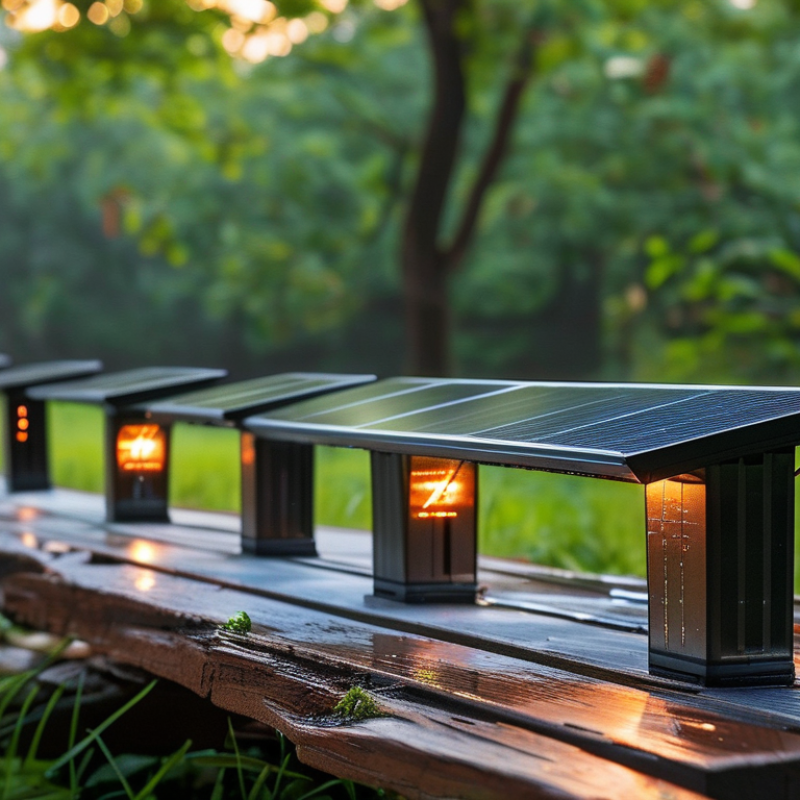
When considering the lifespan of solar lights for outdoor use, a few key factors come into play. Solar lights generally last between three to five years, depending heavily on their quality and environmental conditions. According to a study by the Solar Energy Industries Association, high-quality solar lights can outlast their cheaper counterparts. Their solar panels degrade at a slower rate, ensuring consistent performance.
Battery performance also plays a significant role. Most solar lights use lithium-ion or nickel-metal hydride batteries. Studies indicate that lithium-ion batteries may provide a lifespan of up to seven years, while nickel-metal hydride typically lasts about three to four years. Extreme temperatures can affect these batteries, leading to decreased efficiency. Regular maintenance can extend the overall lifespan of solar lights, yet many users overlook this aspect.
UV exposure and extreme weather can prompt wear and tear. For instance, heavy rain or snowfall can obstruct solar panels. While many solar lights claim to be water-resistant, checking their ratings is essential. Investing in proper care, such as cleaning the panels and ensuring proper positioning, will help maximize their lifespan. Failure to do so may lead to diminished performance over time.
When considering how long solar lights last outdoors, it's essential to focus on the factors that influence their durability. The quality of materials used in solar lights plays a significant role. Durable plastics and corrosion-resistant metals can withstand harsh weather conditions. Cheap materials may not last long and can become brittle or rusted over time. It's wise to assess materials before making a purchase.
Battery performance is another critical factor. Solar lights typically use rechargeable batteries, which degrade over time. High-quality lithium-ion batteries tend to have a longer lifespan compared to cheaper alternatives. Understanding the battery type in your lights can help gauge how often you may need replacements.
Installation also affects durability. Proper placement ensures maximum sunlight exposure. Conversely, if lights are hidden in shaded areas, they may not charge effectively. Additionally, routine maintenance is often overlooked. Regularly cleaning solar panels from dirt or debris can significantly enhance their performance. Ignoring maintenance can lead to reduced efficiency and shorter lifespans.
| Tip No. | Tip Description | Average Lifespan (Years) | Factors Influencing Durability |
|---|---|---|---|
| 1 | Choose high-quality solar lights. | 3-5 | Material quality, battery longevity |
| 2 | Install in a sunny location. | 4-6 | Sunlight exposure, charging efficiency |
| 3 | Regularly clean solar panels. | 3-7 | Dirt accumulation, light absorption |
| 4 | Replace batteries when needed. | 2-4 | Battery type, usage frequency |
| 5 | Use weather-resistant lights. | 5-8 | Waterproof rating, UV resistance |
| 6 | Check for any obstructions. | 3-5 | Tree shade, building shadows |
| 7 | Do seasonal maintenance. | 4-6 | General upkeep, part replacements |
| 8 | Store during extreme weather. | 2-5 | Temperature fluctuations, moisture |
| 9 | Avoid cheap imitations. | 2-4 | Durability, performance tracking |
| 10 | Follow the manufacturer’s instructions. | 5-10 | Proper use guidelines, safety measures |
Solar lights can greatly enhance outdoor spaces, but their longevity often depends on proper maintenance and installation. To maximize their lifespan, consider positioning lights away from heavy foliage. Tree branches can block sunlight, reducing battery recharge. Additionally, ensure that the solar panel faces south or west to capture sunlight more effectively.
Regular cleaning is essential. Dust and debris can accumulate on panels, hindering performance. A simple wipe with a damp cloth can significantly enhance efficiency. It's also crucial to check for signs of wear, such as cracked casings or dimming bulbs. If you notice these issues, prompt repairs can prevent further damage.
Batteries are another critical aspect. Over time, they may degrade and require replacement. Choosing high-quality batteries can improve performance in the long run. Moreover, if your lights have a built-in timer, using lower settings during peak sunny months can extend their operational life. The goal is to create a balance between light output and energy conservation.
Solar lights are a popular choice for outdoor spaces, but their longevity greatly depends on maintenance practices. Proper maintenance can extend the average lifespan of solar lights, which typically lasts around 1-3 years. According to industry research, regular cleaning of solar panels can improve their efficiency significantly. Dust, dirt, and debris often accumulate and block sunlight. This can reduce the energy absorbed, leading to shorter operation times at night.
Another crucial factor is battery care. Solar light batteries generally need replacement every 1-2 years. Using the right type of battery can make a difference. Industry data suggest that lithium-ion batteries tend to last longer than nickel-cadmium ones. Additionally, ensure the lights are positioned where they receive ample sunlight. If they are shaded by trees, their performance will decline.
Regular check-ups are also essential. Inspect for signs of wear or damage, which can compromise performance. Water ingress can be a significant issue. Sealing cracks or gaps and replacing damaged casings will protect them from weather elements. Keeping solar light fixtures maintained can lead to a more reliable and longer-lasting investment. Remember, investing time into maintenance is just as important as the initial purchase.
When selecting solar lights for outdoor use, consider your specific needs. Different areas require different light intensities. For patios, a warm glow creates a cozy atmosphere. Driveways need brighter lights for safety. Pay attention to brightness measured in lumens. Aim for between 100 to 300 lumens for effective outdoor illumination.
Durability is crucial for outdoor solar lights. Look for weather-resistant materials. This ensures longevity against rain, snow, or extreme heat. You should also think about battery life. Quality solar lights generally last longer and provide consistent performance. The quality of solar panels matters too. Efficient panels capture more sunlight during the day, converting it effectively.
Lastly, consider the installation process. Some lights are easy to set up, while others may require tools or professional help. You need to find a balance between convenience and quality. Reflect on your choices, ask questions, and gather opinions. Choosing the right solar lights can enhance your outdoor space significantly.
: Solar lights usually last between three to five years, depending on quality and environmental conditions.
The quality of materials, battery type, and environmental exposure influence the lifespan of solar lights.
Lithium-ion batteries can last up to seven years, while nickel-metal hydride batteries last about three to four years.
Regularly clean solar panels, check for damage, and ensure proper sunlight exposure to extend their lifespan.
Yes, extreme weather can damage solar panels, and UV exposure can lead to wear over time.
Batteries typically need replacement every 1-2 years, with lithium-ion batteries lasting longer than others.
Yes, regular maintenance significantly enhances performance and can lead to a longer lifespan for solar lights.
If placed in shaded spots, solar lights may not charge effectively, leading to reduced performance.
High-quality materials resist corrosion and harsh weather, while cheaper materials may not last long and could rust.
Clean panels, replace batteries on time, and check for damage regularly to improve overall performance.
When considering how long do solar lights last outdoors, it's essential to understand the factors that impact their lifespan. The durability of solar outdoor lights can vary greatly depending on aspects such as the quality of materials, battery type, and environmental conditions. To maximize the longevity of these lights, following some critical maintenance practices is beneficial.
To ensure your solar lights shine bright for years, it is important to choose the right type for your specific outdoor needs. Regular cleaning, ensuring proper placement for sunlight exposure, and checking the batteries periodically are vital maintenance tips. By implementing these strategies, you can significantly extend the life of your solar lights and enhance your outdoor lighting experience.

GKE Power