Top 10 Tips to Troubleshoot Common Solar Lighting Issues

Time:2026-06-13 Author:Aria
0%

Solar lighting systems can enhance outdoor spaces but may encounter various issues over time. Many homeowners struggle with these problems, often feeling frustrated and unsure of where to start. As noted by Harry Johnson, an expert in solar technology: "Understanding how to troubleshoot common solar lighting problems is essential for maintaining a reliable and efficient system."

When faced with low brightness or flickering lights, it’s vital to consider factors like placement and battery health. Solar lights rely on sunlight, and sometimes they just don’t get enough exposure. Inadequate sunlight might lead to performance issues, making it important to check the installation location regularly.

Additionally, dirt and debris can obstruct solar panels, reducing charging efficiency. Regular cleaning and maintenance play a crucial role here. Learning how to troubleshoot common solar lighting problems can make a significant difference. Consulting resources or professionals can provide valuable insights. Ultimately, being proactive about these common issues creates a better outdoor environment while helping you fully enjoy the benefits of solar lighting.
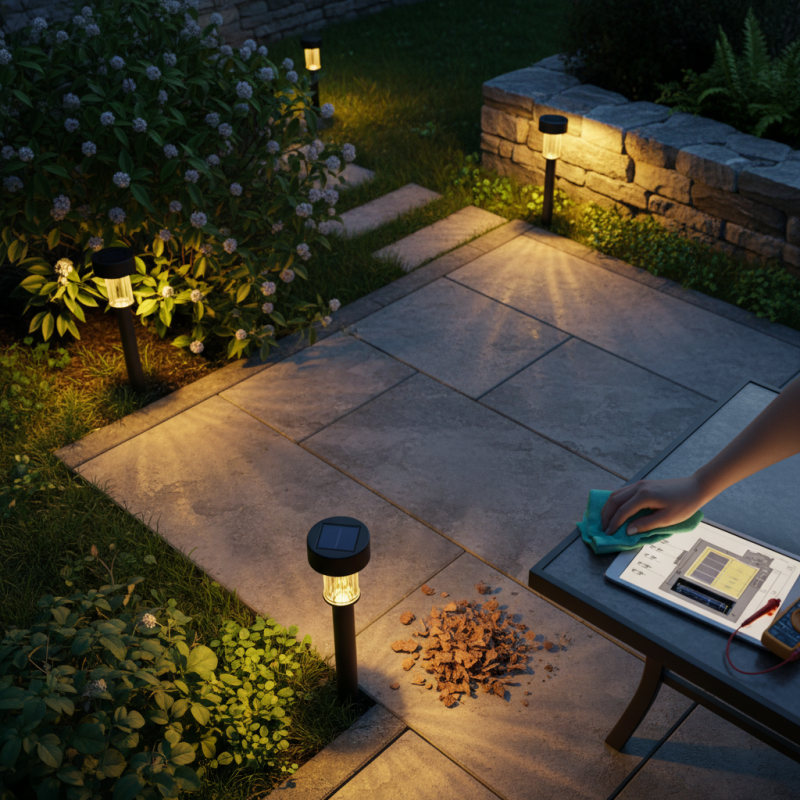
Top 10 Tips to Troubleshoot Common Solar Lighting Issues

Identify and Assess Common Solar Lighting Problems

When it comes to solar lighting, several issues can arise, impacting performance. One common problem is inadequate sunlight exposure. If your solar lights do not receive enough direct sunlight, they may not charge properly. Ensure they are positioned in an area that receives sunlight for at least six hours each day. Also, check for obstructions, such as trees or buildings, that may cast shadows over the lights.

Another frequent issue is dirty solar panels. Dust, dirt, and debris can accumulate, blocking sunlight. Regular cleaning can greatly enhance the efficiency of solar lights. Use a soft cloth or sponge with mild soap to gently clean the panels. It's essential to monitor the battery condition too. Over time, batteries can lose their capacity, resulting in diminished performance. If the lights flicker or do not turn on, this could indicate a battery issue worth investigating.

Take time to inspect the wiring and connections as well. Loose or damaged wires can lead to intermittent function. If you notice inconsistencies in lighting, a thorough inspection might reveal hidden problems. Reflect on these aspects regularly to maintain effective solar lighting. It’s not just about installation—it’s about ongoing maintenance and care.

Check Solar Panel Positioning and Obstructions

Positioning your solar panels is crucial for optimal performance. A study by the National Renewable Energy Laboratory shows that improper positioning can reduce energy output by up to 30%. When installing solar lights, ensure panels face the sun. Adjusting their angles slightly can make a significant difference. An unobstructed view maximizes sunlight exposure, increasing overall efficiency.

Obstructions such as trees, buildings, or even dirt can greatly impact solar lighting. Regular maintenance is essential. Check for overhanging branches or accumulating debris on panels. In urban areas, nearby structures may create shadows that hinder performance. A report from the Solar Energy Industries Association notes that even small obstructions can lead to a 10-20% drop in performance.

Consider seasonal changes. Trees that provide shade in summer may become fall hazards in winter. This seasonal shift can affect solar energy absorption. Be proactive; trim branches and remove potential obstructions. Familiarizing yourself with local conditions can enhance reliability. Taking time to assess and adjust your solar panel setup ensures they operate effectively throughout the year.

Top 10 Common Solar Lighting Issues

Test Battery Functionality and Charging Efficiency

Testing battery functionality and charging efficiency is crucial for solar lights. Many users overlook this step. A report by the Solar Energy Industries Association highlights that nearly 30% of solar light issues stem from battery problems. Poor battery performance can lead to insufficient lighting, causing frustration.

To ensure batteries are functioning correctly, perform a simple test. Remove the battery from the light and use a multimeter to check its voltage. A voltage reading below the rated value indicates a weak or dead battery. Additionally, evaluate the solar panel’s charging efficiency. Dirt or debris on the panel can reduce its ability to absorb sunlight efficiently. According to research, panels can lose up to 25% of their effectiveness if not regularly cleaned.

Regular maintenance is vital. Check connectors and wiring. Corroded or loose connections can impede the charging process, impacting battery performance. In some cases, batteries may need replacing sooner than expected. Standard lifespan is around 2 to 3 years, depending on usage. Reflecting on these factors can significantly enhance the reliability of solar lighting systems.

Top 10 Tips to Troubleshoot Common Solar Lighting Issues

Tip Number Issue Troubleshooting Steps Expected Outcome
1 Dim Lights Check the battery charge level and solar panel exposure. Brighter performance with adequate sunlight.
2 Lights Won't Turn On Test the battery functionality and connections. Lights activate as expected.
3 Flashing Lights Check for loose wires or damaged connections. Consistent lighting without flickering.
4 Short Battery Life Inspect battery age and charging mechanism. Extended operation and reliable performance.
5 Solar Panel Not Charging Clean the solar panel and check for obstructions. Optimal charging efficiency restored.
6 Corroded Connections Clean terminals with a wire brush and corrosion cleaner. Improved connectivity and performance.
7 Inconsistent Lighting Examine for damaged bulbs and replace if needed. Uniform light distribution achieved.
8 Switched off At Night Check the light sensor functionality. Lights remain on as intended.
9 Water Damage Inspect for leaks or cracks and seal as necessary. Enhanced water resistance for durability.
10 Obstructed Sunlight Trim surrounding foliage or relocate the solar light. Improved sunlight exposure increases performance.

Inspect LED Components for Damage or Degradation

Inspecting the LED components of your solar lights is essential for maintaining their performance. Over time, these components can suffer from damage or degradation. Regularly checking for visible signs can save you from future headaches. Look for cracks or burns on the LED housing. Discoloration can also indicate internal issues.

When examining your solar lights, pay attention to the wiring and connections. Loose or frayed wires can prevent proper function. A secure connection is vital for consistent performance. Use a multimeter to check voltage levels. If they fall below standard, you might need to replace the component.

Inadequate lighting can stem from degraded LED elements. Consider replacing lights periodically, even if they seem to work. This proactive approach can enhance overall brightness and efficiency. Commitment to regular inspections keeps your solar lights shining brightly and effectively.

Evaluate Timer and Sensor Settings for Optimal Performance

When troubleshooting solar lighting, timer and sensor settings play a crucial role. These components directly affect performance. Adjusting the timer can change when the lights turn on and off. It’s essential to consider the specific needs of your outdoor space. An inappropriate timer setting may lead to lights that stay on too long or turn off too soon.

Sensor settings also require attention. These sensors detect motion and ambient light. If sensitivity is set too low, the lights may not activate when needed. Conversely, if set high, they may trigger with minor movements, wasting energy. Remember, placing solar lights where they receive ample sunlight is vital. This ensures the battery charges fully.

While experimenting with settings, take notes on what works and what doesn’t. This approach allows for reflection on the effectiveness of your setup. Sometimes, adjustments yield unexpected results that require further tweaking. Addressing these elements thoughtfully enhances the overall function of solar lighting.

FAQS

: Why are my solar lights not charging properly?

: Inadequate sunlight exposure can hinder charging. Position lights to receive sunlight for at least six hours daily.

How can dirt affect my solar panels?

Dirty panels block sunlight, reducing efficiency. Regularly clean panels with a soft cloth to keep them functional.

What should I do if my solar lights flicker?

Flickering lights may indicate a battery issue. Check the battery condition and consider replacing it if needed.

How can I improve solar panel performance?

Ensure panels face the sun and are free from obstructions. Adjust angles for optimal sunlight exposure.

Are there seasonal factors to consider for solar lights?

Yes, trees may obstruct sunlight based on the season. Trim branches to enhance solar energy absorption year-round.

What maintenance is needed for solar lights?

Regularly inspect for dirt, check positioning, and ensure connections are secure. Ongoing care improves performance.

Can nearby buildings affect my solar lights?

Yes, shadows from buildings can reduce performance by 10-20%. Be aware of local structures when positioning panels.

How often should I clean my solar panels?

Clean panels regularly, especially after storms or windy conditions. Keeping them dirt-free is essential for efficiency.

What if my solar panel still doesn’t work after adjustments?

If problems persist, inspect wiring for damage. Ensure all connections are secure for proper functionality.

Conclusion

In the article "Top 10 Tips to Troubleshoot Common Solar Lighting Issues," practical guidance is provided on how to troubleshoot common solar lighting problems. The first step involves identifying and assessing typical issues that may arise, such as inadequate illumination or malfunctioning components.

Next, it’s crucial to check the positioning of the solar panels, ensuring they are free from obstructions that could hinder their exposure to sunlight. Additionally, testing the battery for functionality and charging efficiency helps determine if it is holding a charge effectively. Further inspection of LED components for any damage or degradation can reveal potential failures, while evaluating timer and sensor settings ensures optimal performance of the solar lighting system. By following these tips, users can effectively diagnose and resolve common issues, enhancing the reliability of their solar lighting solutions.

Aria

Aria

Aria is a dedicated marketing professional with a deep passion for innovative strategies and a keen understanding of our company's product offerings. With a wealth of experience in the industry, Aria excels at crafting engaging content that highlights the unique features and benefits of our......