Solar lighting has gained significant momentum in recent years, becoming an essential component of modern energy solutions. As cities strive for sustainability, the question arises: what factors affect solar lighting performance? According to the International Renewable Energy Agency (IRENA), solar lighting can reduce energy costs by up to 40%. However, several variables influence its efficiency and effectiveness.
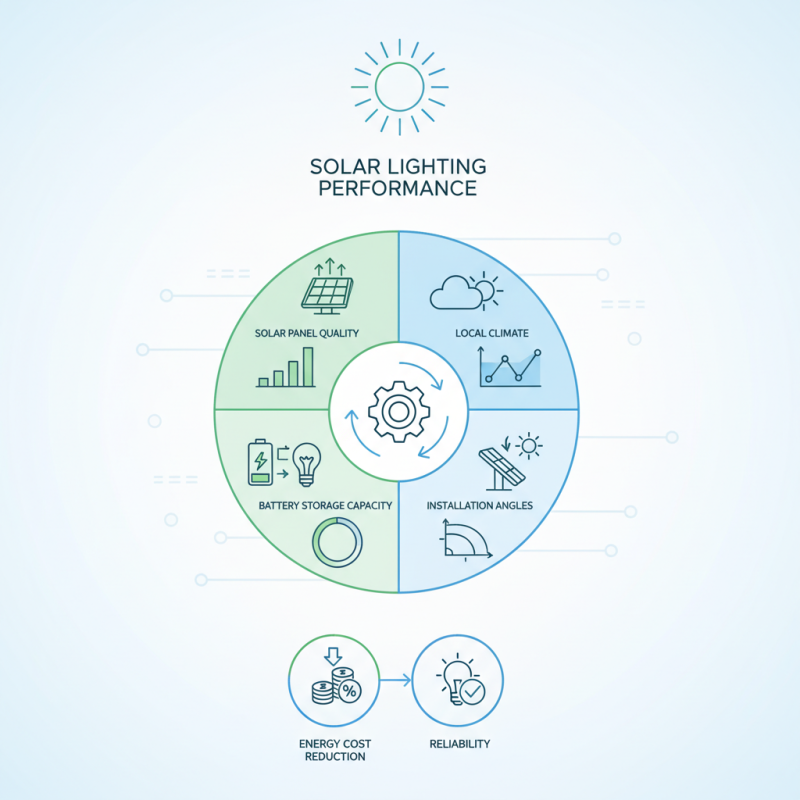
One major factor is solar panel quality. High-quality panels absorb sunlight better, which directly impacts lighting output. Additionally, local climate plays a crucial role. Regions with consistent sunlight yield better results than areas with frequent cloud cover. A report by the National Renewable Energy Laboratory (NREL) highlighted that inadequate sunlight can reduce solar system efficiency by nearly 25%.
Battery storage capacity is another crucial element. Poor-quality batteries may fail to hold charge, limiting lighting usability. Moreover, installation angles significantly affect performance; panels that are not properly angled to capture sunlight effectively will underperform. Understanding these complexities can help developers create better photovoltaic systems, leading to more reliable solar lighting solutions.
Solar Panel Efficiency and Its Impact on Lighting Performance
Solar panel efficiency plays a crucial role in the performance of solar lighting systems. Research shows that modern solar panels can convert up to 22% of solar energy into electricity. However, factors such as weather conditions and panel orientation can significantly impact this efficiency. When the panels are exposed to direct sunlight at optimal angles, their output increases, enhancing the overall lighting performance.
Daily temperature fluctuations also affect efficiency. Higher temperatures can lower the output of solar panels, sometimes by as much as 10%. Thus, selecting the right location for installation is vital. Keeping panels clean and free from debris can further improve energy conversion rates. These operational details often go unnoticed but are important.
Tip:
Regular maintenance, like cleaning solar panels, ensures they perform optimally.
Design considerations are equally important. The placement of solar panels should aim for maximum sun exposure, which can vary throughout the year. Additionally, incorporating energy-efficient LED fixtures into solar lighting systems can lead to better overall performance. A balance between panel efficiency and lighting technology can yield impressive results.
Tip:
Consider the local climate and seasonal changes when designing solar lighting systems.
Battery Capacity and Its Role in Solar Lighting Systems
Battery capacity plays a crucial role in the performance of solar lighting systems. It determines how long the lights can operate after sunset. According to a 2022 report by the Solar Energy Industries Association, inadequate battery capacity can lead to shortened lifespans for solar lights. A typical solar lighting system requires a battery that can store enough energy for several hours of use. If the battery is too small, the lights may only function for a couple of hours each night.
Battery type also influences performance. Lithium-ion batteries are becoming the standard due to their high energy density and efficiency. Research indicates that these batteries can operate effectively in a wider temperature range. However, they are more expensive. On the other hand, lead-acid batteries are cheaper but may not hold a charge as long. Therefore, understanding the trade-offs between cost and performance is key for designers.
Maintenance of battery health is often overlooked. Poorly maintained batteries will degrade faster, compromising the entire system. Regular checks can prevent unexpected failures. As the industry keeps evolving, it's crucial to rethink how battery capacity is integrated into solar lighting designs. Striving for better battery solutions remains an ongoing challenge in enhancing solar performance.
Environmental Factors Influencing Solar Lighting Output
Solar lighting performance heavily hinges on various environmental elements. Sunlight availability is perhaps the most critical factor. According to the National Renewable Energy Laboratory, solar panels achieve optimal efficiency under direct sunlight. Locations with consistent cloud cover or high pollution can experience reduced energy capture.
Temperature also plays a role in performance. Studies show that solar panels can lose efficiency as temperatures rise beyond 25°C. This is a challenge in regions that face extreme heat. On the other hand, colder temperatures can enhance performance but may hinder battery functionality.
Moreover, geographical features such as tall buildings or trees can create shadows that impact solar lighting output. These obstructions reduce direct sunlight exposure. It’s important for solar installations to consider their surroundings. Correct positioning and installation can mitigate some of these limitations, although not all challenges can be overcome. Careful planning is essential to maximize the benefits of solar lighting systems.
The Importance of Proper Installation for Optimal Performance
Proper installation of solar lighting systems is crucial for achieving optimal performance. According to the Solar Energy Industries Association, improper installation can reduce light output by as much as 30%. Ensuring that fixtures are aligned correctly and installed at the recommended height enhances their effectiveness. Poor placement often leads to shadows, diminishing light quality.
Additionally, the angle of solar panels significantly affects energy collection. Misalignment can result in a 20% drop in energy conversion, as noted by the National Renewable Energy Laboratory. Therefore, understanding the site’s sun path is essential. Installing lights where they receive maximum sunlight can enhance their overall efficiency.
Tips: Always consult local solar experts during installation. They can provide insights specific to your geographical area. Regularly checking fixture alignment and cleaning solar panels can also improve performance. Remember, even minor adjustments can lead to noticeable improvements in output.
Top 10 Factors Affecting Solar Lighting Performance
| Factor |
Description |
Impact on Performance |
| Sunlight Availability |
The amount of direct sunlight received by the solar panel. |
Critical; low sunlight reduces energy generation. |
| Installation Angle |
The tilt angle of the solar panels affects light absorption. |
Moderate; the right angle maximizes energy capture. |
| Obstructions |
Nearby trees or buildings that block sunlight. |
High; can severely limit solar efficiency. |
| Quality of Solar Panels |
The efficiency rate and quality of the solar panels used. |
High; better panels yield higher performance. |
| Battery Type and Capacity |
The quality and size of batteries affect energy storage. |
Critical; inadequate storage limits functionality. |
| Weather Conditions |
Cloudy or rainy weather can inhibit sunlight absorption. |
Moderate; affects daily performance but not life span. |
| Maintenance |
Regular cleaning and servicing of the solar system. |
High; poor maintenance decreases efficiency over time. |
| Wiring and Connections |
Quality and integrity of the wiring connecting the system. |
Moderate; faulty connections can lead to power loss. |
| Type of Solar Lighting System |
Different systems have varying efficiencies and functionalities. |
Moderate; affects the overall performance and purpose. |
Technological Advancements in Solar Lighting Solutions
In recent years, technological advancements have significantly improved solar lighting solutions. A report from the International Renewable Energy Agency (IRENA) shows that solar lighting systems have increased efficiency by up to 30% due to better photovoltaic (PV) materials. These innovations have led to brighter and longer-lasting solar lights.
Battery technology has also seen remarkable progress. Lithium-ion batteries now provide higher energy density and longer lifespans than traditional lead-acid batteries. This change enhances performance, especially in regions with less sunlight. Recent studies reveal that solar lights equipped with advanced batteries can operate effectively for 12 to 15 hours on a full charge, ideal for urban and rural applications alike.
However, challenges remain. Many installations still face geographical limitations. For example, areas with frequent cloud cover may not benefit fully from solar technology. Additionally, cost remains a barrier. Despite falling prices, some communities find it difficult to adopt these solutions. Continuous innovation is essential to address these disparities and make solar lighting accessible to all.
FAQS
: Modern solar panels can convert up to 22% of solar energy into electricity.
Weather conditions, like cloud cover, can significantly reduce the efficiency of solar energy capture.
Selecting the right location maximizes sun exposure, impacting overall lighting performance.
Higher temperatures can decrease solar panel output, sometimes by up to 10%.
Regular cleaning keeps panels free of debris and boosts energy conversion rates.
Incorporating energy-efficient LED fixtures can improve the overall performance of solar lighting systems.
Yes, tall buildings or trees can create shadows that reduce direct sunlight exposure.
Lithium-ion batteries offer higher energy density and longer lifespans than traditional batteries.
Advanced solar lights can operate effectively for 12 to 15 hours on a full charge.
Frequent cloud cover and installation costs pose significant challenges for solar technology adoption.
Conclusion
In exploring the question of "what factors affect solar lighting performance," several key elements come into play. Firstly, the efficiency of solar panels is crucial, as it directly impacts the amount of energy harnessed for lighting. Additionally, battery capacity plays a significant role; larger batteries can store more power, ensuring consistent lighting even during low sunlight periods.
Environmental factors, such as geographic location and weather conditions, can also influence solar lighting output, highlighting the importance of assessing local climates. Proper installation is essential to ensure that solar fixtures operate at their best, maximizing performance through optimal positioning and angle. Lastly, ongoing technological advancements in solar lighting solutions continue to enhance efficiency and effectiveness, making them an increasingly viable option for sustainable illumination.

 GKE Power