Ensuring functionality in outdoor solar lighting systems depends on effective waterproofing. Many consumers overlook this crucial aspect. Without proper protection, solar lights can fail quickly, particularly in wet climates. Understanding how to waterproof outdoor solar lighting systems is essential for longevity.
Waterproofing is not as straightforward as it seems. Selecting the right materials requires knowledge and experience. Many products claim to be waterproof but fail under real conditions. Assessing these claims involves research and expert consultation. It's important to question what makes a lighting system genuinely waterproof. This can lead to difficult decisions.
In the quest for reliable outdoor lighting, many forget maintenance matters. Even the best systems need periodic checks to remain effective. Addressing minor issues can prevent costly replacements. This article will explore practical methods and tips on waterproofing your outdoor solar lighting systems. Consider your environment and lighting usage carefully.
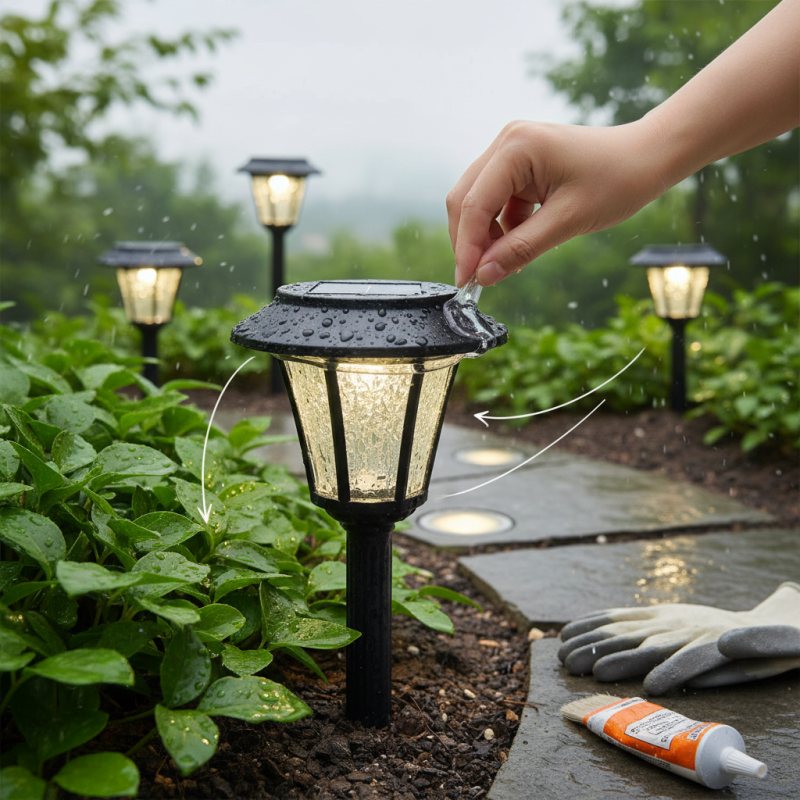
Waterproofing solar lighting systems is crucial for outdoor use. These devices face harsh weather every day. Rain, snow, and humidity can significantly damage them. Proper waterproofing ensures longevity and consistent performance. This is especially important for outdoor setups, as they are exposed to unpredictable conditions.
Understanding how to effectively waterproof these systems can prevent frequent replacements. However, many users overlook this aspect. Not all models come with adequate water resistance. Relying solely on manufacturer claims can lead to disappointment. Reinforcing seals and choosing quality materials can make a difference. Regular maintenance, such as checking for wear and tear, is essential. Users should be ready to periodically inspect their systems.
Some DIY methods can enhance waterproofing. Silicone sealants and waterproof sprays offer added protection. Yet, these methods require careful application to avoid damage. Balancing between effectiveness and potential risk is vital. It’s essential to be proactive but not overly confident in protection methods. This is a process of continuous improvement. Each step taken can enhance the reliability of solar lighting systems outside.
Water damage poses a significant risk to outdoor solar lights. Rain, snow, and humidity can infiltrate the lighting units, causing malfunctions or even complete failures. Understanding how to minimize these risks is crucial for extending the life of your solar lighting systems.
One risk includes poor seals around fixtures. When these seals wear out, moisture can enter the unit. Regularly inspect the seals and replace them if they show signs of wear. This small action can help prevent costly repairs.
Tips for effective waterproofing:
Choose solar lights with high IP ratings. A rating of IP65 or higher ensures better resistance to water. Additionally, consider placing lights in sheltered areas. Overhangs or awnings can protect them from direct rain. Another approach is using silicone sealant around joints and panels. This increases water resistance while preserving light performance.
Sometimes, despite best efforts, water damage still occurs. Check your lights frequently, even if you’ve taken precautions. Look for signs such as corrosion or fogging inside the lens. Early detection can save you time and money on replacements later.
When choosing waterproof materials for outdoor solar lighting fixtures, it’s crucial to focus on durability and effectiveness. Approximately 30% of solar lights fail due to water damage. Selecting the right housing materials can significantly impact their lifespan. ABS plastic is lightweight and prevents rust, while aluminum offers durability against corrosion. Both materials enhance a fixture's resilience in harsh weather conditions.
Sealing methods are equally important. Silicone sealants, for instance, are often used to protect against moisture. A reliable seal can reduce water entry, but improper application can lead to failure. Research indicates that fixtures with inadequate sealing can reduce functionality by up to 50% within the first year. Regular inspections can identify potential vulnerabilities in aging fixtures.
The choice of lenses also matters. Polycarbonate lenses provide strong impact resistance, yet they can degrade over time if not properly treated. UV stability is essential. Many reports show lenses lacking UV protection become yellowed and brittle, affecting both light output and aesthetics. Innovative solutions exist, but the effectiveness varies. Regular evaluations of materials and seals can guide improvements for better performance in the long run.
When it comes to outdoor solar lighting systems, waterproofing is crucial. Water ingress can damage the internal components and affect performance. Begin by selecting high-quality waterproof sealants. Look for silicone-based products, as they provide a strong barrier against moisture. Apply these around all joints and seams on the solar panel and lamp.
Consider adding drainage holes in the housing. This will help in preventing water accumulation. Even with the best seals, water can still find its way in. A good drainage system can mitigate this risk. Inspect the lighting regularly. Look for signs of corrosion or damage. If you notice any issues, repair them promptly to avoid further problems.
Another idea is to elevate the solar lights slightly off the ground. This helps to keep them dry during heavy rain. Using a small platform or bricks can achieve this effect. Reflections in the housing can create an illusion of waterproofing. Yet, it is essential to ensure that the housing is genuinely airtight. Don't overlook the importance of routine maintenance. Regular checks can significantly extend the lifespan of your solar lighting systems.
When it comes to maintaining outdoor solar lighting systems, ensuring waterproof integrity is crucial. Regular inspections are necessary. Check for cracks or wear on the housing. Even small damages can lead to serious issues. Rainwater can seep in and damage internal components. Take time to examine the seals and gaskets. Replace them when you notice degradation.
Cleaning the solar panels is another important task. Dust and debris can block sunlight, affecting efficiency. Use a soft cloth to wipe the surface regularly. Additionally, consider applying a protective coating to enhance waterproofing. This can safeguard the fixtures against harsh weather.
Reflecting on past experiences can guide future maintenance efforts. Have you overlooked any small signs of wear? Small details matter. Document any issues you encounter. This practice helps improve maintenance routines. A well-maintained solar light not only survives harsh elements but also shines brightly for longer, illuminating your outdoor spaces effectively.
| Maintenance Tip | Description | Frequency | Expected Lifespan Improvement |
|---|---|---|---|
| Check Seals | Inspect the rubber seals around the lights for any wear and tear. | Every 6 months | 1-2 years |
| Clean the Solar Panels | Remove dirt and debris from panels to ensure maximum sunlight absorption. | Monthly | Up to 1 year |
| Apply Waterproof Sealant | Use a silicone-based sealant on joints and connections to prevent water ingress. | Annually | 2-3 years |
| Store During Off-Season | Remove and store lights during extreme weather conditions. | As needed | 2-5 years |
| Replace Batteries | Check and replace old batteries to ensure adequate power supply. | Every 1-2 years | Increased efficiency |
: Durable materials like ABS plastic and aluminum are ideal. They resist rust and corrosion, prolonging lifespan.
Proper sealing, especially with silicone, minimizes water entry. Poor sealing can cut functionality by half in one year.
Regular inspections are key. Look for cracks or wear that could allow water to damage internal parts.
High-quality lenses, like polycarbonate, resist impact but may degrade over time without UV protection.
Regularly clean panels and check seals. Replace damaged seals to prevent internal moisture issues.
Applying a protective coating can improve waterproof integrity, resisting harsh weather conditions effectively.
Document any signs of wear. Reflecting on these details helps improve your maintenance strategy.
Yes, even minor cracks can allow rainwater in, causing significant internal damage over time.
Consistent maintenance and addressing issues promptly will help your fixtures withstand harsh elements and perform better.
Effective waterproofing of outdoor solar lighting systems is essential to prevent water damage and extend the lifespan of these fixtures. Understanding the potential risks associated with moisture exposure is the first step in ensuring durability. One must choose appropriate waterproof materials that can withstand harsh weather conditions and effectively seal vulnerable components.
To learn how to waterproof outdoor solar lighting systems, follow a detailed step-by-step process that includes proper sealing techniques to protect electrical connections and battery compartments. Additionally, regular maintenance is crucial—inspecting seals, cleaning the fixtures, and replacing any worn components will help maintain their waterproof integrity over time. By implementing these strategies, outdoor solar lights can operate efficiently and remain dependable in various outdoor environments.

GKE Power