Why Are Solar Lights Important for Energy Saving?

Time:2026-09-21 Author:Sienna
0%

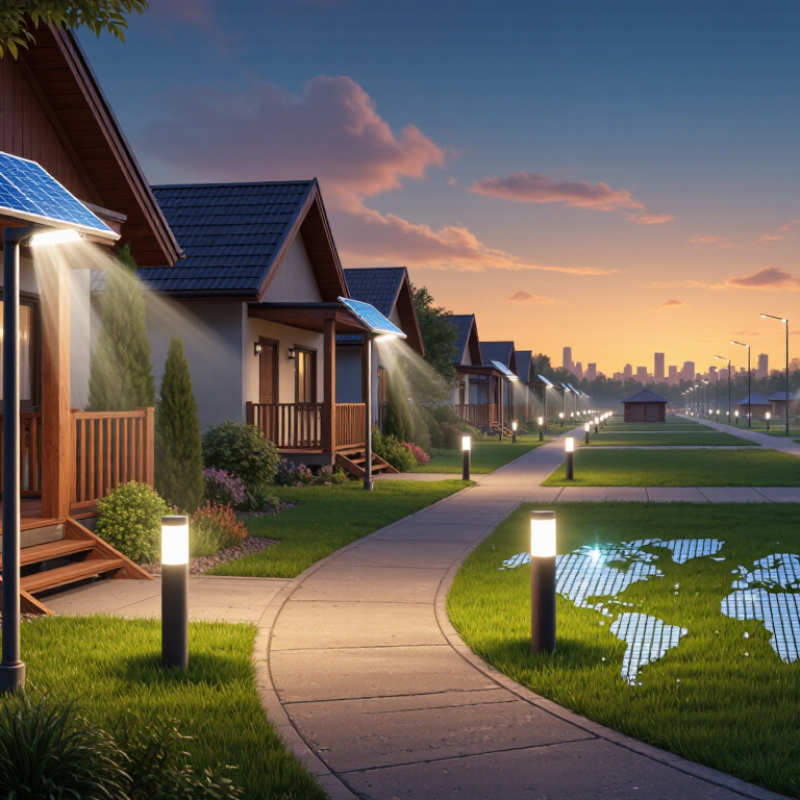
Why are solar lights important for energy saving? The answer begins with a simple scene: a pathway lamp charges under daylight and illuminates a doorway after sunset. It produces light without drawing electricity from the grid. This reduces household consumption, especially where outdoor lighting operates for several hours each night. The U.S. Department of Energy reports that LED bulbs use at least 75% less energy than incandescent bulbs and last up to 25 times longer. Solar lighting commonly combines LED efficiency with renewable power.

The wider energy picture strengthens this case. The International Energy Agency’s Renewables 2023 report recorded nearly 510 gigawatts of new renewable capacity worldwide. Solar photovoltaics contributed about three-quarters of that growth. IEA Executive Director Fatih Birol stated, “Solar is the new king of electricity markets.” His observation reflects rapidly falling solar costs and expanding deployment. The World Bank’s Tracking SDG7: The Energy Progress Report 2024 also estimated that about 685 million people lacked electricity access in 2022. Small solar lights can provide practical illumination in underserved areas, without fuel deliveries or permanent grid connections.

Still, solar lights are not magic. Weak winter sunlight, dirty panels, poor batteries, and low-quality components can reduce performance. A lamp placed beneath a tree may fail before midnight. This limitation deserves attention. Energy savings depend on correct sizing, durable products, and responsible battery recycling. Even so, well-designed systems can replace unnecessary grid demand, reduce operating costs, and make everyday lighting cleaner. That is why are solar lights important for energy saving in homes, gardens, streets, and remote communities.
Why Are Solar Lights Important for Energy Saving?

What Solar Lights Are and How They Work

Why Are Solar Lights Important for Energy Saving?

What Solar Lights Are and How They Work

Solar lights are outdoor lighting systems that use sunlight instead of household electricity. Each unit usually contains a photovoltaic panel, rechargeable battery, LED lamp, and light sensor. During the day, the panel converts sunlight into electrical energy. The battery stores that energy for nighttime use. When the sensor detects darkness, the LED turns on automatically. A small controller manages charging and prevents excessive battery use.

This process can reduce electricity consumption and avoid the need for underground power cables. Solar lights work well along garden paths, driveways, and remote outdoor areas. However, their performance depends on sunlight, battery condition, and panel cleanliness. A shaded location may produce weak lighting after several cloudy days. That limitation matters. Energy saving is not automatic; correct placement remains essential. In my view, many users expect constant brightness, but solar lighting often becomes dimmer before sunrise.

Tips: Place the panel where it receives several hours of direct sunlight. Keep leaves, dust, and snow away from its surface. Check the light after one cloudy week. If brightness drops repeatedly, inspect the battery and sensor. Choose warm, moderate illumination for paths, because excessive brightness wastes stored energy and can disturb nearby wildlife.

How Solar Lights Reduce Electricity Consumption

Solar lights reduce electricity consumption by using sunlight instead of household power. During the day, a photovoltaic panel converts sunlight into stored energy. At night, that energy powers the lamp automatically. In my experience, placing lights near a garden path can reduce the need for wired lighting. A small sensor also prevents unnecessary operation during daylight. This may lower outdoor electricity use, especially when several fixtures operate every evening.

The savings depend on sunlight, battery capacity, and daily lighting time. Shaded locations may charge poorly, while cloudy weather can shorten nighttime performance. Solar lights are not completely maintenance-free. Dust on the panel can reduce charging efficiency, and batteries may lose capacity over time. I once positioned a light beneath dense branches, and its brightness faded before midnight. That mistake showed me that installation matters as much as the technology. Electricity savings are possible, but they are not identical in every home.

Tips: Place panels in direct sunlight for several hours each day. Clean them gently when dust appears. Choose motion sensors for paths used occasionally. Check the battery when brightness decreases. Avoid installing lights where walls or trees block the panel. Track their performance for a month; the result may be smaller than expected.

The Environmental Benefits of Using Solar Lighting

Solar lighting converts sunlight into electricity without drawing power from the grid at night. A small panel charges a battery during daylight, while an efficient LED provides light after sunset. This can reduce household electricity use, especially around pathways, gardens, gates, and outdoor work areas. The benefit is modest for one lamp, but meaningful when many fixtures operate daily.

The environmental advantage extends beyond lower energy bills. Solar lights can reduce demand for electricity generated from fossil fuels, which may lower associated carbon emissions. They also avoid long underground cables in some outdoor installations, reducing material use and ground disturbance. In practical use, thoughtful placement matters. A shaded panel may collect too little energy, and an overly bright lamp can disturb insects, birds, and nearby residents. Softer, downward-facing light is often a better choice.

Solar lighting is not impact-free. Batteries require minerals, manufacturing energy, and responsible disposal. Cloudy weather can also shorten nighttime performance. I have found that regular panel cleaning improves charging, particularly near dusty roads or leafy trees. Still, maintenance is easy to overlook. Choosing durable components, replaceable batteries, and recyclable materials can extend service life and reduce waste. The technology helps, but it is not a perfect environmental solution.

Why Are Solar Lights Important for Energy Saving?

Replacing one 10-watt grid-powered light operating for 12 hours every night can avoid approximately 43.8 kWh of grid electricity use per year. The estimated carbon savings vary by regional electricity-grid intensity. Values are calculated using 2023 regional grid-intensity figures reported by Ember and assume that the solar light supplies the same lighting service without grid electricity.

Key Factors That Affect Solar Light Efficiency

Why Are Solar Lights Important for Energy Saving?

Key Factors That Affect Solar Light Efficiency

Solar lights reduce grid electricity use by charging during daylight hours. Their real efficiency depends on more than the panel’s rated power. Panel position matters. A south-facing or unobstructed surface usually receives stronger sunlight, while nearby walls and trees can create long shadows. Even partial shade may reduce daily charging. Small details matter.

Battery condition also affects nighttime performance. A weak battery may charge quickly but lose power before dawn. In practical inspections, battery capacity, charging cycles, and local temperature should be checked together. Cold weather can slow chemical reactions, while extreme heat may shorten battery life. Manufacturers’ specifications help, but outdoor conditions can differ from laboratory tests.

Clean panels capture light more effectively. Dust, bird deposits, and fallen leaves can reduce output, especially after dry weather. A gentle monthly cleaning may help, but harsh tools can scratch the surface. The light sensor and LED design matter too. A sensor that activates too early wastes stored energy. Efficient LEDs provide useful brightness with less power.

Installation height and lighting duration require honest judgment. Brighter is not always better. A lower brightness setting may provide light throughout the night. I once assumed maximum brightness would improve safety, but it often drained the battery too quickly. Testing the light for several nights can reveal problems that specifications cannot show.

Why Are Solar Lights Important for Energy Saving? - Key Factors That Affect Solar Light Efficiency

Efficiency Factor Why It Matters for Energy Saving Typical Technical Data Effect on Solar Light Performance Recommended Practice
Solar Irradiance and Daily Sunlight The photovoltaic panel can generate energy only when sufficient sunlight reaches its surface. More available solar energy generally means a fuller battery and longer nighttime operation. Peak sun hours commonly range from about 2 to 6 hours per day, depending on location, season, weather, and shading. Cloud cover, winter conditions, and shaded installation areas reduce daily energy production and may shorten operating time. Install the panel in an unobstructed location and use local solar-resource data when selecting the installation position.
Photovoltaic Panel Conversion Efficiency Higher conversion efficiency allows a panel of the same size to convert more sunlight into electrical energy. Commercial crystalline-silicon modules commonly achieve approximately 18%–23% module efficiency. A higher-efficiency panel can provide more charging energy where mounting space is limited. Keep the panel clean, undamaged, and correctly oriented toward the strongest available sunlight.
Panel Orientation and Tilt The angle and direction of the panel affect how directly sunlight strikes its surface throughout the day and year. The optimum tilt is site-specific and is often close to the installation location’s latitude for annual energy production. Poor orientation can lower the energy harvested even when the area receives adequate sunlight. Avoid nearby walls, trees, and structures that cause partial shading, especially during peak sunlight hours.
Battery Capacity and Chemistry The battery stores daytime solar energy for use after sunset. Insufficient capacity can cause the light to switch off early. Usable battery energy is lower than its nominal capacity because of depth-of-discharge and conversion losses. A suitable battery improves overnight reliability, while excessive capacity may increase cost without improving performance in low-sun conditions. Match battery capacity to the lamp load, required lighting hours, and the lowest expected seasonal solar input.
Battery Temperature Temperature affects charging acceptance, storage capacity, and battery service life. Lithium-ion batteries generally operate best near room temperature; cold conditions reduce available capacity, while high heat accelerates aging. Very low or high temperatures can reduce runtime and increase long-term battery degradation. Provide ventilation, avoid direct heat sources, and follow the battery manufacturer’s specified operating range.
LED Luminous Efficacy Efficient LEDs produce more visible light for each watt of electricity, reducing the energy required for a target brightness. Modern LED light sources commonly provide approximately 80–180 lumens per watt, depending on design and operating conditions. Higher efficacy can extend lighting duration or provide greater brightness from the same battery. Select an LED system based on required illumination rather than maximum advertised wattage.
Lighting Schedule and Operating Mode Operating hours and brightness directly determine how much stored energy is consumed each night. Motion-dimming systems may use substantially less energy than systems operating at full brightness continuously. Lower nighttime consumption increases the probability that stored energy will last until morning. Use dusk-to-dawn control, motion sensors, timers, or adaptive dimming where full brightness is not continuously necessary.
Charge and Power Electronics Energy is lost during battery charging, voltage conversion, LED driving, and standby operation. Overall system efficiency is lower than the efficiency of the panel or LED alone because several conversion stages are involved. Efficient charge controllers and LED drivers deliver more of the harvested solar energy to the light source. Choose a well-designed system with low standby consumption and protection against overcharging, over-discharging, and short circuits.
Panel Cleanliness and Maintenance Dust, pollen, leaves, and bird deposits block sunlight and reduce the energy reaching the photovoltaic cells. The loss varies with the type and thickness of the soiling; heavy deposits can cause a significant reduction in output. Reduced charging energy may lead to shorter illumination duration, particularly after several cloudy days. Inspect the panel periodically and clean it with water and a soft cloth when visible dirt accumulates.
Ambient Temperature Photovoltaic modules generally produce less electrical power as cell temperature rises above their rated test condition. Crystalline-silicon modules commonly have a power temperature coefficient of approximately −0.3% to −0.5% per °C. Hot conditions can reduce instantaneous panel power, although strong sunlight may still provide high total daily energy. Allow airflow around the panel and avoid installation methods that trap excessive heat.
Light Distribution and Optical Design Good optics direct light toward the intended area, reducing wasted illumination and allowing the system to meet lighting needs with lower power. Useful performance depends on illuminance, beam distribution, glare control, and mounting height—not lumens alone. Efficient distribution can improve perceived brightness without increasing electrical consumption. Match the beam angle and mounting height to the area being illuminated, while minimizing light spill.
System Sizing and Load Matching A correctly sized panel, battery, LED, and control system balances energy generation with nighttime demand. Daily energy balance can be estimated as: harvested solar energy × system efficiency − nightly lighting energy. Oversized loads may drain the battery quickly; undersized systems may waste capacity and increase cost. Design for seasonal conditions, local sunlight availability, required runtime, and several consecutive cloudy days.

Note: The figures shown are general engineering ranges or design guidelines. Actual performance depends on location, season, weather, component quality, installation, and maintenance.

Where Solar Lights Are Most Useful

Solar lights matter most where the grid is weak, expensive, or absent. They convert daylight into usable electricity without trenching cables or extending distribution lines. The United Nations’ Tracking SDG 7 report estimates that 685 million people lacked electricity access in 2022. For these communities, a small solar lantern can illuminate evening study, safer cooking, or a market stall.

Remote homes are a practical starting point. So are farms, fishing paths, and roadside shelters. Solar lights also suit disaster-prone areas because they can operate after grid failures. In public spaces, solar streetlights help illuminate walkways, bus stops, school entrances, and community water points. The International Energy Agency reports that lighting remains a major electricity use in many buildings, while efficient LEDs can sharply reduce demand. A solar LED system removes much of that demand from the grid.

Placement still decides performance. Panels need clear sunlight, not shade from trees or nearby roofs. Dust, weak batteries, and short winter days can reduce brightness. That part is often ignored. The World Bank’s Lighting Global program has documented the rapid growth of off-grid solar products, but access does not guarantee reliable service. Installers should measure nighttime use, weather patterns, mounting height, and battery capacity before choosing equipment. A dim light near a muddy path may fail its purpose, even if its specifications look impressive. Solar lighting saves the most energy where design matches real daily habits.

FAQS

How do solar lights reduce household electricity use?

A photovoltaic panel collects sunlight during the day. Stored energy powers the lamp after sunset, without drawing household electricity. One fixture saves little. Several fixtures can create noticeable savings.

Where should solar lights be installed for better performance?

Place the panel where it receives several hours of direct sunlight daily. Avoid dense branches, tall walls, and other shadows. Shade matters. A bright-looking location may still charge poorly.

Do cloudy days affect solar light performance?

Yes, cloudy weather can reduce the energy stored during daylight. The light may become dimmer or switch off before dawn. Results vary with weather, battery capacity, and lighting duration.

How can regular maintenance improve solar lighting efficiency?

Gently clean dust, leaves, and bird deposits from the panel. A monthly check may improve charging near dusty roads or trees. Avoid harsh tools, which can scratch the surface.

How do batteries affect nighttime lighting?

A weak battery may charge quickly but lose power before midnight. Check the battery when brightness decreases unexpectedly. Cold conditions can slow charging, while extreme heat may shorten battery life.

Are motion sensors useful for reducing energy consumption?

Motion sensors activate lights only when movement occurs. They work well on paths used occasionally. This can preserve stored energy for longer nighttime coverage. Not always.

What environmental benefits can solar lighting provide?

Solar lights can reduce demand for grid electricity at night. This may lower emissions linked to fossil-fuel electricity generation. They can also reduce cabling needs in some outdoor installations. The benefit remains modest for one lamp.

Is solar lighting completely environmentally friendly?

No, solar lighting still requires materials, manufacturing energy, and battery disposal. Choose durable parts, replaceable batteries, and recyclable materials when possible. Softer, downward-facing light can reduce disturbance to insects, birds, and neighbors. It is helpful, not perfect.

How can homeowners judge actual electricity savings?

Track brightness, operating hours, weather, and charging conditions for one month. Compare the results with previous outdoor lighting use. The savings may be smaller than expected. That possibility deserves attention.

Conclusion

Solar lights are outdoor lighting systems that use solar panels to convert sunlight into electricity, which is stored in rechargeable batteries and used after dark. Understanding why are solar lights important for energy saving begins with their ability to provide illumination without relying continuously on power from the electrical grid. By reducing electricity consumption, they can help lower household energy costs and reduce demand for energy generated from fossil fuels.

The environmental benefits of solar lighting include fewer carbon emissions, less pressure on energy resources, and reduced dependence on conventional wiring. However, their efficiency depends on factors such as sunlight exposure, panel quality, battery capacity, weather conditions, and regular maintenance. Solar lights are especially useful in gardens, pathways, driveways, streets, parks, rural locations, and emergency areas where access to grid electricity may be limited. With suitable placement and proper care, they offer a practical, flexible, and sustainable lighting solution.

Sienna

Sienna

Sienna is a skilled marketing professional with a deep expertise in our company’s core products and services. With a passion for innovation and detail, she plays a pivotal role in crafting insightful blog posts that not only highlight the unique features of our offerings but also provide valuable......