Solar lights offer a sustainable and cost-effective lighting solution for outdoor spaces. However, many users wonder, "why do solar lights stop working over time?" According to Dr. Emily Hart, a renowned solar technology expert, "The efficiency of solar lights diminishes due to various factors, from battery life to environmental conditions."
One key reason for this decline is the degradation of solar batteries. Over time, these batteries lose their capacity to hold a charge. Factors such as temperature extremes and frequent charging cycles can exacerbate this issue. Sun exposure also plays a critical role. If solar panels become dirty or shaded, they generate less electricity than expected.
In addition, the quality of the components used in solar lights can vary significantly. Lower-quality materials tend to deteriorate faster, leading to a shorter lifespan. Users might find that certain lights work well initially but fail after a season. Understanding the reasons behind this can empower consumers to make better choices and maintain their solar lights effectively.
Understanding the Basics of Solar Lights and Their Components
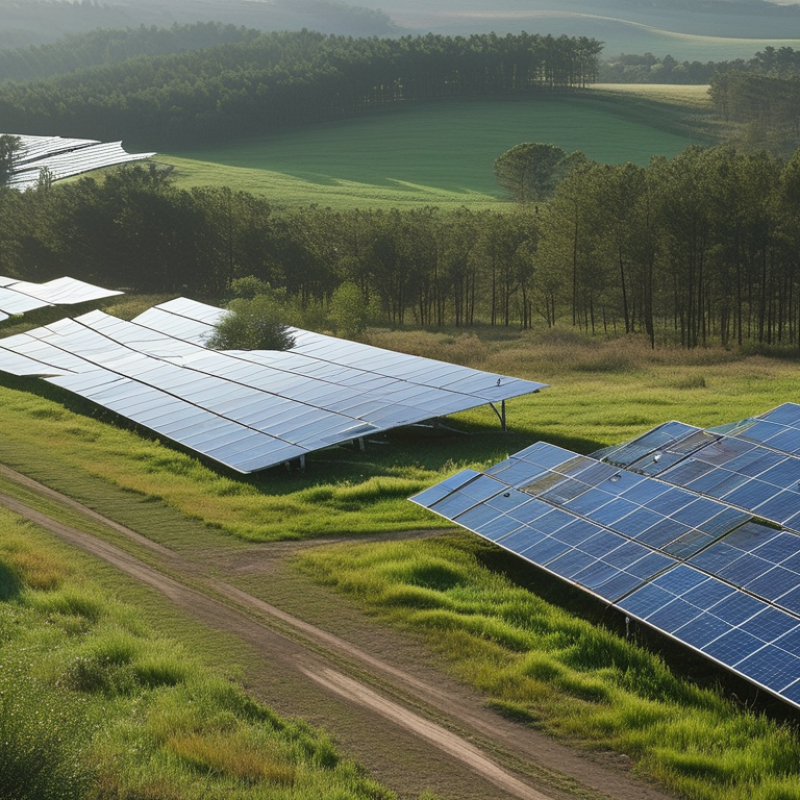
Solar lights operate mainly through solar panels, batteries, and LED bulbs. The solar panel absorbs sunlight, converting it into energy. However, the efficiency of this conversion can diminish over time. A study by the National Renewable Energy Laboratory (NREL) indicates that the performance of solar panels can drop by 0.5% to 1% per year. This gradual decline affects the energy stored in batteries, resulting in shorter lighting durations.
Batteries are crucial components of solar lights. Most commonly, these lights use nickel-cadmium (NiCd) or lithium-ion batteries. NiCd batteries have a lifespan of around three to five years. Their performance deteriorates if regularly exposed to deep discharges. In contrast, lithium-ion batteries may last longer but can suffer from temperature extremes, impacting their charge retention. Reports from the Battery University highlight that about 20% of lithium-ion batteries may fail prematurely, leading to unexpected outages in solar lights.
LED bulbs can also be a source of contention. While they typically last longer than traditional bulbs, issues such as overheating can cause early failure. Data from the Department of Energy states that LEDs can last 15,000 to 50,000 hours, but environmental factors play a significant role in this range. Poor weather conditions or inferior manufacturing can lead to malfunctioning lights. Understanding these components helps users grasp why solar lights may stop working over time.
Battery Efficiency Over Time in Solar Lights
This bar chart illustrates the decline in battery efficiency of solar lights over a period of five years. Initially, the batteries operate at optimal efficiency, but over time, factors such as discharge cycles and environmental conditions contribute to a drop in performance.
Common Reasons for Solar Lights Malfunctioning Over Time
Solar lights are popular for their eco-friendliness and ease of use. However, many users find that these lights stop working over time. Several common reasons contribute to this malfunction.
One primary cause is battery degradation. Solar lights typically use rechargeable batteries that can lose their ability to hold a charge after 1-3 years. According to industry reports, nearly 30% of solar light users experience battery failure within this period. Poor sunlight exposure can also shorten battery life. If lights are placed in shaded areas, they may not collect enough energy. Additionally, dirty solar panels can hinder performance. Dust, debris, or snow accumulation can block sunlight, reducing efficiency significantly.
Maintaining solar lights can prolong their lifespan. Regularly clean the solar panels to ensure maximum sunlight exposure. Thoroughly inspect batteries at least once a year. Consider replacing them proactively after two years, even if they seem to work. Furthermore, check the placement of each light. If shadows obstruct their path, consider relocating them to a sunnier spot. These small steps can ensure that solar lights remain a reliable source of illumination.
Impact of Weather Conditions on Solar Light Longevity
Weather conditions significantly affect the longevity of solar lights. Exposure to extreme temperatures can damage solar panels and batteries. A study by the National Renewable Energy Laboratory (NREL) noted that prolonged heat can reduce battery life by up to 20%. On the contrary, extremely cold temperatures can hinder the battery’s ability to hold a charge.
Moisture and humidity also play crucial roles in solar light durability. Water accumulation can lead to corrosion and electrical failures. The Department of Energy reported that over 30% of solar lights fail due to moisture-related issues. In addition, the UV index can degrade materials used in solar light constructions. Over time, this degradation leads to diminished performance and shortens the overall lifespan of the lights.
Some users overlook the need to maintain solar lights regularly. Cleaning the solar panels ensures optimal sunlight absorption. Without maintenance, dirt and debris can dramatically limit efficiency. This neglect can result in the lights ceasing to function long before their expected lifespan. A proactive approach in caring for solar lights can enhance longevity and performance.
Maintenance Tips to Extend the Life of Solar Lights
Solar lights are a popular choice for outdoor illumination. However, many users find that their lights stop working over time. Regular maintenance can significantly extend the life of these fixtures. Industry data suggests that with proper care, solar lights can last up to five years longer than their average lifespan of three years.
One of the key maintenance steps is to regularly clean the solar panels. Dust and debris can block sunlight, reducing efficiency. According to energy reports, clean panels can increase charging efficiency by up to 30%. Additionally, check the batteries periodically. Some batteries may need replacement after a couple of years to maintain optimal performance. It's common for users to overlook this, which leads to decreased brightness and function.
Furthermore, ensure the solar lights are positioned correctly. Placing them in areas with ample sunlight directly influences their performance. Often, homeowners may find their lights dimming simply due to poor placement. Advanced studies show that repositioning solar lights can enhance their effectiveness significantly. Regularly inspecting and maintaining these lights, while ensuring they receive sufficient sun exposure, can make a noticeable difference in their longevity. Proper maintenance is both an art and a responsibility.
When to Replace Solar Lights: Signs and Best Practices
When assessing solar lights, knowing when to replace them is crucial. Signs of wear include dimming brightness or flickering. Often, these issues signal battery failure or internal component problems. If you notice your lights flickering intermittently, consider that they may be nearing the end of their lifecycle.
One common issue is battery degradation. Most solar lights use rechargeable batteries. After a few years, these batteries may hold less charge. Check the batteries regularly; if they seem swollen or discolored, it’s time for a replacement. Clean solar panels; dust and dirt can reduce efficiency.
Another important aspect is the accumulation of rust or corrosion. Over time, metal parts may corrode, affecting functionality. Regular maintenance can extend the life of your lights. Observe their performance in different weather conditions. Poor performance during cloudy days may indicate a problem with light absorption. Taking these steps ensures you can enjoy well-lit outdoor spaces for many seasons to come.
Why Do Solar Lights Stop Working Over Time? - When to Replace Solar Lights: Signs and Best Practices
| Signs of Failure |
Possible Causes |
Recommended Action |
| Lights are dim |
Battery degradation |
Replace batteries |
| No light at all |
Faulty solar panel |
Inspect and replace panel |
| Intermittent lighting |
Loose wiring |
Check connections and secure |
| Light not turning on |
Sunlight blockage |
Move to a sunnier location |
| Dirt on the solar panel |
Accumulated debris |
Clean the panel regularly |
Conclusion
Understanding why do solar lights stop working over time involves exploring their basic components and common issues that lead to malfunction. Solar lights typically consist of a solar panel, battery, LED light, and a controller. Over time, factors such as battery deterioration, improper solar panel positioning, and damage from weather conditions can significantly impact their performance.
Weather elements like prolonged exposure to moisture, extreme temperatures, and high winds can shorten the lifespan of these lights. To enhance the longevity of solar lights, regular maintenance is essential, including cleaning the solar panels and checking for any physical damages. Recognizing signs of malfunction, such as dimming lights or inconsistent operation, can help determine when it’s time to replace solar lights, ensuring they continue to function effectively in outdoor settings.

 GKE Power