High-efficiency, weather-resistant solar battery operated luminaires engineered for utility-grade infrastructure, commercial developments, and municipal contracts.
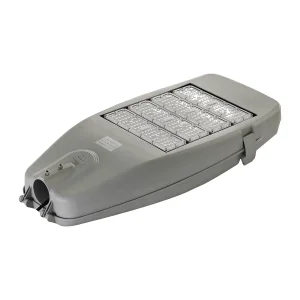
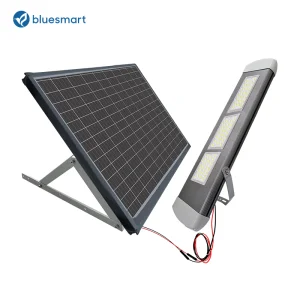
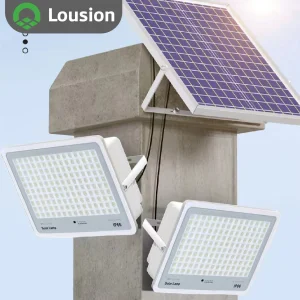
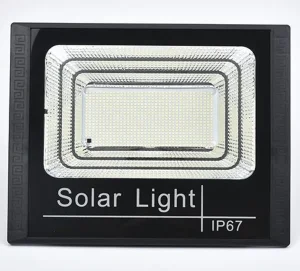
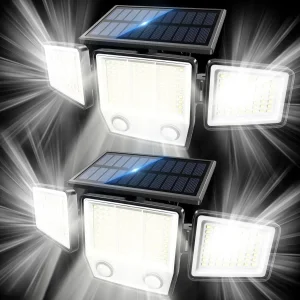
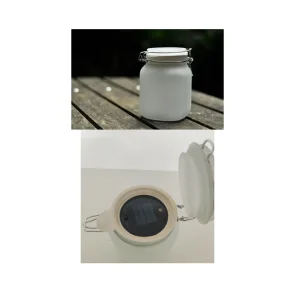
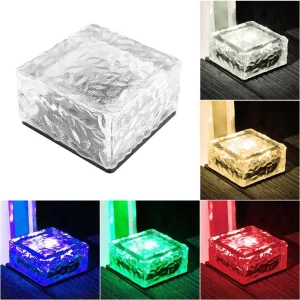
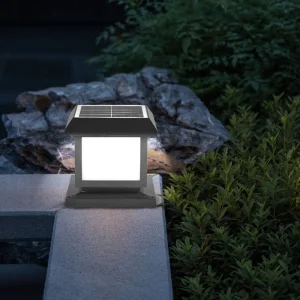
The global transition toward decentralized clean energy infrastructure has elevated solar battery operated lights from auxiliary outdoor fixtures to critical components of municipal grids, industrial logistics hubs, commercial developments, and remote electrification projects. As corporate ESG metrics, carbon-neutrality mandates, and rising grid electricity tariffs accelerate adoption, enterprise procurement teams face the complex challenge of evaluating solar luminaire vendors. Selecting a manufacturer demands deep scrutiny beyond superficial lumens-per-watt metrics; it requires evaluating battery electrochemistry safety, intelligent Power Management Systems (BMS), Maximum Power Point Tracking (MPPT) efficiencies, optical distribution physics, and long-term thermal endurance.
Market analysis indicates that early-generation solar lighting installations suffered high failure rates predominantly linked to inadequate battery chemistry (such as legacy Lead-Acid or low-grade Ternary NMC cells), poor IP moisture ingress sealings, and thermal degradation under extreme weather ambient temperatures. Modern enterprise procurement standards demand integrated architectures utilizing Lithium Iron Phosphate (LiFePO4) energy storage coupled with high-efficiency N-type TOPCon or monocrystalline Photovoltaic (PV) modules and smart dynamic dimming firmware.
Transitioning to automotive-grade LiFePO4 cells ensures up to 10-12 years of operational life, maintaining over 80% capacity after 3,500 to 6,000 deep discharge cycles even under high ambient thermal stress.
Engineered with IP65 to IP67 die-cast aluminum alloy housings and pressure-equalization breather valves to eliminate condensation, salt-spray corrosion, and thermal expansion failure.
Incorporating adaptive microwave doppler radar sensors and smart algorithm controllers that automatically optimize lumen output based on real-time battery State of Charge (SOC) and ambient weather history.
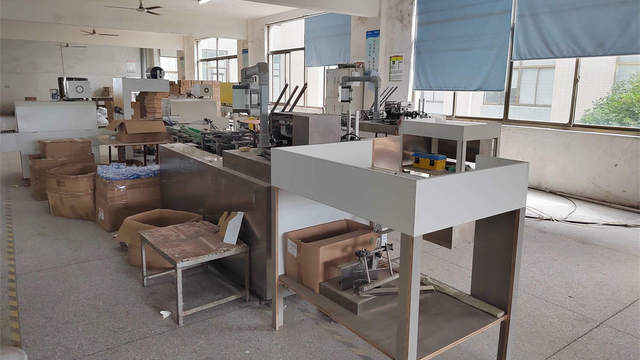
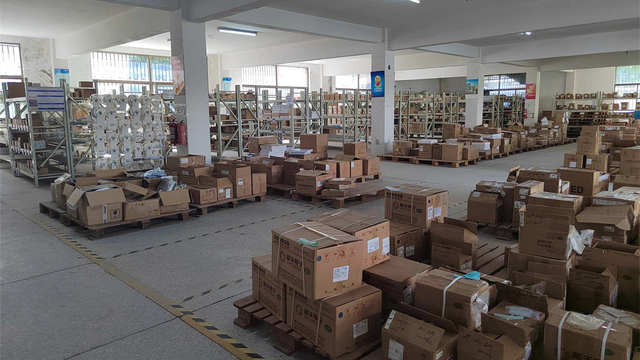
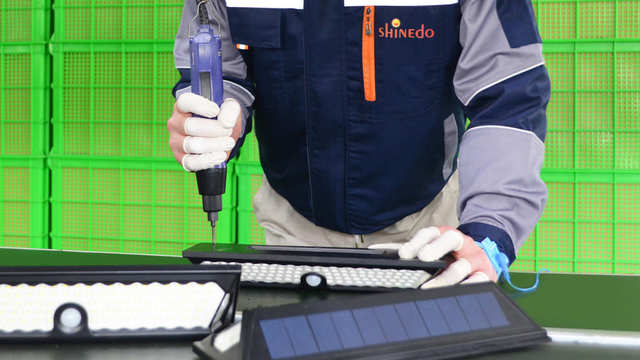
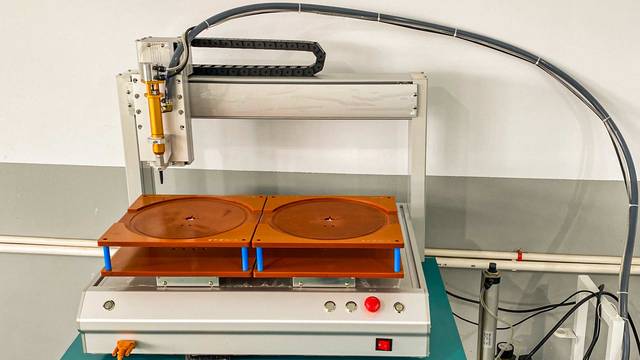
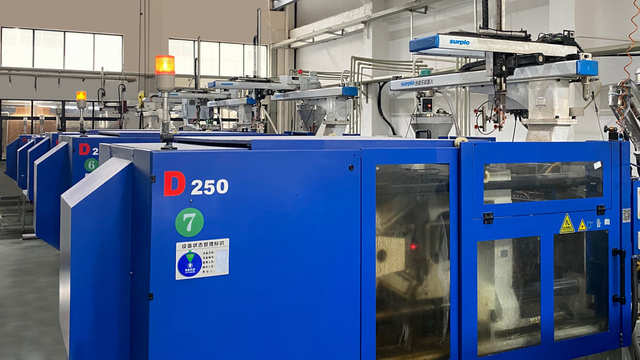
Ningbo GKE Power Co., Ltd. stands as a professional, top-tier Solar Street Light Manufacturer and a globally trusted supplier of integrated solar wall, flood, and pathway lighting solutions. Dedicated to delivering highly efficient, durable, and sustainable outdoor lighting systems worldwide, the company integrates advanced photovoltaic design, battery electrochemistry R&D, precision die-casting, and automated SMT assembly under unified ISO9001 quality management systems.
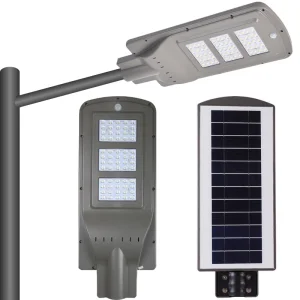
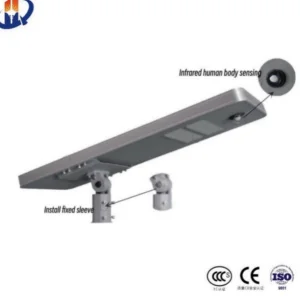
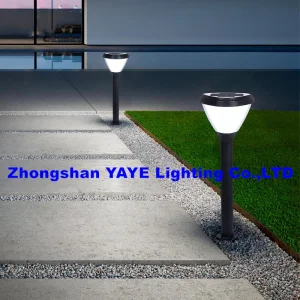
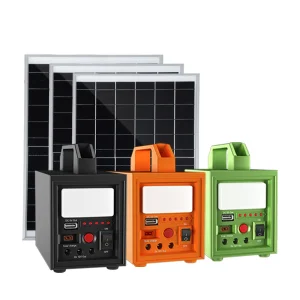
GKE Power offers a comprehensive portfolio of outdoor solar lighting systems—ranging from integrated All-in-One solar street luminaires and modular split street lights to high-lumen solar floodlights, decorative bollards, and portable solar power kits. These technologies are widely deployed in municipal urban arterial roads, highway intersections, residential communities, industrial parks, public transit hubs, and international off-grid rural electrification initiatives. Products are systematically built using ultra-high-efficiency monocrystalline solar panels, long-cycle lithium batteries, and proprietary intelligent controller platforms to guarantee uninterrupted operation even during extended consecutive rainy or overcast days.
Beyond standardized product lines, Ningbo GKE Power Co., Ltd. provides robust OEM and ODM engineering capabilities. Recognizing that global infrastructure projects present unique solar irradiance values (kWh/m²/day), operating temperature spans (-20°C to +65°C), and localized lighting compliance standards (such as EN13201 or IESNA RP-8), GKE Power tailors specific photometrics, battery capacity ratios, panel tilt dimensions, and smart dimming profiles to match exact procurement specifications.
Achieving utility-grade reliability in solar battery operated luminaires requires system-level engineering balance. The performance envelope is governed by the triangle of energy harvesting (PV Panel), energy storage (Battery Pack), and energy regulation (MPPT Controller & Driver).
| Engineering Dimension | Legacy / Low-End Specification | Enterprise Tier-1 Standard (GKE Power Baseline) | Operational Impact & ROI Benefit |
|---|---|---|---|
| Battery Chemistry | Lead-Acid / Recycled Ternary NMC (18650) | New Grade-A Lithium Iron Phosphate (LiFePO4 32700 / Prismatic) | Extends lifetime from 1-2 years to 8-12 years; thermal stability up to 65°C without thermal runaway risk. |
| Solar Cell Technology | Polycrystalline (15-17% efficiency) | Monocrystalline N-Type TOPCon / PERC (22.5-23.5% efficiency) | Generates up to 35% more power per square meter; superior low-light and cloudy day energy harvesting. |
| Charging Topology | Pulse Width Modulation (PWM) Controller | Dynamic Maximum Power Point Tracking (MPPT) System | Increases charging efficiency by 15-30% compared to PWM, maximizing charge during short daylight windows. |
| Enclosure Protection | IP55 Plastic / Sheet Stamped Iron | ADC12 Die-Cast Aluminum + IP67 Pressure Equalizer Valve | Prevents internal vacuum condensation, withstands Category 15 typhoons and aggressive coastal salt spray. |
| Thermal Management | Passive air cavity without isolation | Thermally isolated dual-chamber battery housing + silicone potting | Prevents heat transfer from solar panel backsheet to lithium cells, preserving battery state-of-health (SOH). |
The primary operational cause of solar lighting blackouts is unmanaged energy exhaustion during prolonged rain events. Advanced manufacturers implement dynamic algorithm controllers that continuously monitor the battery State of Charge (SOC). When the battery capacity drops below predefined thresholds (e.g., 30%), the intelligent controller dynamically scales down wattage output while maintaining safety-critical motion sensor response—extending autonomy up to 7 consecutive night cycles without full panel recharge.
International commercial tenders and municipal procurement contracts demand rigorous adherence to electrical safety, electromagnetic compatibility, environmental impact, and optical distribution standards. Sourcing from a certified manufacturer mitigates project compliance risks and ensures long-term warranty backed by verifiable test data.
In North America and Europe, products must conform to CE, RoHS, FCC Part 15 Class B, and UL2088 requirements. Optical distributions are vetted via IES LM-79-08 and LM-80 test reports to prove LED lumen maintenance over 50,000 hours. Furthermore, dark-sky compliance (IDA certification guidelines) requires full cut-off optics with 0% upward light output ratio (ULOR) to protect nocturnal ecosystems.
Deployments in GCC countries (Saudi Arabia, UAE) and Equatorial Africa require specialized thermal isolation. Ambient temperatures exceeding 50°C paired with direct solar backsheet heat (reaching 85°C) will rapidly degrade standard batteries. GKE Power utilizes subterranean or isolated heat-shielded battery compartments alongside custom BMS high-temp cut-off protection.
While the initial Capital Expenditure (CapEx) for standalone high-power solar lighting luminaires can be higher than conventional AC grid-powered fixtures, the operational math drastically shifts when evaluating total project infrastructure costs. Eliminating trenching, cabling, electrical distribution panels, transformer step-downs, and ongoing monthly utility invoices results in immediate long-term savings.
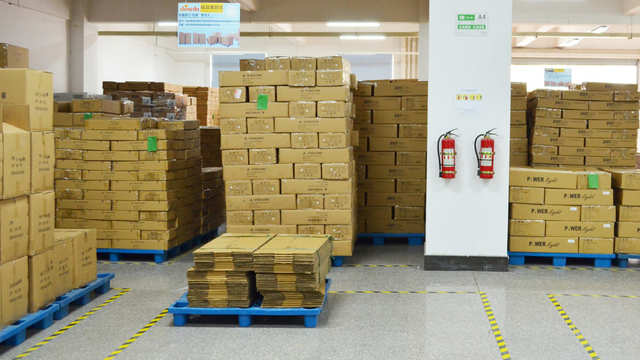
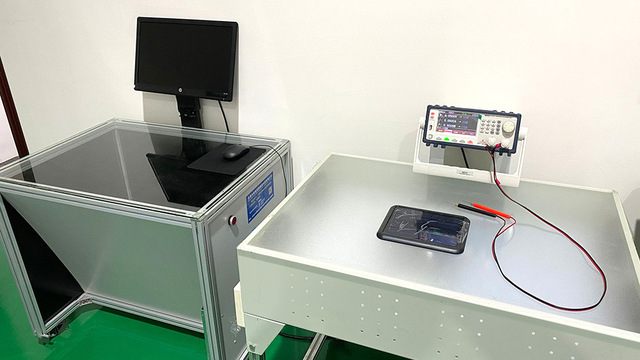
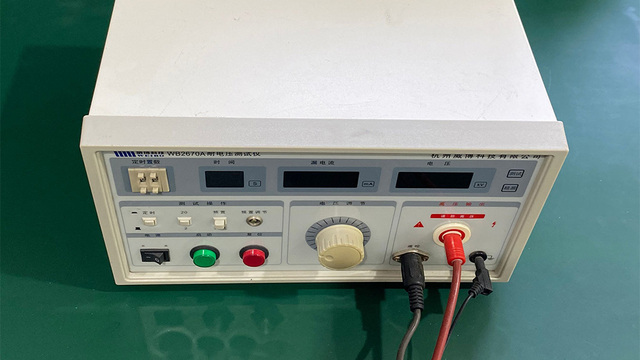
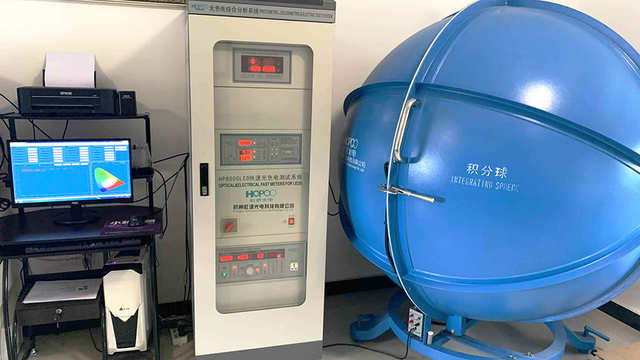
Every batch of solar battery operated lights produced at Ningbo GKE Power Co., Ltd. undergoes rigorous multi-stage testing protocol: waterproof dunk testing, integrating sphere photometric calibration, thermal aging chamber analysis, and high-frequency vibration testing to guarantee structural integrity during ocean freight transport.



Comprehensive answers to standard technical, logistics, and customization queries raised by engineering consultants, distributors, and EPC contractors.
LiFePO4 (Lithium Iron Phosphate) offers unmatched thermal stability, chemical safety, and cycle life. It survives over 3,500 to 6,000 full charge-discharge cycles compared to 500-1,000 cycles in standard NMC batteries. Furthermore, LiFePO4 will not undergo thermal runaway or combustion even under severe physical puncture or high ambient operating temperatures up to 65°C.
Our luminaires are engineered with an integrated autonomy ratio of 3 to 7 days depending on customer design specifications. Utilizing dynamic MPPT controllers and smart dimming profiles, the system automatically detects lowered PV voltage generation and scales LED wattage down intelligently, preserving core battery power to guarantee uninterrupted illumination throughout extended bad weather periods.
Standard MOQ for custom OEM production ranges between 50 to 100 units depending on housing molds and customization requirements. Standard production lead times are typically 15 to 25 days following technical drawing sign-off and sample approval. Standard stocked models can be dispatched faster.
Yes. GKE Power provides custom optical lens engineering including Type II-M, Type III-M, and symmetric 120° flood distributions. By matching the optical lens to your mounting height and spacing, we maximize uniformity (U0 > 0.4) while eliminating dark zones between light poles.
Our factory and products hold international compliance certifications including ISO9001, CE, RoHS, IP65/IP67 ingress ratings, IK09/IK10 mechanical impact certificates, and IES LM-79/LM-80 photometric test reports. UN38.3 and MSDS certifications are provided for smooth ocean freight battery logistics.
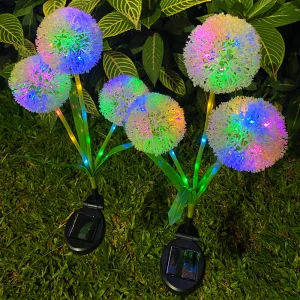
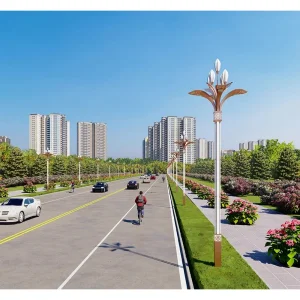
Explore our versatile catalog of decorative, architectural, garden, underground battery, and heavy-duty integrated outdoor solar luminaires.
 GKE Power