Explore our top-tier integrated solar luminaires featuring high-efficiency monocrystalline PV modules, advanced MPPT charging controllers, and resilient IP-rated designs.
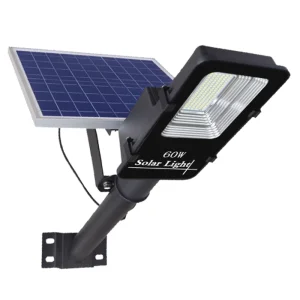
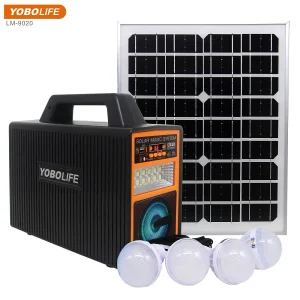

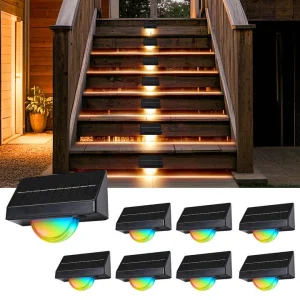
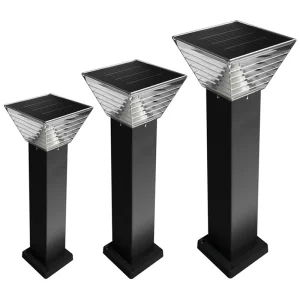
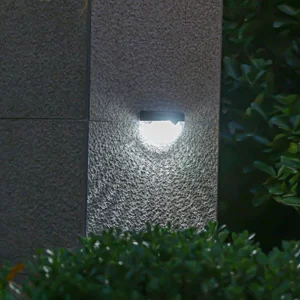
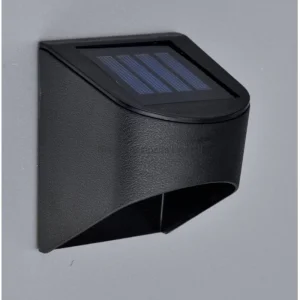
The global transition to smart municipal grid networks and zero-carbon infrastructure has driven integrated solar lighting technology into a mature industrial stage. The modern market is transitioning rapidly from "split-type" configuration models (consisting of separated solar panels, lead-acid batteries, and isolated LED components) toward highly consolidated, single-unit solar integrated systems (All-in-One and All-in-Two). In 2025, commercial, industrial, and municipal utility developers evaluate solar lighting solutions through strict parameters: photometrical efficiency, thermal resilience, battery management logic, and cloud compatibility.
Key drivers behind the mass-adoption of integrated systems include significantly lower installation labor costs (often reduced by up to 70% compared to traditional wired systems), zero ongoing utility operating expenses, and reduced vulnerability to copper wire theft. Furthermore, developments in micro-controller firmware permit automated lighting profiles that adjust dynamic power settings according to historical meteorological statistics, battery charge status, and ambient infrared sensor triggers.
Not all solar integrated lighting manufacturers are engineered equally. When purchasing directors and engineers review global suppliers, the separation between average consumer-grade product manufacturers and high-specification industrial leaders becomes evident in the choice of raw materials and operational firmware. Below is the framework to assess the absolute top manufacturers in the sector:
Tier-1 manufacturers prioritize high-efficiency monocrystalline silicon panels with bypass diodes. These panels exhibit lower temperature coefficients and function optimally under weak diffuse lighting conditions, unlike low-grade polycrystalline components.
Thermal stability is paramount. Leading suppliers use lithium iron phosphate (LiFePO4) chemistry managed by smart BMS cards, safeguarding the cell array from overcharging, deep discharge, and catastrophic thermal runaway.
Maximum Power Point Tracking (MPPT) logic allows the lighting controller to dynamically track the voltage-current curve of the solar panel, yielding up to 30% more charging current compared to basic PWM modules.
A rigorous evaluation matrix ensures project developers avoid premature system failure in field applications. Modern specifications dictate that quality suppliers demonstrate technical competence across several crucial engineering fields:
| Evaluation Parameter | Industry Standard Threshold | Tier-1 Supplier Specification | Critical Risk Area |
|---|---|---|---|
| Battery Chemistry & Lifespan | Ternary Lithium (500 cycles) | LiFePO4 (Grade A cells, >2000-3000 cycles) | Rapid capacity fade, thermal runway under high ambient heat |
| Luminous Efficacy | 120 - 140 lm/W | 170 - 210 lm/W (using Philips/Bridgelux SMD chips) | Excessive power consumption, dark zones, early LED degradation |
| Enclosure Protection | IP65 (dust/low jet spray water) | IP66 or IP68 (hermetically sealed, corrosion-proof coating) | Moisture ingress, internal PCB short-circuits, lens clouding |
| System Autonomy (Rainy Days) | 1 - 2 Days nominal | 5 - 7 Days (using dimming, sensor profiles, smart MPPT) | Complete blackout during prolonged overcast seasons |
| Controller Technology | Standard Pulse Width Modulation (PWM) | Embedded Multi-stage MPPT with IoT mesh interface | Inefficient PV harvest, slow battery recovery rates |
In addition to physical components, compliance with international certifications (such as CE, RoHS, FCC, UL, CB, and IP ratings) is an absolute prerequisite. Top suppliers invest in their own optical labs, including integrating spheres and goniophotometer test chambers, allowing them to provide authentic IES lighting distribution files to engineering consultants for Dialux simulations.
Within this rigorous paradigm, Ningbo GKE Power Co., Ltd. stands as a professional Solar Street Light Manufacturer and a trusted supplier of solar wall and pathway lighting solutions, dedicated to delivering efficient and sustainable outdoor lighting systems worldwide. With a strong focus on renewable energy technology, the company integrates design, research and development, and manufacturing to provide reliable solar lighting products for diverse applications.
GKE Power offers a comprehensive range of outdoor solar lighting solutions, including solar street lights, solar wall lights, and solar pathway lights, widely used in urban roads, residential communities, parks, campuses, and rural electrification projects. Its products are designed with high-efficiency solar panels, long-lasting lithium batteries, and intelligent control systems to ensure stable performance, energy savings, and low maintenance costs.
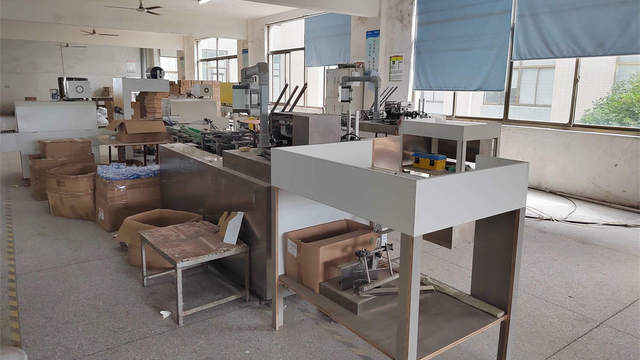
Backed by advanced production facilities and a skilled engineering team, the company is committed to strict quality control and continuous innovation. All products are manufactured in compliance with international standards, ensuring durability and reliability in various environmental conditions.
In addition to standard product lines, Ningbo GKE Power Co., Ltd. provides flexible OEM and ODM services, enabling customers to customize lighting solutions based on specific project requirements. Guided by the vision of promoting green energy and smart lighting, GKE Power continues to support global infrastructure development with cost-effective and environmentally friendly solar lighting solutions.
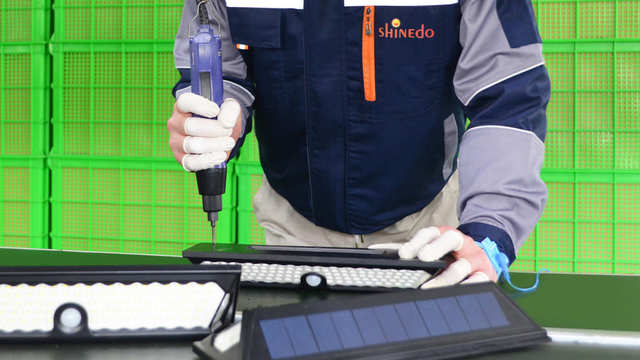
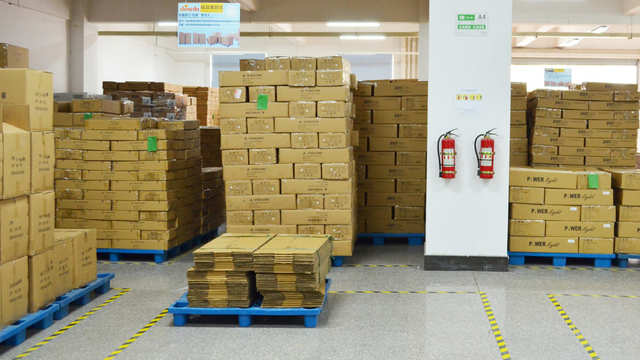
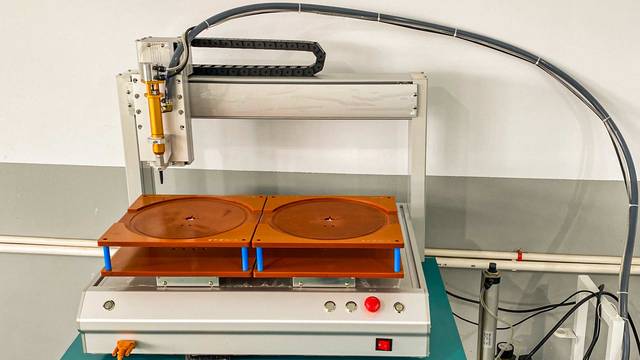
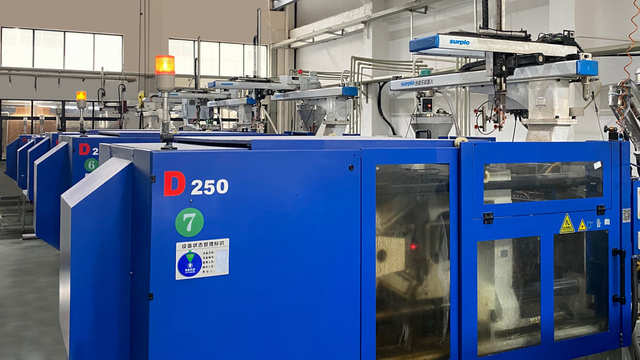
Step inside the manufacturing floor of Ningbo GKE Power Co., Ltd. to observe the meticulous assembly, testing, and distribution processes of high-reliability solar hardware.
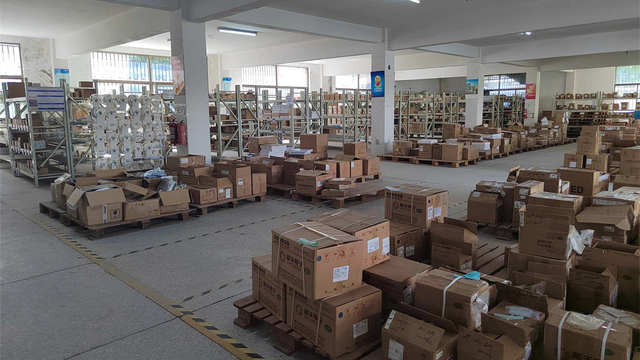

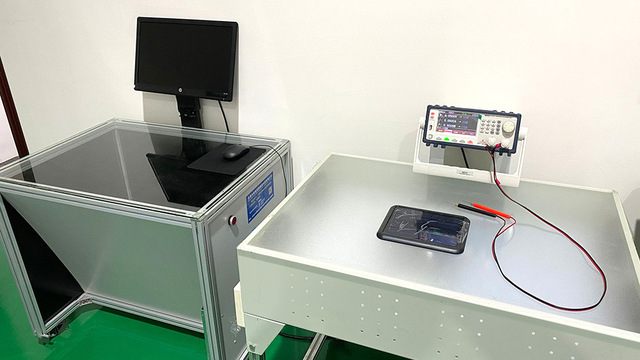
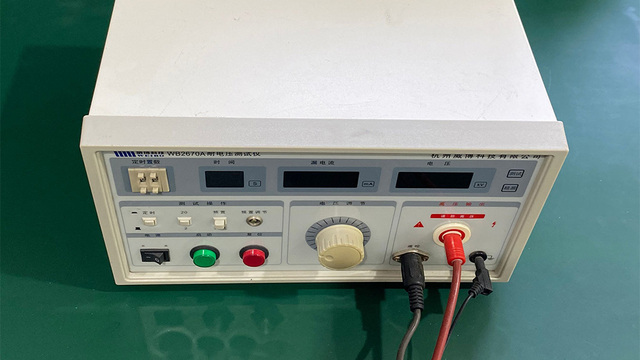


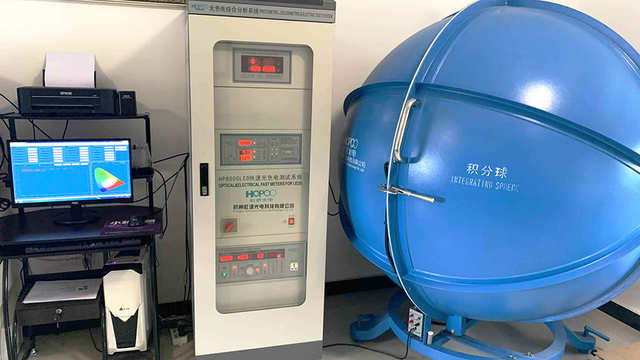
Navigating global regulatory compliance is one of the most demanding tasks for procurement officers. Solar lighting units deployed in public infrastructure must satisfy stringent localized safety, environmental, and electromagnetic standards. GKE Power bridges these regional compliance gaps through rigorous technical alignments:
Through its robust OEM and ODM framework, GKE Power addresses diverse technical scenarios. For instance, in areas with lower peak sun hours (e.g., Northern Europe), GKE engineers adjust the solar panel size relative to the battery capacity. For tropical desert conditions (e.g., the Middle East), they incorporate specialized cooling ducts and thermal insulation to keep the LiFePO4 batteries within safe operational temperature limits.
Integrated solar lighting is no longer restricted to simple decorative uses. Industry-grade advancements make it ideal for:
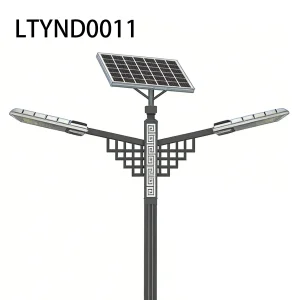
1. Remote Public Roadways & Electrification: Cost-effective streetlighting for communities where extending grid infrastructure is financially unfeasible.
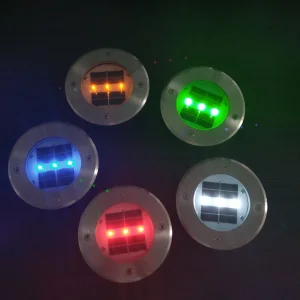
2. Marine & Harbor Facilities: Heavy-duty step and ground road markers that withstand high humidity, coastal fog, and heavy vehicle traffic loads.
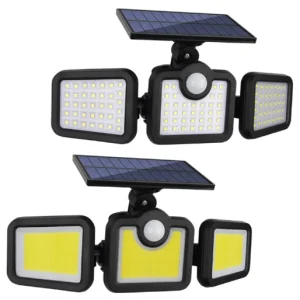
3. Residential Parks & Architectural Landscapes: Highly reliable motion-sensor and decorative pathway lights that match urban aesthetic guidelines.
The solar integrated lighting sector is on the verge of major technological breakthroughs. Manufacturers are shifting their R&D away from simple mechanical components toward advanced materials and smart network integration. Here is what to expect in the next five years:
Future solar street lighting systems will double as edge-computing smart poles. They will feature built-in cameras, air quality monitors, and micro-sensors connected through 5G or LoRaWAN mesh networks. The central platform will use machine learning to analyze pedestrian patterns, dynamic weather cycles, and battery state-of-health (SoH) diagnostics, adjusting light intensity in real-time to save energy while keeping roads safe.
While monocrystalline silicon remains the industry benchmark, tandem solar cell designs using Perovskite coatings are quickly moving toward mass production. This technology holds the potential to push solar panel conversion efficiency beyond 28%, significantly reducing the physical size of integrated solar panels.
As solid-state battery technology matures, it will eventually replace liquid-electrolyte LiFePO4 batteries in premium industrial lighting installations. Solid-state packs will eliminate thermal runaway risks and perform reliably in extreme climates ranging from -40°C to 80°C.
Detailed technical answers to common questions asked by municipal planners, distributors, and engineering contractors.
Examine our heavy-duty floodlights, underground markers, and smart security luminaires engineered for municipal and commercial projects.
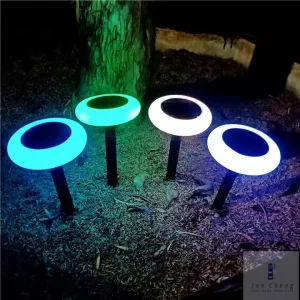
 GKE Power