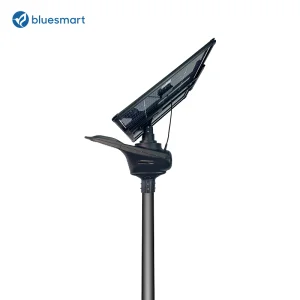
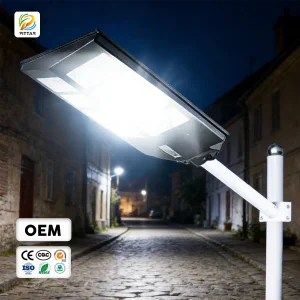
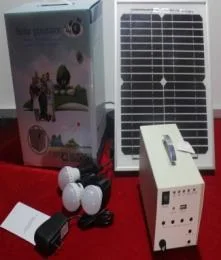
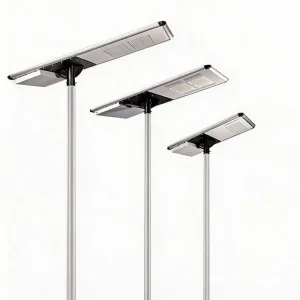
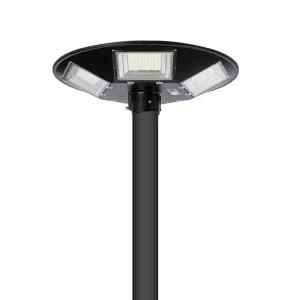
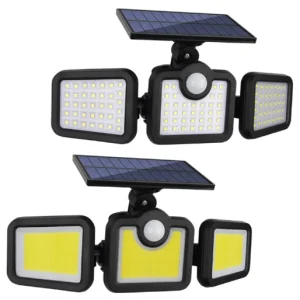
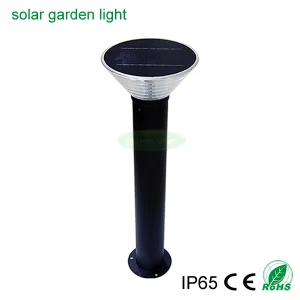
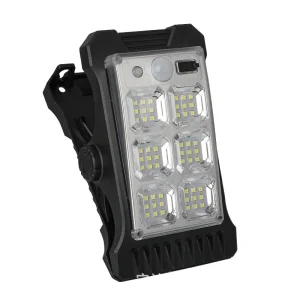
As the world pivots toward decentralized energy and smart city infrastructure, Solar Motion Detection Lights have emerged as the cornerstone of sustainable urban development. Beyond simple illumination, these systems represent a convergence of photovoltaic efficiency, intelligent sensing, and advanced battery management.
The global demand for solar-powered motion sensor lighting is projected to grow at a CAGR of over 15% through 2030. Key drivers include the European Green Deal, rapid urbanization in Southeast Asia, and off-grid electrification initiatives in Sub-Saharan Africa. High-trust factories are no longer just component assemblers; they are now integrated solution providers addressing complex environmental challenges.
Modern procurement specialists now prioritize "Adaptive Dimming Algorithms" and "Cloud-Connected Monitoring." A standard PIR sensor is no longer enough; industry leaders like Ningbo GKE Power are integrating microwave induction and AI-driven thermal sensors to reduce false triggers and optimize battery life by up to 40% compared to traditional models.
The transition from Lead-Acid to LiFePO4 (Lithium Iron Phosphate) batteries has revolutionized the industry. These batteries offer over 2000 cycles, maintaining 80% capacity even after 5 years of daily use. Coupled with MPPT (Maximum Power Point Tracking) controllers, modern solar lights can charge efficiently even during overcast days.
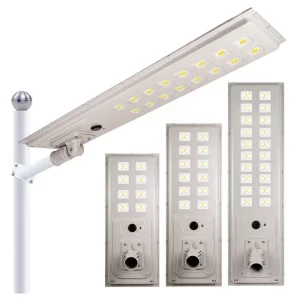
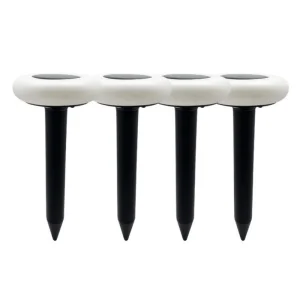
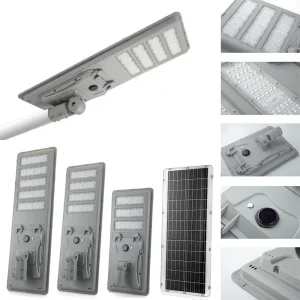
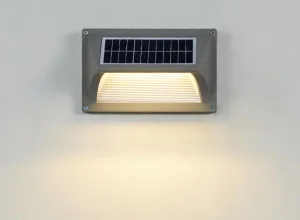
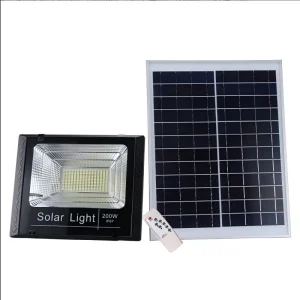
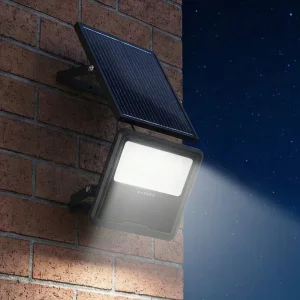
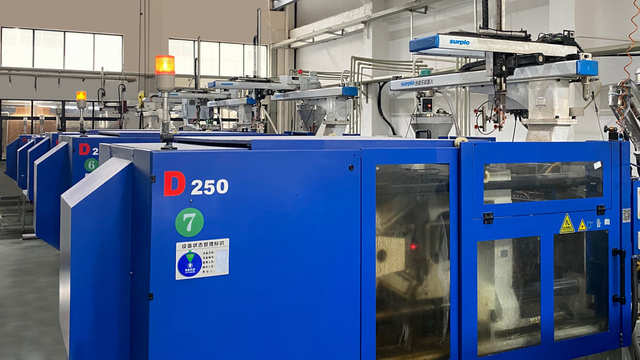
Ningbo GKE Power Co., Ltd. stands as a professional Solar Street Light Manufacturer and a trusted supplier of solar wall and pathway lighting solutions. Our core philosophy integrates design, research and development, and advanced manufacturing to provide reliable solar lighting products for diverse applications.
With a robust focus on renewable energy technology, we ensure that every unit produced adheres to the strictest international standards. Our systems are widely used in urban roads, residential communities, parks, campuses, and rural electrification projects.
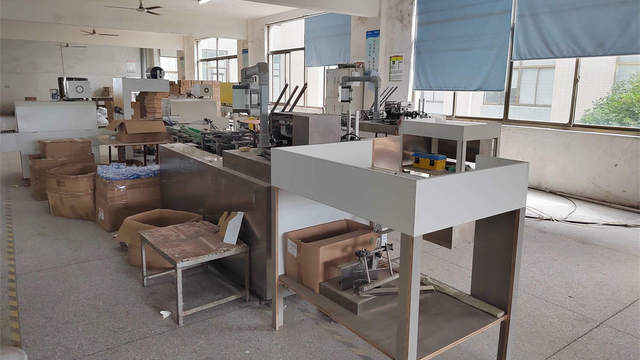
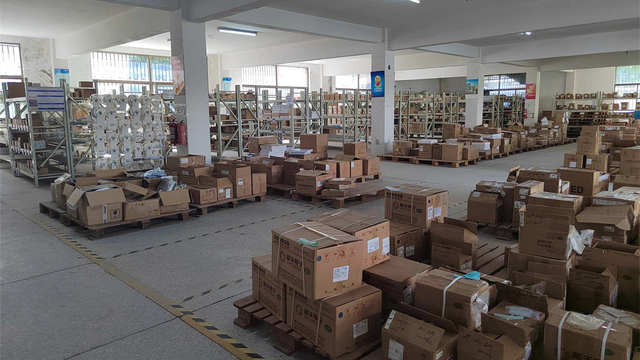

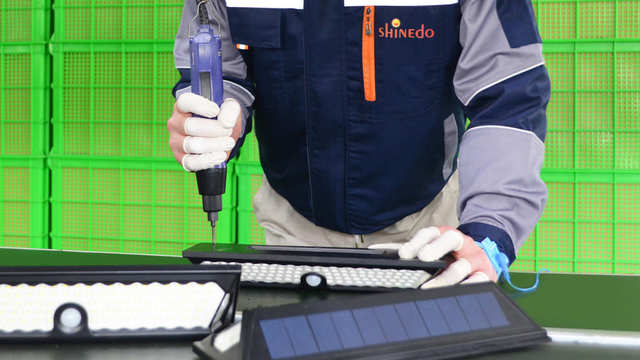
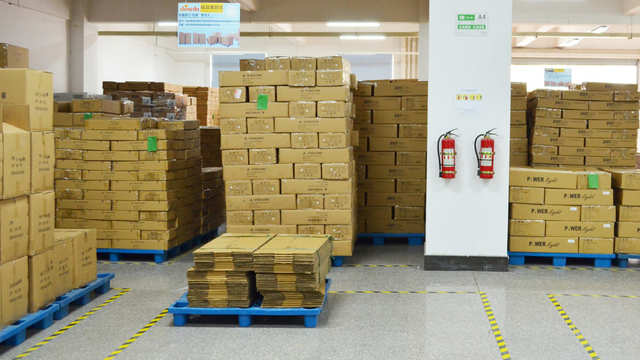
We provide flexible OEM and ODM services, enabling customers to customize lighting solutions based on specific project requirements, including lumen output, battery capacity, and casing material.
All products are manufactured in compliance with international standards such as CE, RoHS, and IP65/IP67, ensuring durability and reliability in harsh environmental conditions from deserts to coastal areas.
Integrating IoT-ready controllers that allow for remote monitoring, diagnostic reporting, and centralized control of large-scale street lighting networks.
The next frontier in solar motion detection is Integrated Energy Management Systems (IEMS). Future iterations will focus on bi-facial solar panels that capture reflected light from the ground, increasing energy yield by up to 25%. Additionally, AI-optimized motion sensing will differentiate between wildlife, foliage movement, and human activity to ensure security without unnecessary power consumption.
Motion sensors allow the lighting system to operate at a dimmed "eco-mode" (e.g., 20% brightness) when no activity is detected, instantly switching to 100% brightness upon motion detection. This preserves battery energy for rainy days and extends the overall lifespan of the LED chips by reducing heat accumulation.
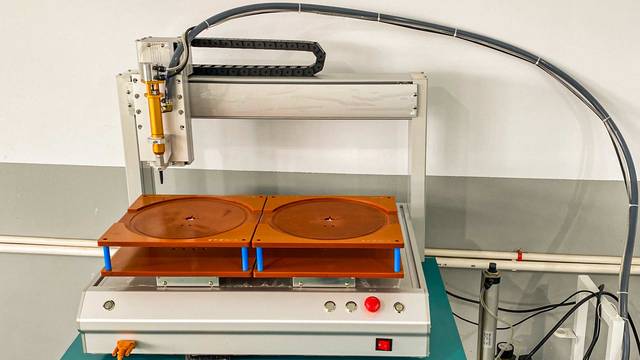
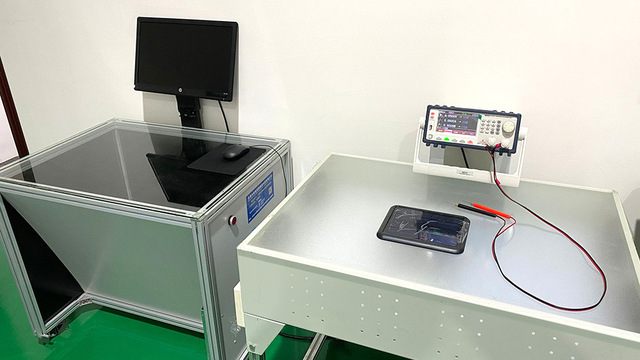
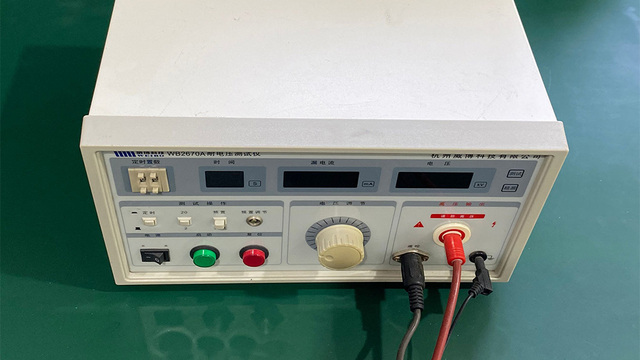
Our products undergo rigorous testing including high-temperature aging, salt spray tests for coastal corrosion resistance, and waterproof vacuum testing. We use aviation-grade aluminum and tempered glass to prevent yellowing and degradation under intense UV exposure.
For standard models, lead times range from 15-25 days. Customized OEM projects typically require 35-45 days depending on the complexity of the design and certification requirements. We maintain a strategic stock of core components to expedite urgent project needs.
PIR (Passive Infrared) is cost-effective and detects body heat, making it ideal for residential use. Microwave (Radar) sensors are more sensitive, have a wider range, and can detect motion through thin walls or foliage, making them superior for high-security or industrial applications.


 GKE Power