Explore high-efficiency B2B solutions engineered for high performance, weather resistance, and maximum lifespan.
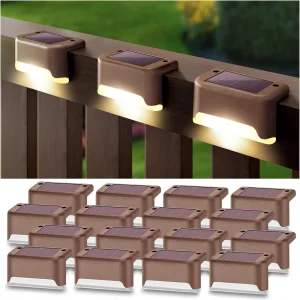
The international transition toward clean municipal infrastructure and green building design has transformed solar outdoor lighting from a simple eco-friendly alternative to a core industrial standard. Modern architectural planning requires localized clean grids that reduce operating expenditures (OpEx), require zero carbon output, and survive critical weather anomalies. Real-world applications demand high efficacy, resilience against grid outages, and ease of deployment.
Key technological milestones include the mainstream deployment of Lithium Iron Phosphate (LiFePO4) batteries, high-performance Monocrystalline Silicon cells, and smart Maximum Power Point Tracking (MPPT) controllers. These technologies ensure that commercial installations in parking areas, public pathways, and rural roads remain consistently illuminated through prolonged periods of cloud cover or seasonal variations.
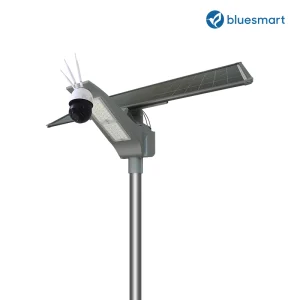
Furthermore, with the introduction of IoT (Internet of Things) nodes into street light designs, smart remote telemetry is quickly becoming standard practice. Energy monitoring, real-time diagnostic reporting, and auto-dimming features are optimizing municipal power footprints globally.
Utilization of grade-A monocrystalline panels achieving conversion rates beyond 22%, paired with customized smart power profiles.
Sourcing durable LiFePO4 cells designed for over 3,000 deep discharge cycles, maintaining operation in extreme high and low-temperature zones.
Enclosures with IP65, IP67, and IP68 moisture protection parameters, designed with marine-grade materials to prevent oxidation.
Crucial standards B2B buyers must prioritize when selecting utility-grade lighting systems.
Global procurement teams prioritize tier-1 battery cell grading. True industrial durability demands battery management systems (BMS) with over-charge, over-discharge, and thermal runaway protection. Cheap alternatives fail within 12 months, causing high replacement costs.
Projects now request smart controls. Modern systems must support DALI, Zigbee, LoRa, or NB-IoT technologies, enabling maintenance operators to remotely modify dimming schedules, evaluate battery status, and track light degradation.
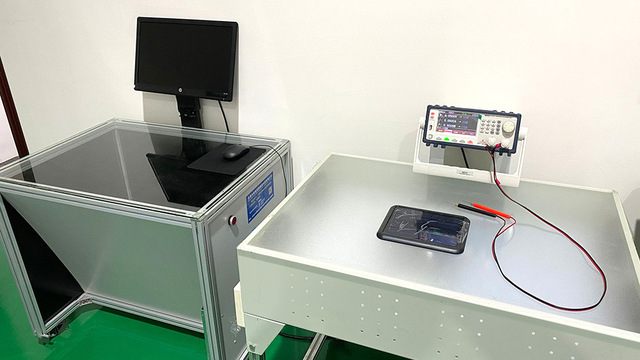
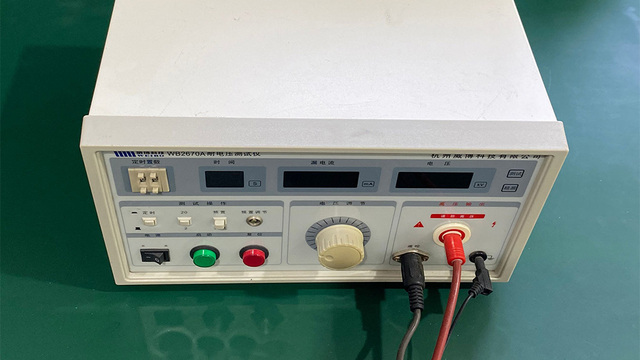
Reliable projects require proof of compliance. Leading manufacturers provide verifiable credentials including CE, RoHS, FCC, and specific market standard certifications such as Verasol for off-grid lighting initiatives, indicating safety and durability.
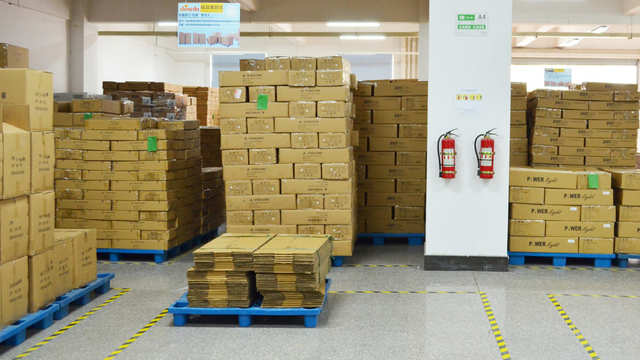
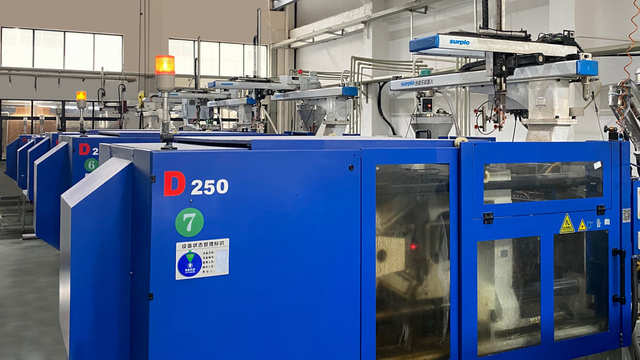
The manufacturing ecosystem in Ningbo, China, represents the global state of the art in photovoltaic fabrication, structural machining, and SMT circuit placement. Choosing a manufacturer that handles vertical integration—from optical lens engineering and die-cast aluminum tooling to computerized assembly line testing—guarantees stable quality control and consistent delivery schedules.
Resilient Logistics & Critical Component Access: Due to dense industrial localization, raw aluminum, battery cells, electronic boards, and custom LED drivers are sourced close to production lines. This proximity minimizes raw material transport times and insulates international procurement against logistics issues.
Technological Customization (OEM/ODM): Modern infrastructure requires flexible design adaptations. Factory 4.0 production models allow fast modification of lumen levels, solar panel dimensions, controller programming, and powder coating finishes to meet specific municipal, marine, or industrial layout needs.
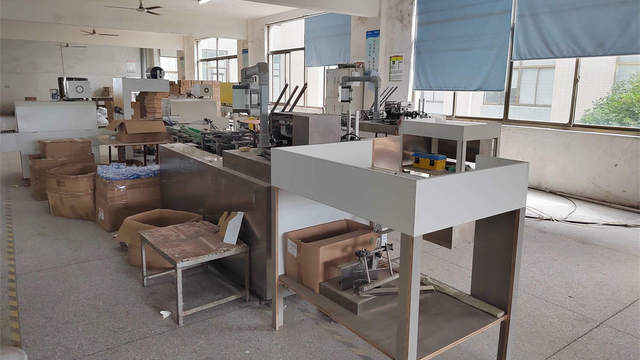
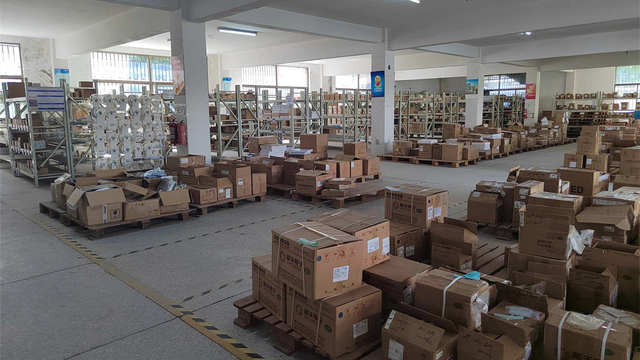

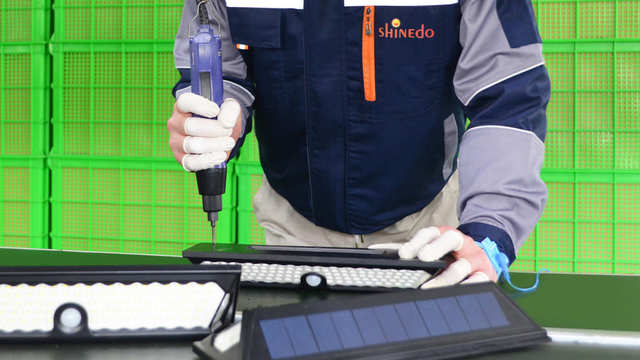
How modern solar lighting configurations are adapted for diverse environmental and functional challenges.
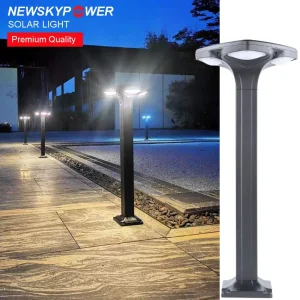
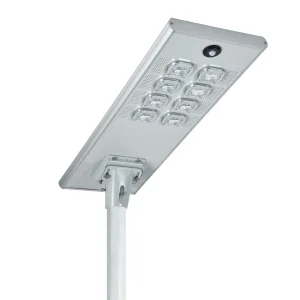
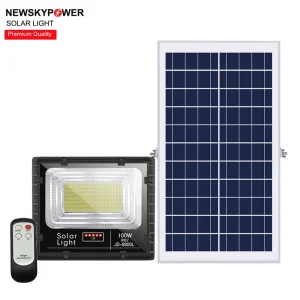
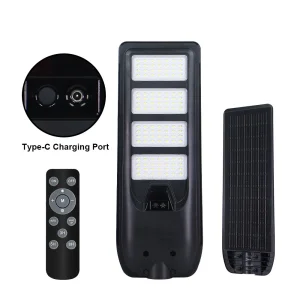
High-lux solar street lights with intelligent motion sensing. Operating at full brightness upon sensing traffic, these fixtures dim during quiet hours to conserve battery power, providing reliable, maintenance-free public illumination.
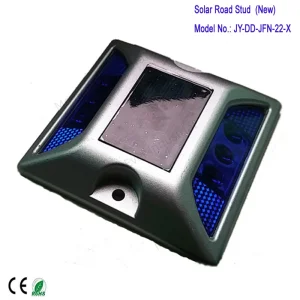
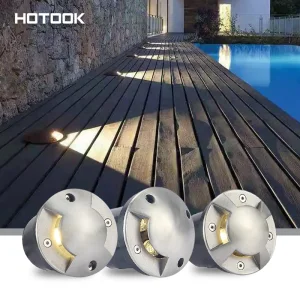
Constructed with IP68 waterproof inground housings and anti-corrosive powder coatings. These fixtures are designed to withstand high humidity, coastal fog, and heavy storm activity without water ingress or housing degradation.
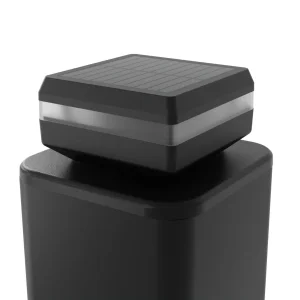
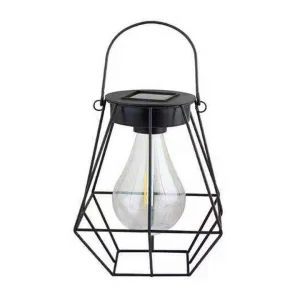
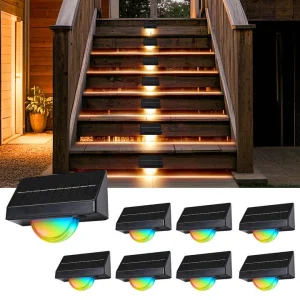
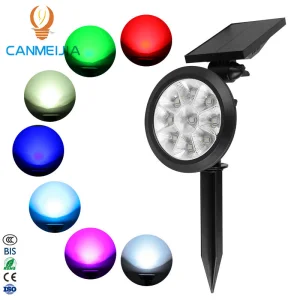
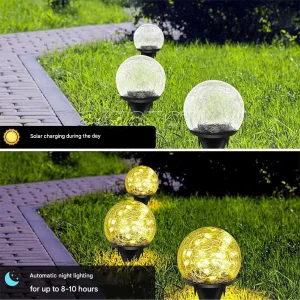
Combines aesthetic design with utility. Features like color-changing RGB garden lamps and decorative bollards improve public spaces while relying on green off-grid energy to operate independently.
A trusted global supplier of solar street lighting and pathway illumination solutions.
Ningbo GKE Power Co., Ltd. is a professional Solar Street Light Manufacturer and a trusted supplier of solar wall and pathway lighting solutions, dedicated to delivering efficient and sustainable outdoor lighting systems worldwide. With a strong focus on renewable energy technology, the company integrates design, research and development, and manufacturing to provide reliable solar lighting products for diverse applications.
GKE Power offers a comprehensive range of outdoor solar lighting solutions, including solar street lights, solar wall lights, and solar pathway lights, widely used in urban roads, residential communities, parks, campuses, and rural electrification projects. Its products are designed with high-efficiency solar panels, long-lasting lithium batteries, and intelligent control systems to ensure stable performance, energy savings, and low maintenance costs.
Backed by advanced production facilities and a skilled engineering team, the company is committed to strict quality control and continuous innovation. All products are manufactured in compliance with international standards, ensuring durability and reliability in various environmental conditions.
In addition to standard product lines, Ningbo GKE Power Co., Ltd. provides flexible OEM and ODM services, enabling customers to customize lighting solutions based on specific project requirements. Guided by the vision of promoting green energy and smart lighting, GKE Power continues to support global infrastructure development with cost-effective and environmentally friendly solar lighting solutions.



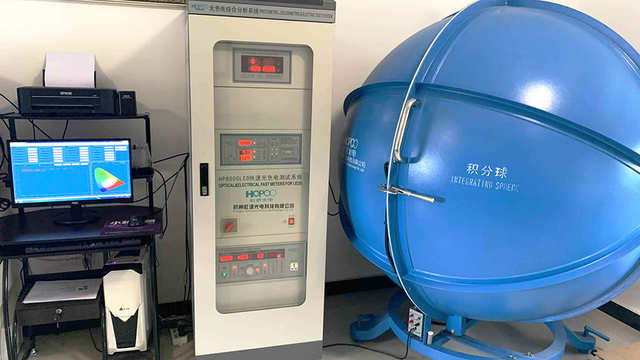
Technical guidance for infrastructure buyers and electrical contractors.
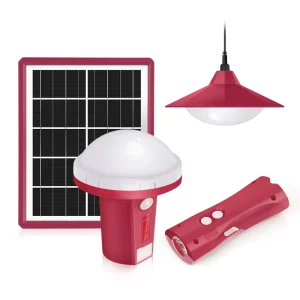
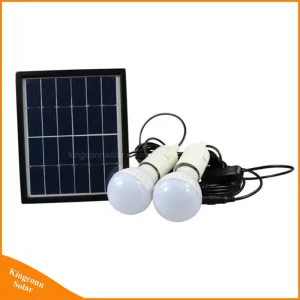
Complete project requirements with our reliable selection of solar systems and garden accents.
 GKE Power