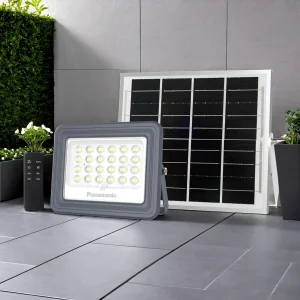
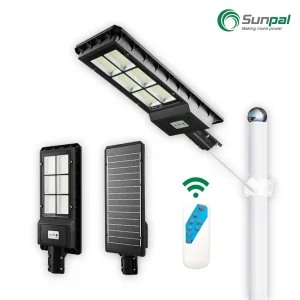
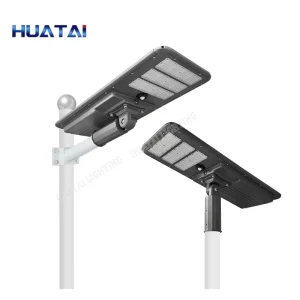
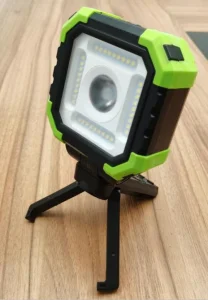
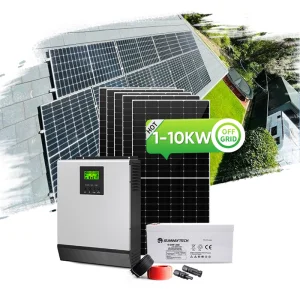
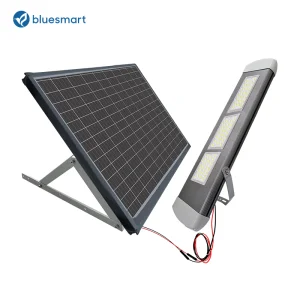
Discover high-output photovoltaic lighting engineered for architectural accents, pathways, and commercial parameters.
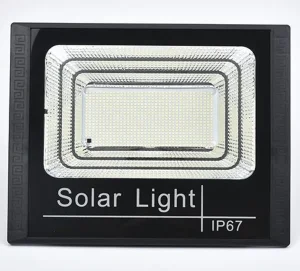
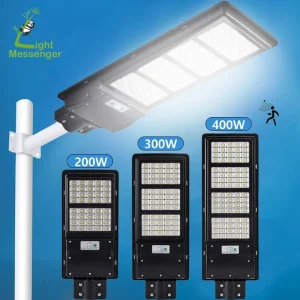
The commercial landscape of outdoor illumination is undergoing a massive shift towards off-grid high-performance photovoltaic (PV) integration. Driven by carbon neutrality directives and microgrid infrastructure scaling, solar outdoor spotlights have evolved from simple aesthetic enhancements to critical components of municipal security and corporate environmental compliance programs.
Modern commercial arrays are moving away from traditional polycrystalline formats to advanced N-Type Monocrystalline Silicon panels, achieving light-to-electricity conversion efficiency rates of 22% to 24.5% even under diffuse light conditions.
Battery chemistries have transitioned to Lithium Iron Phosphate (LiFePO4). With operational lifespans exceeding 3000 charge cycles at 80% DOD and stable thermal runaways, they withstand extreme weather shifts from -25°C to 65°C.
Maximum Power Point Tracking (MPPT) logic systems dynamically optimize standard voltage differences. In contrast to legacy PWM controllers, MPPT boosts charging efficiency by up to 30% during overcast seasonal shifts.
Corporate enterprise purchasing managers, municipal coordinators, and landscape lighting engineering contractors have distinct requirements when executing bulk tenders. To guide technical selection committees, GKE Power highlights key parameters below:
| Technical Parameter | Standard Commercial Grade | Industrial & Municipal Grade | Critical Compliance Standard |
|---|---|---|---|
| Ingress Protection (IP) | IP65 (Dust tight, water jet protection) | IP66 / IP67 / IP68 (Water submersion proof) | EN 60529 / IEC 60529 |
| Optical Efficacy | 120 - 150 Lumens per Watt | 180 - 210 Lumens per Watt | LM-79 / LM-80 Testing Reports |
| Battery Lifecycle | 1500 Cycles (Li-ion or Ternary) | 3500 - 5000 Cycles (Premium LiFePO4) | UN38.3, MSDS, IEC 62133 Certification |
| Wind Resistance Load | Up to Class 10 Typhoons | Up to Class 14+ Storm Gusts | Structural FEA Mechanical Reports |
| Intelligent Control | Time / PIR Motion Sensing | IoT LoRa / NB-IoT Smart Grid Connected | FCC Part 15 / CE RED Directive |
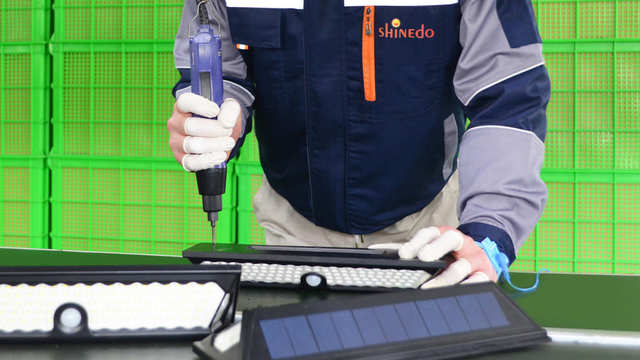
Ningbo GKE Power Co., Ltd. is a professional Solar Street Light Manufacturer and a trusted supplier of solar wall and pathway lighting solutions, dedicated to delivering efficient and sustainable outdoor lighting systems worldwide. With a strong focus on renewable energy technology, the company integrates design, research and development, and manufacturing to provide reliable solar lighting products for diverse applications.
GKE Power offers a comprehensive range of outdoor solar lighting solutions, including solar street lights, solar wall lights, and solar pathway lights, widely used in urban roads, residential communities, parks, campuses, and rural electrification projects. Its products are designed with high-efficiency solar panels, long-lasting lithium batteries, and intelligent control systems to ensure stable performance, energy savings, and low maintenance costs.
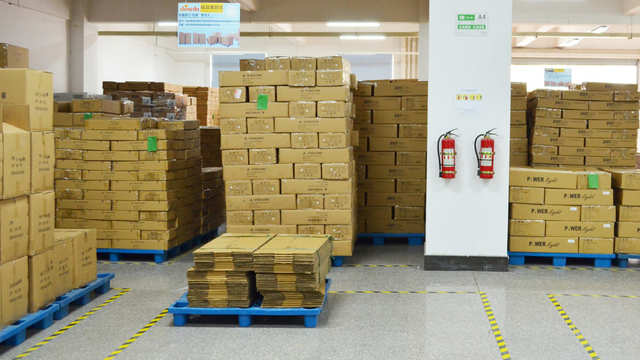
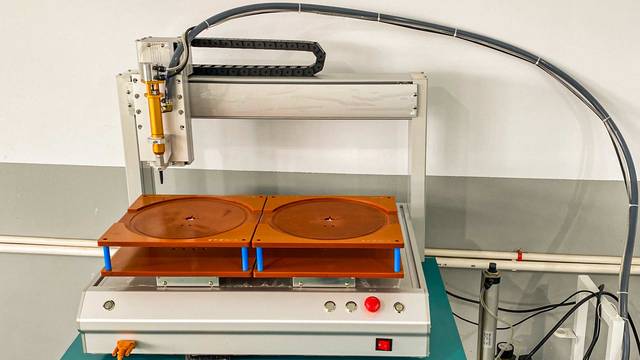
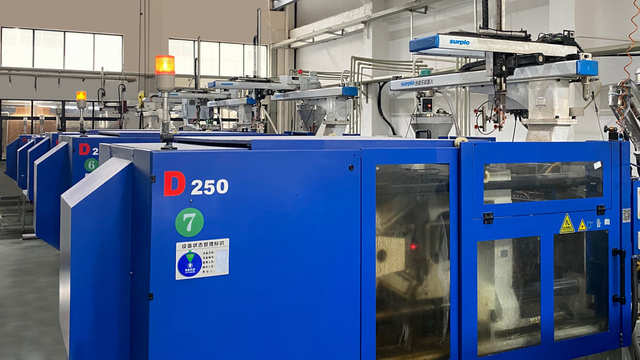
Backed by advanced production facilities and a skilled engineering team, the company is committed to strict quality control and continuous innovation. All products are manufactured in compliance with international standards, ensuring durability and reliability in various environmental conditions.
In addition to standard product lines, Ningbo GKE Power Co., Ltd. provides flexible OEM and ODM services, enabling customers to customize lighting solutions based on specific project requirements. Guided by the vision of promoting green energy and smart lighting, GKE Power continues to support global infrastructure development with cost-effective and environmentally friendly solar lighting solutions.
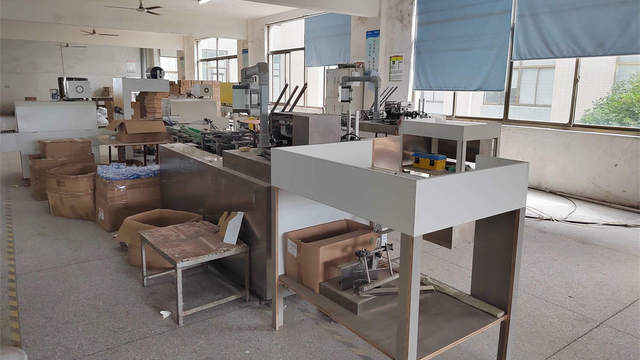
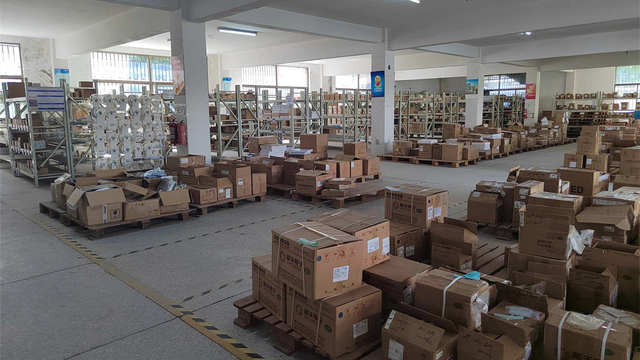


Universal catalog specifications do not apply to all geographic locales. Extreme environments require targeted adjustments to solar spotlight designs to maintain reliable, year-round operation.
High humidity and salt-laden air damage standard metal surfaces. The solution is marine-grade anodized aluminum (6063-T5) or high-grade polycarbonate housing treated with anti-UV coatings. GKE Power utilizes specialized stainless steel fasteners (SUS316) to prevent galvanic corrosion.
In locations with limited winter sunlight, such as Northern Europe or Canada, standard panels may struggle to charge. To counter this, developers tilt the solar panels at angles of 45° to 60° to prevent snow build-up and maximize low-angle winter sunlight. In addition, the battery management system (BMS) incorporates low-temperature charging protection to prevent lithium plating.
In hot climates like the Middle East, solar panels can experience efficiency drops due to heat, and dust build-up can block sunlight. GKE Power addresses this by using solar modules with a low temperature coefficient and anti-soiling, hydrophobic glass coatings. This ensures dust slides off easily, maintaining optimal light transmission.
Expert technical insights to clarify common queries in commercial solar lighting installations.
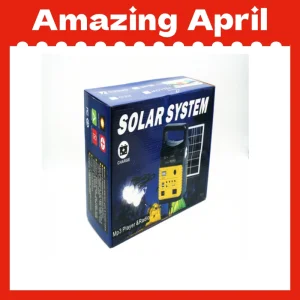
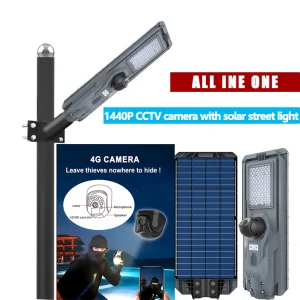
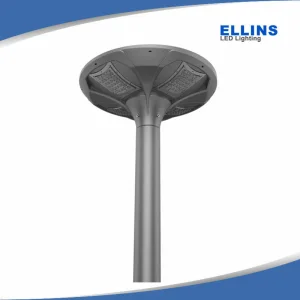
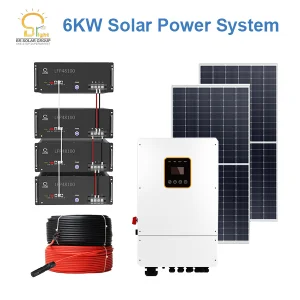
Explore our technical range, featuring integrated smart systems, CCTV integrations, and portable power kits.
 GKE Power