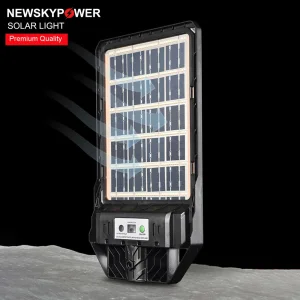
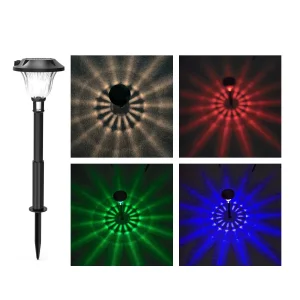
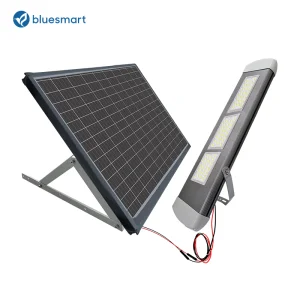
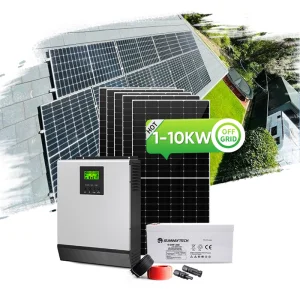
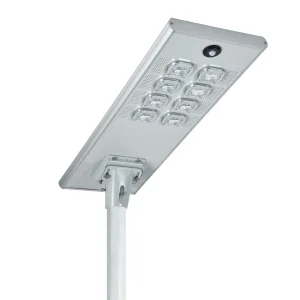
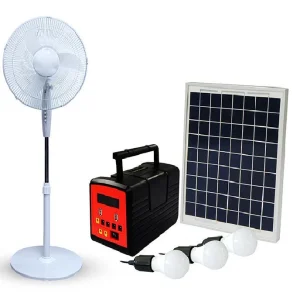
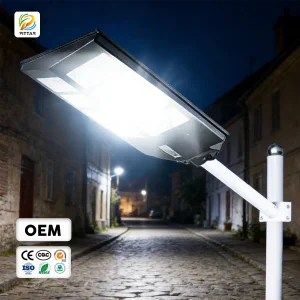
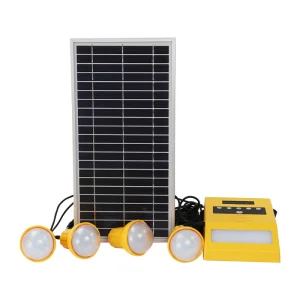
Explore our top-performing CE certified solar stationary lights and outdoor illumination systems designed for high-efficiency and longevity.
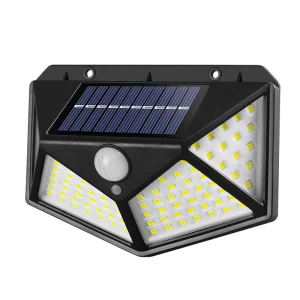
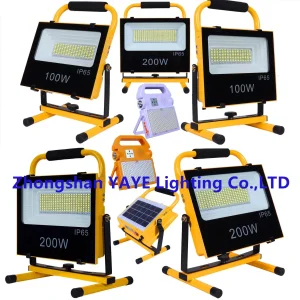
Ningbo GKE Power Co., Ltd. is a professional Solar Street Light Manufacturer and a trusted supplier of solar wall and pathway lighting solutions, dedicated to delivering efficient and sustainable outdoor lighting systems worldwide. With a strong focus on renewable energy technology, the company integrates design, research and development, and manufacturing to provide reliable solar lighting products for diverse applications.
GKE Power offers a comprehensive range of outdoor solar lighting solutions, including solar street lights, solar wall lights, and solar pathway lights, widely used in urban roads, residential communities, parks, campuses, and rural electrification projects. Its products are designed with high-efficiency solar panels, long-lasting lithium batteries, and intelligent control systems to ensure stable performance, energy savings, and low maintenance costs.
Backed by advanced production facilities and a skilled engineering team, the company is committed to strict quality control and continuous innovation. All products are manufactured in compliance with international standards, ensuring durability and reliability in various environmental conditions.
In addition to standard product lines, Ningbo GKE Power Co., Ltd. provides flexible OEM and ODM services, enabling customers to customize lighting solutions based on specific project requirements. Guided by the vision of promoting green energy and smart lighting, GKE Power continues to support global infrastructure development with cost-effective and environmentally friendly solar lighting solutions.
Solar Stationary Lights (SSLs) represent a crucial turning point in municipal, commercial, and residential infrastructure illumination. Unlike temporary, mobile solar systems, stationary installations are permanently anchored platforms designed for long-term (10 to 25 years) operational lifespans. As the global demand for carbon neutrality increases, municipal and private actors are phasing out grid-dependent lighting. SSLs integrate high-conversion photovoltaic (PV) modules, smart energy storage systems (typically LiFePO4 chemistry), and high-luminous efficacy light-emitting diode (LED) arrays into structural poles or surface mounts. GKE Power acts as a primary fabricator and supplier, ensuring that every deployment utilizes premium, industrial-grade components designed to withstand severe weather, marine salinity, and intense UV exposure.
How GKE Power integrates next-generation PV, battery, and controller technologies to maximize energy harvest and operational lifespan.
The core efficiency of a solar stationary light is dictated by the harmonic integration of three major subsystems: Photovoltaic Conversion, Electrochemical Energy Storage, and Intelligent Load Management. GKE Power's R&D division focuses on refining the performance coefficient of each node within this energy loop.
We utilize grade-A monocrystalline silicon solar cells with conversion efficiencies exceeding 22.5%. Anti-reflective coating and high-transmission tempered glass ensure maximum light capture even in overcast conditions.
We integrate Lithium Iron Phosphate (LiFePO4) batteries with a DOD (Depth of Discharge) of 90% and more than 3,000 thermal cycles at 80% capacity, incorporating smart Battery Management Systems (BMS).
Our proprietary Maximum Power Point Tracking (MPPT) algorithms deliver dynamic impedance matching. This increases charging efficiency by 15-30% compared to traditional PWM systems in low-light environments.
A major differentiation of GKE Power's solar stationary luminaires is our advanced optical engineering. Instead of standard symetric scattering, our fixtures utilize multi-lens arrays designed to output IESNA Type II, Type III, and Type IV light distributions. This redirects the flux strictly onto the traffic lanes or sidewalks, eliminating light pollution (sky glow) and reducing lateral spill. By focusing light where it is mathematically required, we can specify lower-wattage LED engines to achieve the target lux values, thus saving precious battery storage capacity and extending the system’s autonomy during prolonged storm periods (often engineered for 3 to 5 continuous rainy days of backup).
The future of stationary solar lights lies in automated monitoring. GKE Power’s high-end commercial models feature optional wireless control nodes. These systems transmit real-time telemetry (battery voltage, solar panel charging current, LED temperature, and fault alerts) directly to a centralized utility dashboard. Municipalities can implement dynamic dimming schedules based on time, pedestrian activity (via motion sensors), or seasonal ambient light shifts, reducing operation and maintenance costs by up to 80% through predictive scheduling.
How solar stationary lights support international ESG criteria, green building certificates, and carbon credit framework requirements.
The commercial and industrial (C&I) sectors are experiencing pressure from institutional investors and governmental mandates to decarbonize physical plants and logistical pathways. Outdoor stationary lighting—often running 12 hours a day, 365 days a year—represents a major source of carbon emissions and operational cost. Transitioning to self-powered solar installations allows enterprise operations to bypass the capital expenditure of grid cabling, trenching, permitting, and grid-connection delays.
According to current market metrics, the global solar lighting market is expanding at a CAGR of over 15%, with the industrial stationary light sector leading this growth. Developers of warehouses, deep-water ports, and retail centers are integrating solar path and street lights directly into the design phases of greenfield projects to secure points in certifications like LEED (Leadership in Energy and Environmental Design) and BREEAM.
GKE Power’s catalog of CE certified lights facilitates compliance with these rigorous sustainability framework structures. Our products utilize materials that conform to RoHS (Restriction of Hazardous Substances) directives, avoiding heavy metals such as cadmium and lead, which are often found in low-grade alternative lighting components.
Deploying solar stationary lights requires careful tailoring to specific regional and environmental microclimates.
A single off-the-shelf design cannot succeed across the diverse climate zones of our global market. GKE Power engineers custom solutions optimized for the unique challenges of specific geographic regions:
In regions such as Scandinavia, Northern Canada, and parts of Ukraine, sub-zero temperatures severely degrade lithium battery capacity. We implement automated internal battery thermal heating mats within the casing. These mats utilize excess solar energy generated during the day to heat the battery compartment above 0°C, ensuring optimal charging efficiency and protecting the cell structure from freezing damage.
Coastal perimeter installations, docks, and beachside promenades subject aluminum fixtures to intense galvanic and salt-spray corrosion. GKE Power manufactures its stationary light enclosures using marine-grade anodized aluminum (6063-T6) combined with C5-I anti-corrosion rated powder coating. All external hardware components are composed of SS316 stainless steel to prevent rust and structural degradation.
High temperatures and dust accumulation present significant challenges in places like the Middle East and parts of Australia. High heat causes standard solar panels to degrade in efficiency, and dust blocks sunlight. GKE Power utilizes specialized high-temperature PV backsheets and provides self-cleaning solar panel tilts (angled at >15 degrees) that naturally shed dust and sand accumulation during rain or wind.
By customizing our product configurations to these specific regional profiles, GKE Power ensures our solar installations continue to perform optimally in even the harshest environments. This specialized approach guarantees long-term reliability and maximizes the return on investment for our international partners.
Strategically based in Ningbo, China, GKE Power leverages advanced logistics and lean manufacturing to deliver cost-effective solar solutions worldwide.
The stability of the global supply chain has become a paramount concern for distributors, project contractors, and municipal buyers. Located in Ningbo, China—home to one of the world's busiest container ports—GKE Power leverages a robust logistics network and proximity to raw material markets to ensure consistent product availability and rapid delivery timelines.
Our manufacturing facility integrates lean production methodologies, minimizing waste and optimizing operational efficiency at every stage of the assembly process. Our state-of-the-art production lines feature:
This localized supply chain integration allows GKE Power to maintain shorter lead times, quickly adapt to customized OEM/ODM requirements, and deliver highly reliable, CE certified solar lighting solutions at a lower total cost of ownership.
Rigorous international testing and on-the-ground support frameworks ensure smooth project execution and long-term security.
Securing project approval from municipal authorities or corporate compliance officers requires reliable documentation and proof of performance. GKE Power’s stationary solar lights are fully certified to meet the standards of major international testing bodies, facilitating smooth integration into global infrastructure projects.
Our products conform to European Union safety, health, and environmental protection requirements (LVD 2014/35/EU and EMC 2014/30/EU directives).
Tested and certified to withstand high-pressure water jets and temporary submersion, preventing dust and moisture ingress in extreme environments.
Engineered with rugged casings and polycarbonate lenses to resist physical vandalism and impacts in public spaces.
To support our global network of distributors and installers, GKE Power provides comprehensive technical documentation, including IES file outputs for Dialux lighting simulations, wind-resistance calculations for pole installations, and detailed wiring diagrams. We offer direct engineering support, helping partners customize fixture configurations and programming schedules to meet the exact regulatory demands of their local jurisdictions.
Answers to critical questions asked by engineers, municipal planners, and procurement directors.
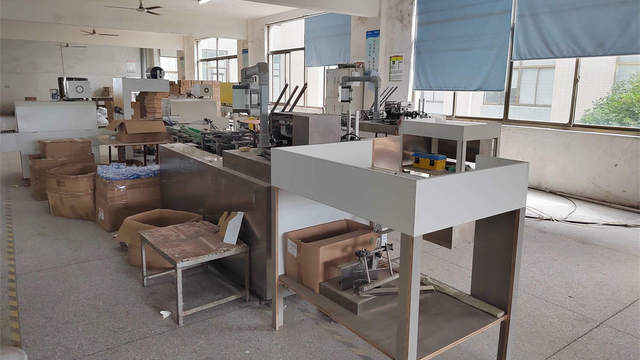
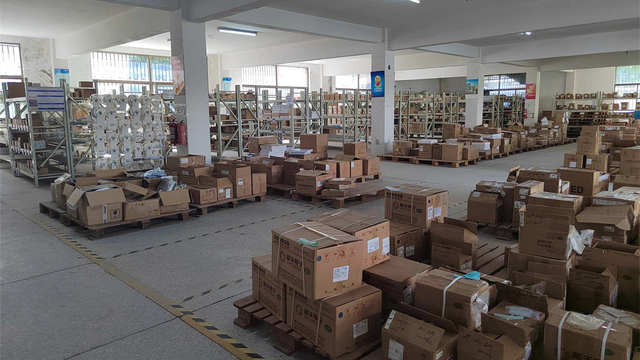
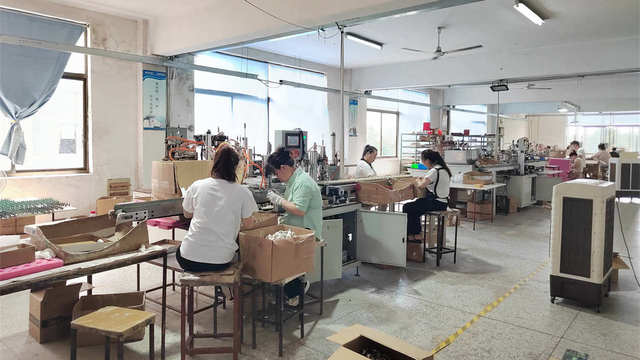
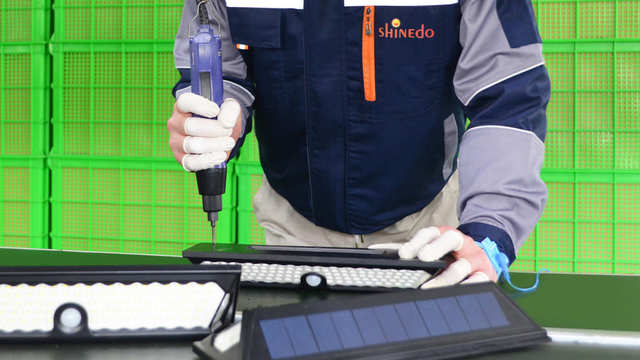
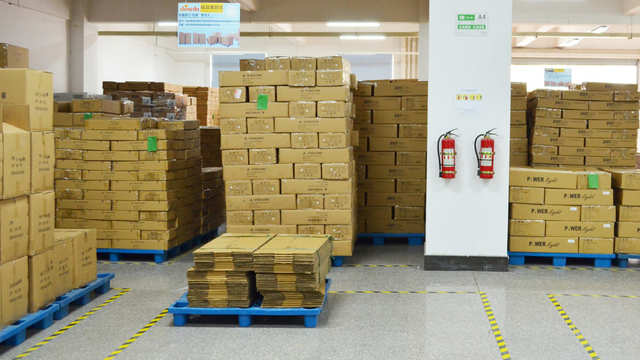
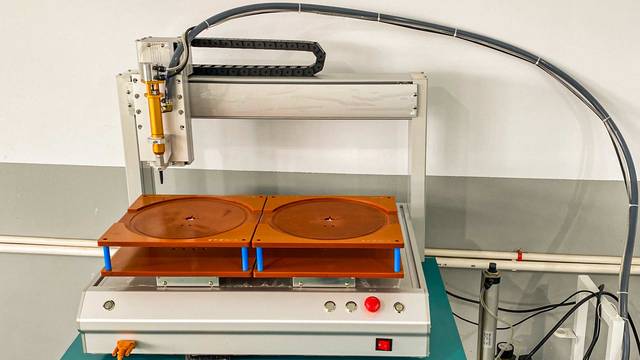
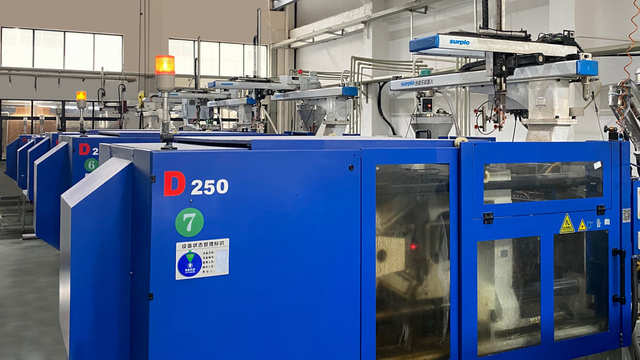
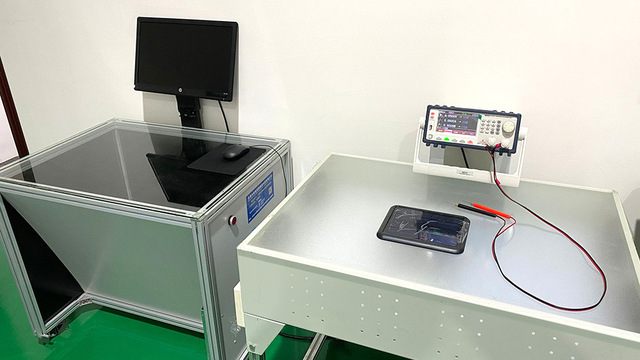
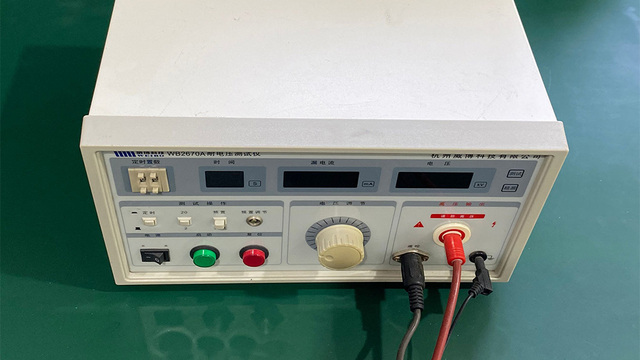
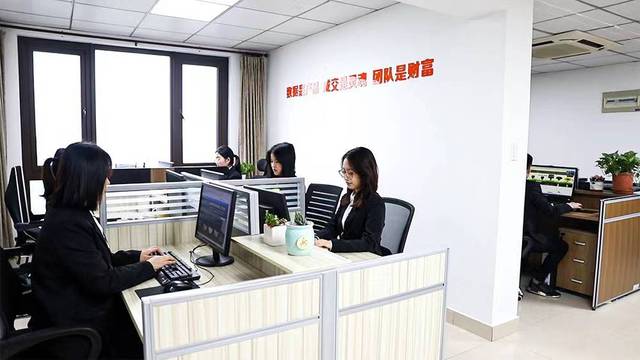
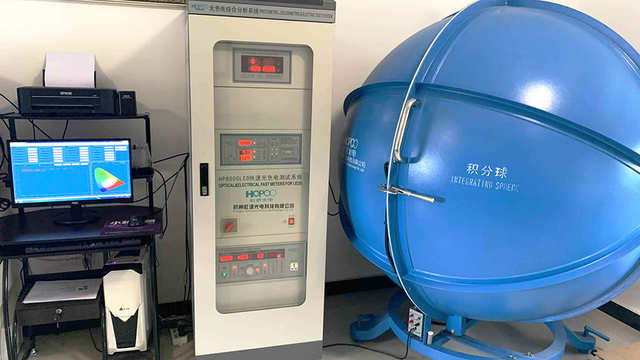
A look inside our advanced manufacturing facility, assembly areas, and quality control systems in Ningbo, China.

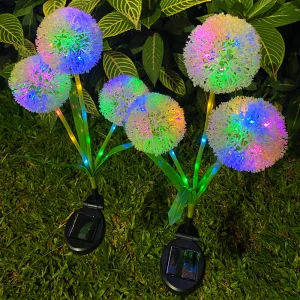
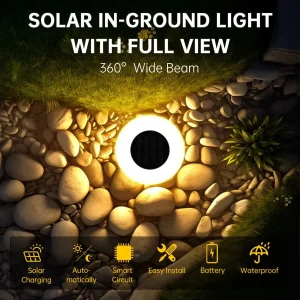
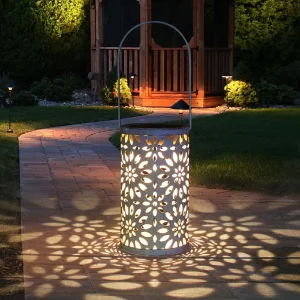
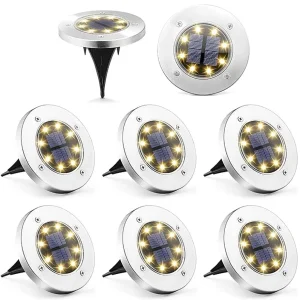
Explore our specialty and decorative solar lighting fixtures designed to enhance commercial landscaping and home garden aesthetics.

 GKE Power