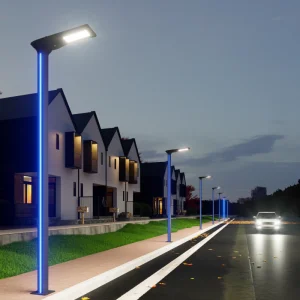
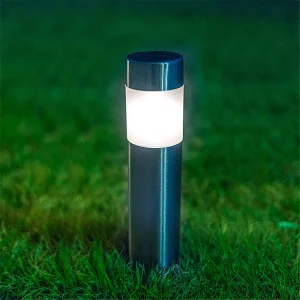
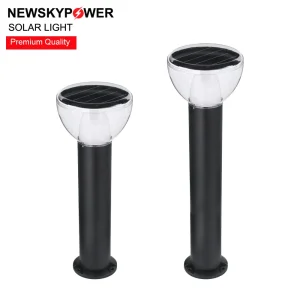
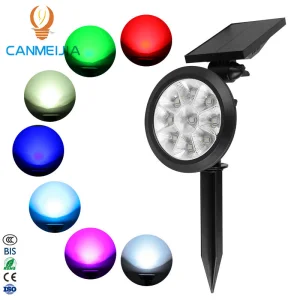
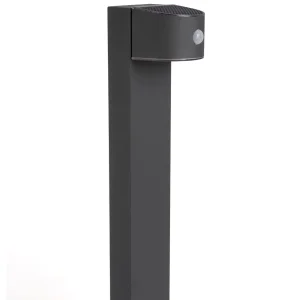
Explore our leading commercial-grade architectural bollard lighting systems optimized for public infrastructure, commercial zones, and urban pedestrian pathways.
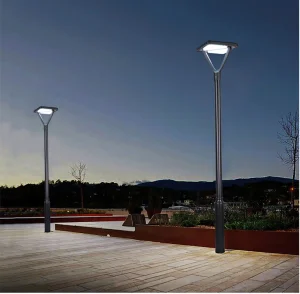
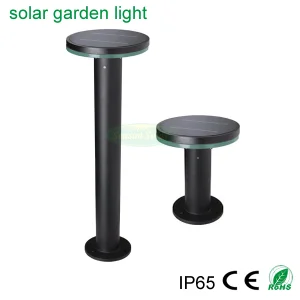
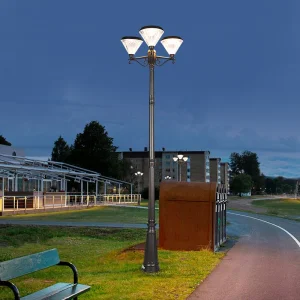
Gitarama (Muhanga District), situated at the logistics and transit heart of Rwanda, serves as a vital arterial hub linking the capital city, Kigali, to the western and southern provinces. As urban redevelopment, commercial expansion, and regional modernization gain momentum, the local demand for reliable public and residential infrastructure has scaled dramatically. A primary obstacle to sustainable progress is the local grid's instability, marked by frequent load-shedding and limited sub-station reach in outer areas.
Consequently, transitioning municipal pathways, secondary highways, eco-resorts, and public administrative centers to solar-powered lighting systems has moved from a green option to an operational necessity. Solar bollard lighting offers a decentralized infrastructure model that requires no electrical trenching, avoids wiring disturbances to developed streets, and functions independently during power outages.
Given the tropical climate of Muhanga District, marked by intense equatorial sun exposure punctuated by heavy seasonal downpours, lighting products must satisfy severe performance conditions. The equipment must tolerate high UV levels, resist humidity-driven corrosion, and maintain lighting through extended cloudy cycles.
| Environmental Factor | Operating Challenge | Solar Bollard Specification Required |
|---|---|---|
| Heavy Wet Season Rain | Water ingress, internal rusting | IP65/IP66 Grade, Anodized Al Alloy / PC Diffusers |
| Persistent Cloud Cover | System depletion and dark nights | Smart MPPT controllers with dimming configurations |
| Equatorial Sunlight Levels | Battery heat decay | LiFePO4 Chemistry with Battery Management (BMS) |
| Logistical Transit Lines | High delivery costs to Gitarama | Integrated structural designs maximizing box-volume usage |
How the alignment of environmental metrics, architectural design, and sensor technology is redefining solar-powered illumination on a global scale.
Globally, urban planners are adopting strict carbon neutrality guidelines. Municipal development programs prioritize zero-carbon architectural fittings to meet ESG obligations. Solar bollard lights offer a direct pathway to carbon savings, avoiding the energy costs of standard grid connections while providing public space safety.
Additionally, modern landscape design demands clean architectural lines. Designers want low-profile fixtures that integrate into parks and corporate walkways without visual clutter. Modern solar bollards combine solar panels, lithium storage, and programmable controllers within a single post, eliminating external wires and remote battery cabinets.
China remains the center of high-efficiency solar lighting manufacturing. Cities like Ningbo host integrated industrial ecosystems that supply monocrystalline solar cells, long-lifecycle lithium batteries, and die-cast aluminum enclosures from local networks. This regional integration enables local factories to manage quality, speed up R&D cycles, and control costs.
Ningbo GKE Power Co., Ltd. leverages this manufacturing ecosystem. We integrate product development, engineering, and manufacturing to deliver reliable solar lighting products. Our production capability is supported by strict quality controls and automated machinery, ensuring compliance with international certifications including CE, RoHS, and IP66 waterproof standards.
By keeping battery pack configuration, SMT driver board assembly, and environmental chambers in-house, Ningbo GKE Power provides flexible OEM and ODM services. Whether adjusting height profiles, scaling lumen output, or modifying color temperature (CCT) systems, we can tailor equipment to specific projects in Gitarama or global markets.
Engineered for urban revitalization, rural electrification, and regional hospitality projects across Rwanda.
Within Muhanga District's developing urban areas, solar bollards provide path lighting for pedestrians and cyclists. By eliminating underground trenching, public projects can complete lighting installations in days instead of weeks, minimizing traffic disruption and municipal capital spend.
Rwanda's eco-tourism sector depends on preserving natural environments. Solar bollard lights line resort paths and eco-lodges with zero noise pollution and low visual impact. Warm CCT options (3000K) illuminate paths while respecting local wildlife and the night sky.
Campuses and local medical clinics require reliable, 24/7 exterior lighting. Solar bollard installations ensure key pathways and entrance areas remain illuminated during grid failures, supporting public safety and emergency access.
Real estate developers in Gitarama integrate solar bollards into private residential paths, parking lots, and garden landscapes. This addition reduces long-term common-area utility costs, protects property values during power outages, and improves localized security.
Modern solar bollard lights rely on key component advances to improve efficiency and reliability:
Old polycrystalline panels convert only 14-16% of light into power. Modern bollards use monocrystalline cells that achieve up to 22% conversion efficiency. These panels perform better under low light and indirect cloud cover, which is critical during Gitarama's wet seasons.
Older lead-acid and Ni-MH batteries degrade quickly under high heat. Lithium Iron Phosphate (LiFePO4) technology offers 3,000+ charge cycles at 80% depth of discharge. They tolerate ambient heat without degradation, giving them a working life of over 8 to 10 years.
Maximum Power Point Tracking (MPPT) microcontrollers continuously monitor panel voltage and output current. They convert excess voltage into charging current, boosting charging efficiency by 20% to 30% compared to standard PWM controllers. This capability helps keep systems operational through consecutive rain days.
By defaulting to a low brightness state (e.g., 20% output) and scaling to 100% output only when motion is detected, solar bollards manage their energy budgets effectively. This smart balancing maintains night-long performance while ensuring bright lighting is available when needed.
When procurement managers buy solar bollards for high-volume public work or commercial infrastructure, they evaluate several technical metrics. A low unit price can indicate compromises in battery grades, controller protection, or metal thickness. Below is a checklist for evaluating solar lighting hardware:
| Evaluation Parameter | High-Quality Spec (Ningbo GKE Grade) | Low-Quality Indicator | Impact on Project Operation |
|---|---|---|---|
| Battery Chemistry | Brand-new Grade A LiFePO4 with active BMS | Recycled Li-ion / Lead-Acid cells | Short lifetime, reduced capacity in warm weather |
| Enclosure Material | Die-cast aluminum, anodized + powder coat | Thin recycled sheet metal or low-grade plastics | Rusting, degradation, and structural failure |
| Controller Tech | Programmable Smart MPPT with IP67 protection | Basic PWM, analog driver circuits | Poor conversion, failure during heavy rainfall |
| LED Chip Efficiency | High Lumen Chips (>170 lm/W) | Standard chips (<100 lm/W) | Dim lighting, high power draw |
| Warranty Terms | 3 to 5 years comprehensive warranty | 1 year limited or no warranty support | High maintenance costs, replacement liability |
Talk to our application engineering team today. We provide dialux calculations, custom drawings, and detailed pricing to match your project specifications.
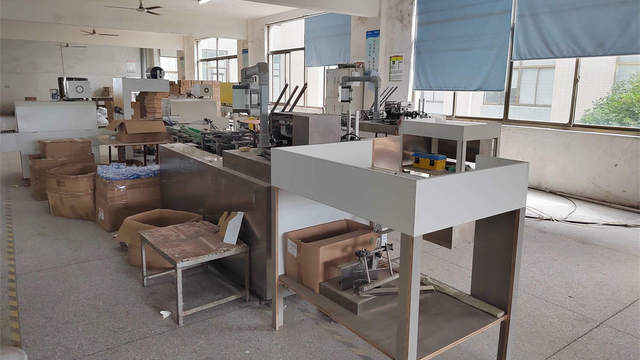
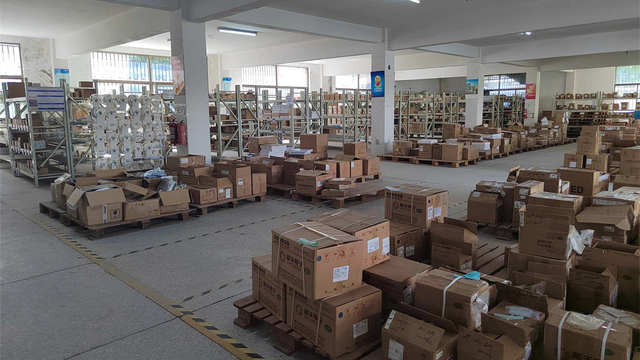
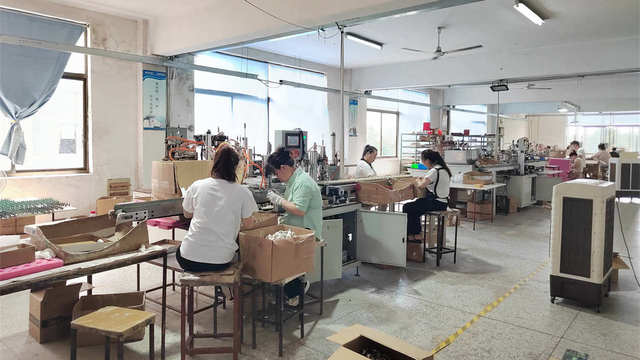
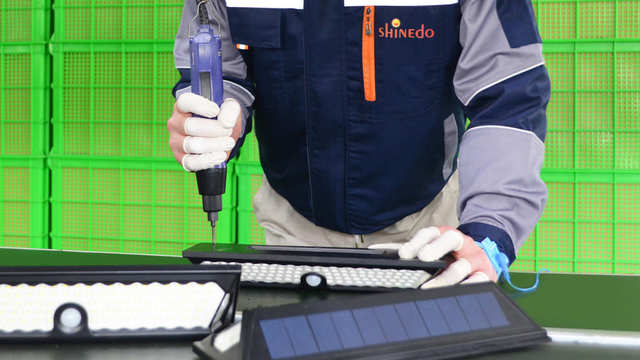
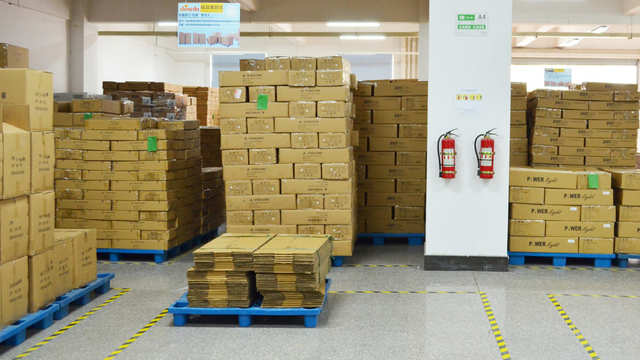
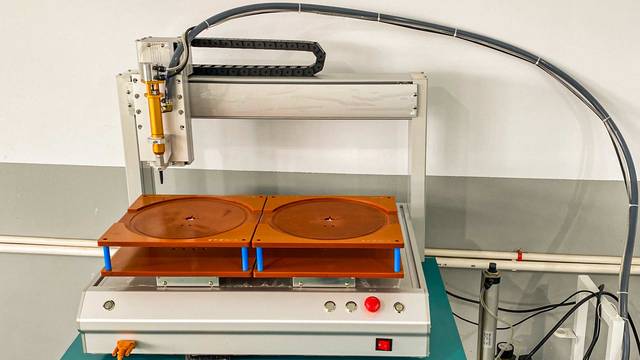
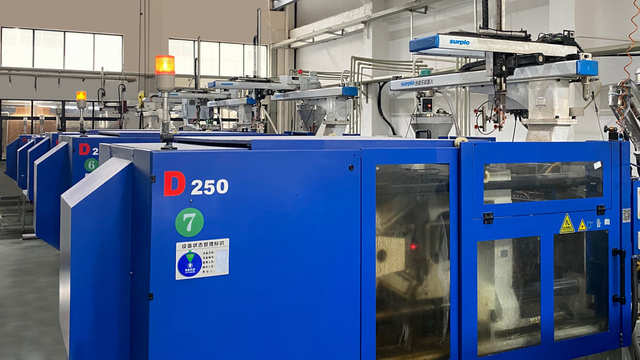
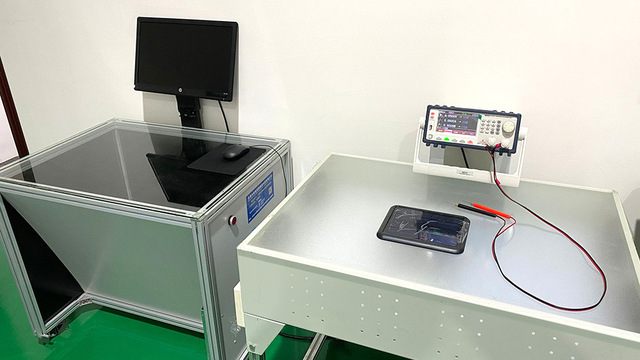
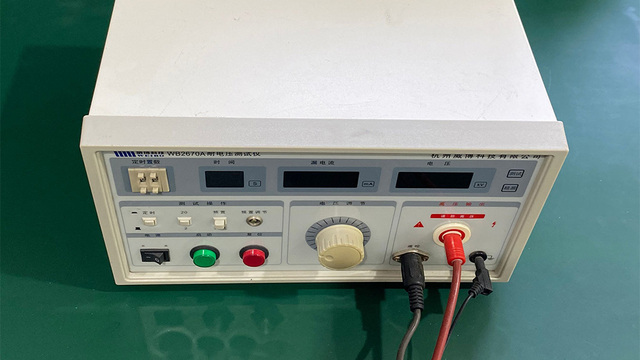
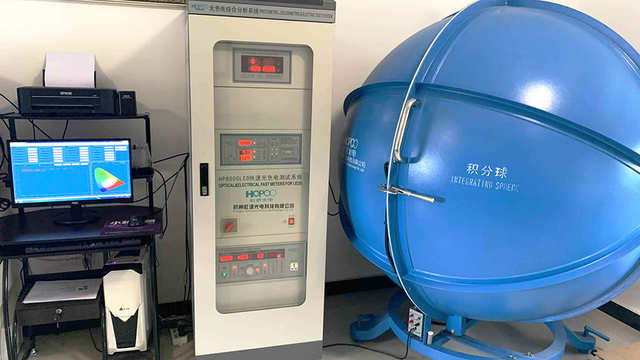
Send Inquiry NowOur integrated manufacturing facilities combine structural design, engineering R&D, assembly, and automated testing lines.


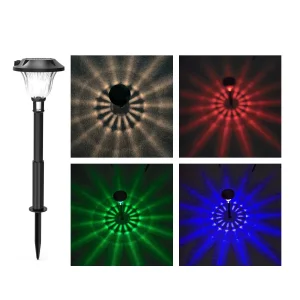
Browse our catalog of pathway, lawn, and security solar lights. Contact us for custom configurations and volume pricing.
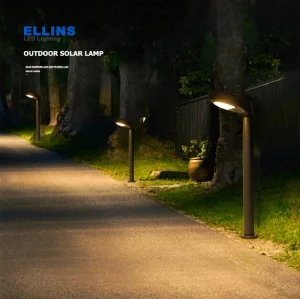
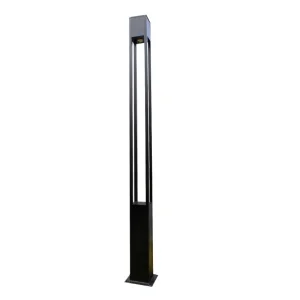
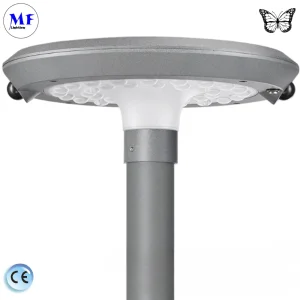
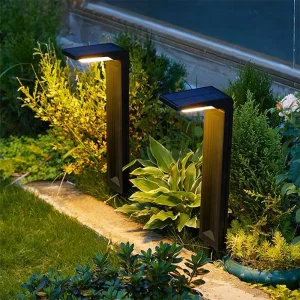
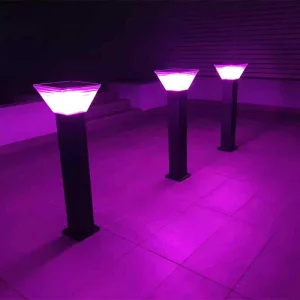
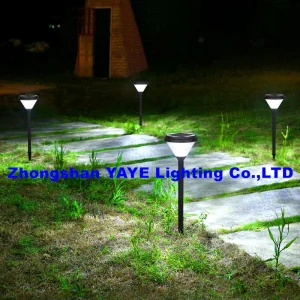
Find technical details on our solar bollard configurations, shipping, and project applications.
Our solar bollard lights use Lithium Iron Phosphate (LiFePO4) batteries. Unlike standard Lithium-Ion or Lead-Acid cells, LiFePO4 maintains safety and capacity at high temperatures (up to 60°C). These batteries deliver 3,000+ charge cycles at 80% depth of discharge, which equals 8 to 10 years of typical operation.
We use high-efficiency MPPT controllers and intelligent power management profiles. If battery voltage drops during periods of cloud cover, the controller scales down the standby light output (e.g., from 30% to 15%) and relies on motion sensors for full illumination. This power balancing provides up to 3 to 5 nights of illumination on a single full charge.
We use die-cast aluminum alloys treated with an anodized pre-treatment and a thermosetting powder coating. This finish resists weathering and keeps salt spray and moisture from corroding the metal, making the lights suitable for humid climates.
Yes. Ningbo GKE Power provides OEM and ODM services. We can customize physical dimensions, height, lumen output, LED color temperature, battery capacity, solar panel sizes, and incorporate municipal branding or custom powder-coat finishes.
Our architectural solar bollards feature internal mounting flanges bolted to concrete anchor plates. The mounting screws are recessed and require custom installation keys. The structural casing is made from heavy-gauge aluminum alloy, and the optical covers are made of impact-resistant polycarbonate (PC) or tempered glass.
All GKE Power solar bollards are manufactured in compliance with international standards. Our products hold CE, RoHS, IP65/IP66 ingress protection, and IK08/IK10 mechanical impact certificates, meeting the requirements of international bidding and municipal tenders.
 GKE Power