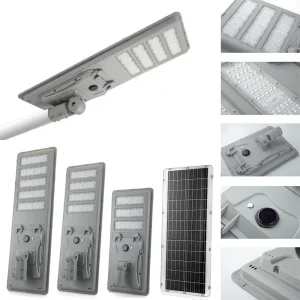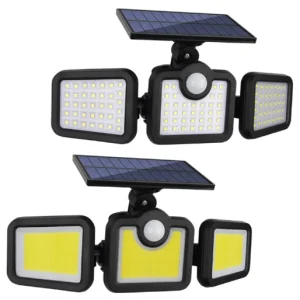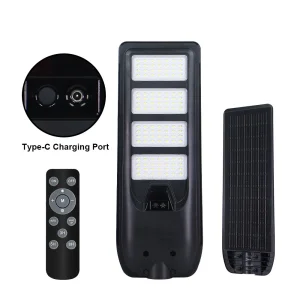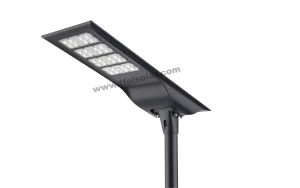
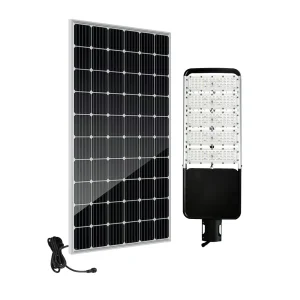
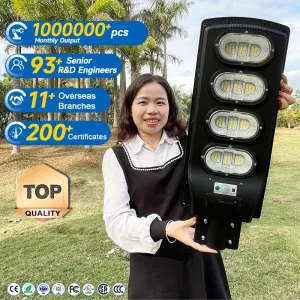
Canberra, as Australia’s administrative heart and the capital territory leading the nation's 100% renewable electricity target, demands cutting-edge urban infrastructure. The implementation of solar motion sensor lights is no longer just a trend for remote areas but a core component of municipal urban planning, residential developments, and commercial safety architecture.
Compared to traditional grid-connected high-pressure sodium (HPS) or baseline LED systems, smart motion-sensing solar luminaires offer immediate carbon offset, zero operating expenditure (OPEX) in energy billing, and swift deployment without the massive capital expenditure (CAPEX) required for trenching, cabling, and site remediation. This whitepaper analyzes how high-performance lighting technology coordinates with Canberra’s unique architectural layouts, seasonal cold extremes, and solar radiation profiles.
Complete independence from the electrical grid shields municipal and commercial entities from local distribution outages, lowering liability and improving security parameters in public spaces.
Utilizing PIR (Passive Infrared) or microwave radar sensors, luminaires auto-regulate output between 30% background illumination and 100% full-brightness upon detecting vehicular or pedestrian presence, extending battery autonomy by up to 4 days.
Designing and sourcing solar motion sensor lighting solutions for Canberra requires deep engineering scrutiny of three main components: PV conversion efficiency, battery cell chemistry, and motion intelligence. Below is the industrial-grade technical roadmap that Ningbo GKE Power Co., Ltd. incorporates into custom OEM and ODM configurations for the Australian Capital Territory (ACT).
| System Architecture Component | Standard Market Specification | Canberra Industrial Standard Spec (GKE Power Upgrade) | Operational Impact |
|---|---|---|---|
| Solar PV Cell Conversion | 17% - 19% Poly-Si Panels | ≥22.5% Monocrystalline N-Type Cells | Ensures full charge cycles even in overcast Canberra winters with low solar irradiance. |
| Battery Chemistry | Standard Lithium Ternary (NMC) | LiFePO4 (Grade A cells) with smart BMS heater | Extended lifecycle (>3,000 deep discharge cycles) and optimal performance at sub-zero temperatures. |
| Motion Sensing Module | Generic PIR Sensor (4-6m range) | Intelligent Microwave Radar Sensor (>12m range, 120° cone) | Detects fast-moving vehicles and cyclists ahead of time, ensuring early high-lux illumination. |
| Enclosure Protection | IP65 Plastic Casing | IP66/IP67 Die-cast Aluminum + Corrosion-resistant coating | Withstands extreme UV degradation index and severe frosts typical of the Canberra plateau. |
| Luminous Efficacy | 130 - 150 Lm/W | Up to 200 Lm/W (Bridgelux/Philips LED Chip options) | Reduces energy demand while providing brighter luminescent coverage. |
In Australia, public infrastructure and commercial outdoor illumination are bound by stringent safety, environmental, and engineering standards. Choosing a supplier that fully understands and builds to these codes is vital to prevent legal liabilities and premature device failure.
Ningbo GKE Power Co., Ltd. customizes its product outputs to satisfy the rigorous requirements of AS/NZS 1158 (Lighting for Roads and Public Spaces). This involves optimizing optical designs to minimize upward light waste and glare, keeping the local Canberra environment sky-friendly while ensuring safety on local avenues and walkways.
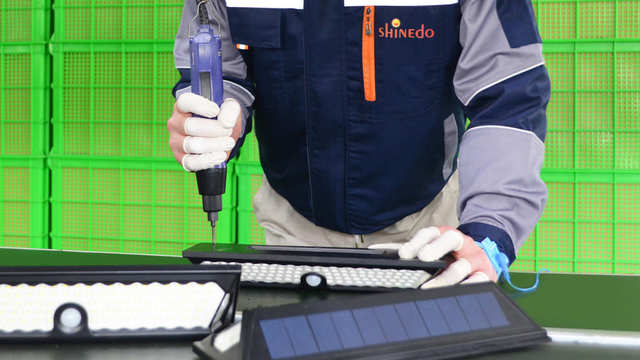
Ningbo GKE Power Co., Ltd. is a professional Solar Street Light Manufacturer and a trusted supplier of solar wall and pathway lighting solutions, dedicated to delivering efficient and sustainable outdoor lighting systems worldwide. With a strong focus on renewable energy technology, the company integrates design, research and development, and manufacturing to provide reliable solar lighting products for diverse applications.
GKE Power offers a comprehensive range of outdoor solar lighting solutions, including solar street lights, solar wall lights, and solar pathway lights, widely used in urban roads, residential communities, parks, campuses, and rural electrification projects. Its products are designed with high-efficiency solar panels, long-lasting lithium batteries, and intelligent control systems to ensure stable performance, energy savings, and low maintenance costs.
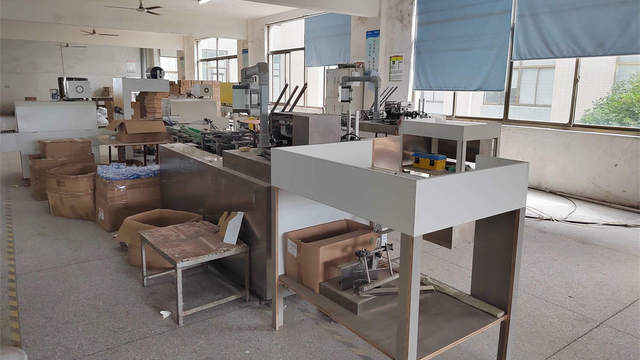
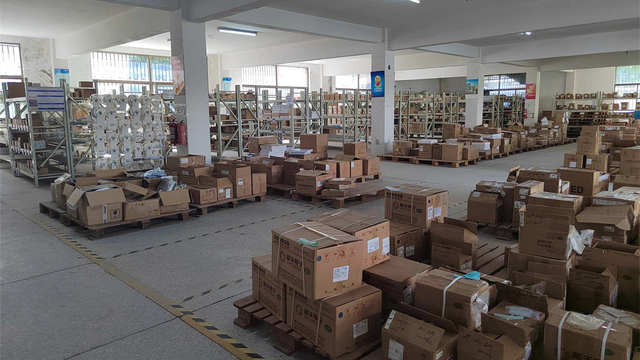
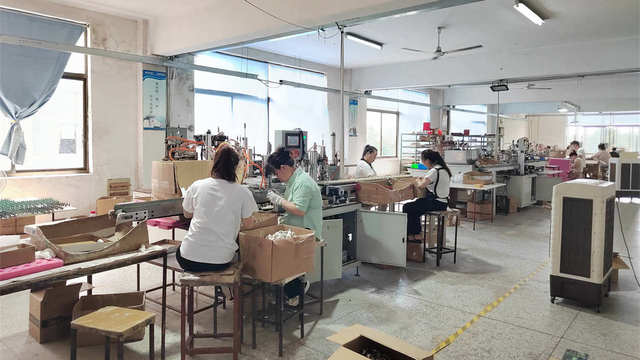
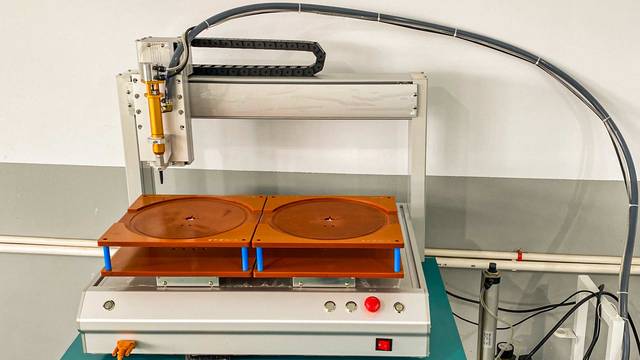
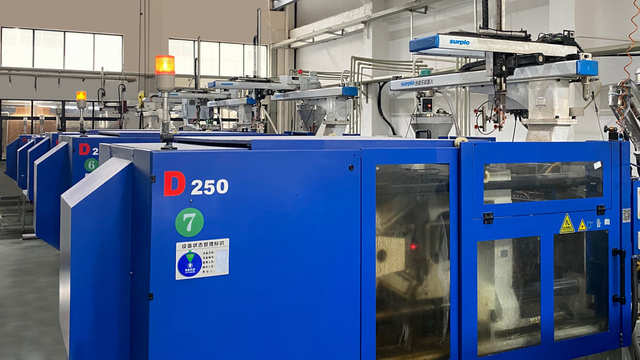
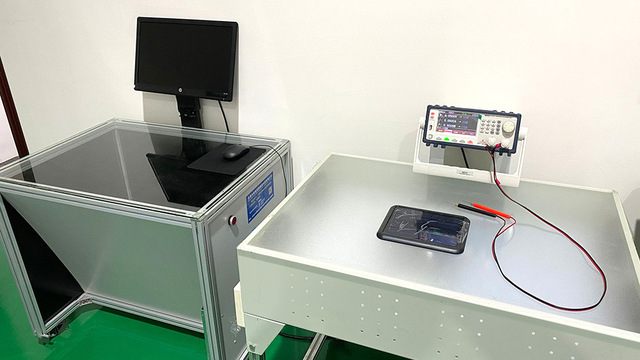
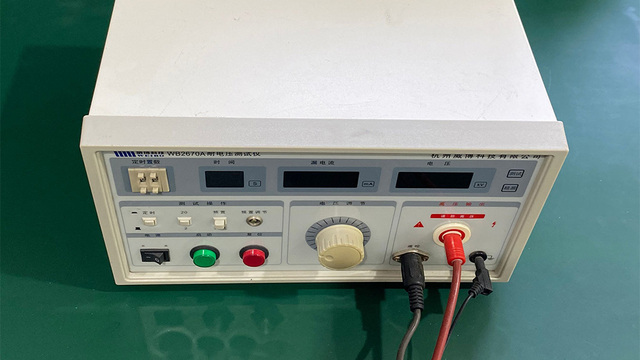
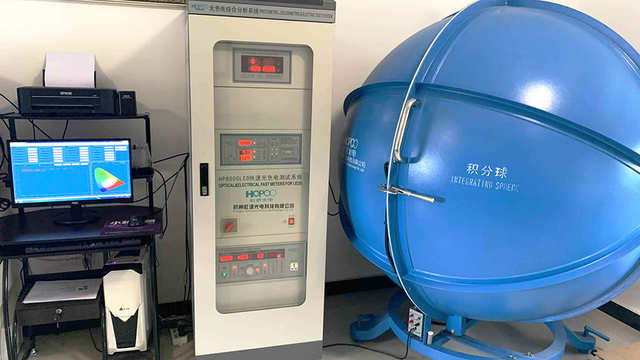
Backed by advanced production facilities and a skilled engineering team, the company is committed to strict quality control and continuous innovation. All products are manufactured in compliance with international standards, ensuring durability and reliability in various environmental conditions.
In addition to standard product lines, Ningbo GKE Power Co., Ltd. provides flexible OEM and ODM services, enabling customers to customize lighting solutions based on specific project requirements. Guided by the vision of promoting green energy and smart lighting, GKE Power continues to support global infrastructure development with cost-effective and environmentally friendly solar lighting solutions.


While high-quality solar units have a higher initial purchase price than simple grid-tied lamps, they completely eliminate utility connection fees, cabling design overheads, and monthly electricity billing. The typical payback period in Canberra ranges between 1.8 to 2.4 years.
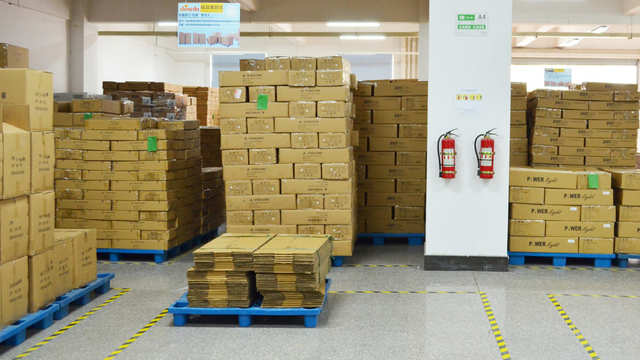
Leveraging Ningbo's deep-water port proximity, GKE Power coordinates sea shipping routes directly to Melbourne or Sydney ports, followed by fast overland rail transit to Canberra, ensuring reliable supply chain planning.
We customize branding, enclosure colors, pole-mount bracket designs, motion sensor parameters, dimming schedules, and battery protection boards to align with specific commercial bids or government tenders.
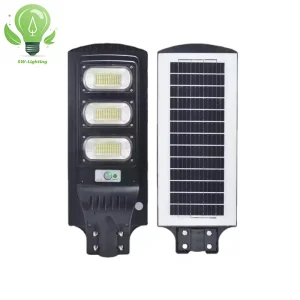
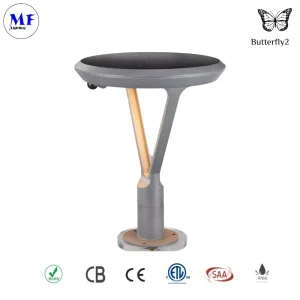
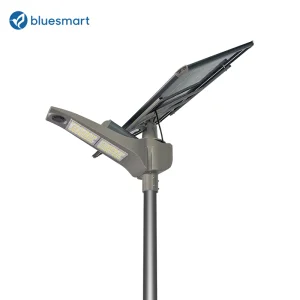
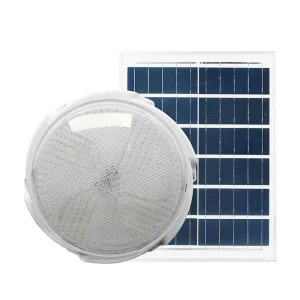
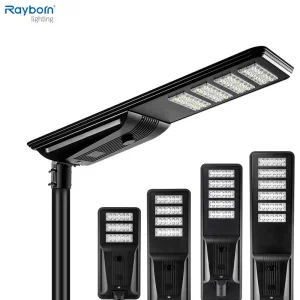
 GKE Power